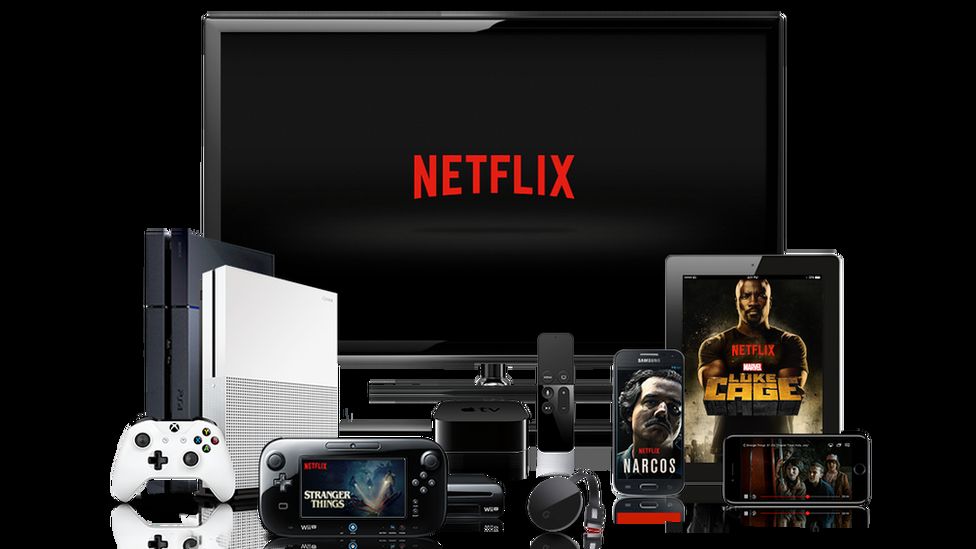
Netflix: From DVD Rentals to Streaming Supremacy

seaflog.com – In the early 2000s, the concept of renting DVDs online seemed like a niche idea, far removed from the video rental giants of the time, such as Blockbuster. Yet, this was the foundation upon which Netflix was built, a company that would eventually revolutionize the way we consume media. The journey from a DVD rental service to becoming the streaming giant it is today is a testament to the power of innovation, adaptation, and foresight.

The DVD Rental Beginnings

Netflix was founded in 1997 by Reed Hastings and Marc Randolph. The initial idea was to create a service that would allow people to rent DVDs by mail, bypassing the need to visit a physical store. This was a novel concept at the time, as DVDs were just beginning to replace VHS tapes, and the internet was not yet widely used for commerce. Netflix’s model was simple yet revolutionary: subscribers would choose DVDs from an online catalog, and the discs would be sent to them via postal mail. Once watched, customers would return the DVDs in prepaid envelopes, and the next selection from their queue would be sent out.

The Transition to Streaming

The turning point for Netflix came with the rise of broadband internet. Recognizing the potential of streaming media, Netflix began offering a streaming service in 2007, initially as an add-on to its DVD rental business. This was a bold move, as it required significant investment in technology and licensing agreements with content providers. However, it proved to be a pivotal decision that would set Netflix on the path to dominance in the streaming market.

Streaming Supremacy

As the decade progressed, Netflix’s streaming service grew exponentially, both in terms of subscribers and the volume of content available. The company invested heavily in original programming, producing hit series such as “House of Cards,” “Orange Is the New Black,” and “Stranger Things,” which not only attracted viewers but also garnered critical acclaim and awards.

Netflix’s strategy of global expansion and its focus on personalization and recommendation algorithms further cemented its position as a leader in the streaming industry. By understanding and catering to the viewing habits of its subscribers, Netflix was able to create a highly engaging and personalized viewing experience.

Challenges and the Future

Despite its success, Netflix faces significant challenges. The streaming market has become increasingly crowded, with major players like Amazon Prime Video, Disney+, HBO Max, and Apple TV+ competing for viewers’ attention and subscription dollars. The cost of producing original content continues to rise, and the company must navigate the complex landscape of international markets and regulations.

Looking ahead, Netflix’s future will likely involve further innovation in content creation, distribution, and technology. The company has already begun exploring interactive content and virtual reality experiences, hinting at the potential for new forms of entertainment that could keep it at the forefront of the industry.

Conclusion

Netflix’s journey from a DVD rental service to becoming the streaming giant it is today is a remarkable story of innovation and adaptation. By anticipating and embracing the changing landscape of media consumption, Netflix has not only survived but thrived, setting new standards for the industry. As the streaming wars continue to heat up, Netflix’s ability to evolve and meet the demands of its global audience will be key to maintaining its position at the top.

Love on Demand: Discover the convenience of dating

seaflog.com – In the digital age, the quest for love has taken a revolutionary turn with the advent of dating apps. These platforms promise to bring together hearts with just a swipe or a tap, offering a buffet of potential partners at our fingertips. The convenience of finding love on demand has reshaped the dating landscape, yet it also introduces a myriad of complexities that users must navigate. This article delves into the dual-edged sword of dating apps, exploring their convenience and the intricate challenges they present.

The Convenience of Dating Apps

Dating apps have democratized the search for love, making it more accessible than ever before. They offer a convenient solution for those with busy lifestyles, providing a platform to meet potential partners without the need to step out of the house. The ability to filter matches based on specific criteria such as age, location, interests, and more, streamlines the process, allowing users to find someone who aligns with their preferences.

Moreover, dating apps break down geographical barriers, connecting individuals across cities, countries, and even continents. This global reach opens up the possibility of forming connections that would have been improbable in the pre-digital era. The anonymity and safety features offered by these apps also encourage people to express themselves more freely, potentially leading to deeper and more authentic connections.

The Complexity of Dating Apps

Despite their convenience, dating apps introduce a new set of complexities that can impact the dating experience. One of the most significant challenges is the commodification of potential partners. The endless swiping can reduce individuals to mere profiles, leading to a superficial assessment based on looks and a few lines of text. This can detract from the depth and nuances of human connection, making genuine relationships harder to forge.

Another complexity is the paradox of choice. With an overwhelming number of options, users may find themselves in a state of analysis paralysis, constantly wondering if there’s someone better just a swipe away. This can lead to a lack of commitment and a cycle of dissatisfaction, as the grass always seems greener on the other side of the screen.

Dating apps also pose challenges in terms of mental health. The relentless pursuit of validation through matches and messages can exacerbate feelings of loneliness and inadequacy. Rejection, which is an inherent part of dating, can feel more acute in the digital realm, where it often comes in the form of silence or a left swipe.

Finding Balance in the Digital Dating World

To navigate the complexities of dating apps, it’s crucial to approach them with a balanced perspective. Users should be mindful of their intentions and the potential impact of these apps on their mental health. Setting boundaries, such as limiting the time spent swiping or taking breaks when needed, can help maintain a healthy relationship with dating apps.

Moreover, it’s important to remember that dating apps are simply tools to meet people. They are not a panacea for loneliness or a substitute for real-life interactions. Building genuine connections requires effort beyond the screen, including meeting in person and investing time in getting to know someone.

Conclusion

Love on demand, as promised by dating apps, offers unparalleled convenience in the quest for companionship. However, it also introduces complexities that can challenge the authenticity and depth of human connections. By approaching these apps with awareness and balance, users can harness their potential to meet new people while also safeguarding their emotional well-being. In the end, whether through digital means or serendipitous encounters, the essence of love remains a complex and beautiful journey worth embarking on.