Bahaya Konten Deepfake: Ancaman Nyata di Era Informasi Digital

seaflog.com – Jakarta, 20 Mei 2025 – Teknologi terus berkembang pesat, dan konten deepfake makin menjadi momok yang meresahkan masyarakat. Deepfake menggunakan teknologi manipulasi video dan audio untuk membuat konten palsu yang terlihat sangat nyata. Teknologi ini memudahkan orang menyebarkan hoaks dan informasi menyesatkan yang sulit dibedakan dari kenyataan.

Apa Itu Deepfake?

Deepfake medusa88 berasal dari gabungan kata “deep learning” dan “fake”. Teknologi ini memanfaatkan kecerdasan buatan (AI) untuk membuat gambar, suara, atau video palsu yang tampak asli. Dengan teknologi ini, seseorang bisa menyalin wajah dan suaranya, lalu memasukkannya ke video atau audio lain, sehingga menciptakan situasi yang sebenarnya tidak pernah terjadi.

Dampak Negatif Deepfake di Masyarakat

Konten deepfake menimbulkan berbagai masalah serius, seperti:

  • Merusak reputasi pribadi maupun publik lewat video palsu yang menyebar cepat di media sosial.

  • Memicu konflik sosial dan politik karena manipulasi berita dan opini.

  • Mengancam keamanan digital dengan potensi penipuan dan pemerasan.

  • Membingungkan masyarakat dalam membedakan fakta dan fiksi, sehingga kepercayaan pada media dan informasi menurun.

Contoh Kasus Deepfake yang Viral

Tokoh penting seperti pejabat negara, selebriti, dan tokoh masyarakat kerap menjadi sasaran konten deepfake. Video-video palsu ini menyebar luas dan sempat menimbulkan kegaduhan sebelum akhirnya publik mengetahui bahwa video tersebut rekayasa teknologi.

Tips Waspada dan Menghindari Hoaks Deepfake

Masyarakat perlu bersikap kritis dan hati-hati saat menerima informasi digital. Berikut beberapa langkah yang bisa kamu lakukan:

  • Periksa sumber informasi sebelum mempercayai atau membagikan konten.

  • Gunakan alat verifikasi video dan foto yang tersedia secara online.

  • Waspadai konten yang terlalu sensasional atau emosional.

  • Laporkan konten mencurigakan ke platform media sosial atau otoritas terkait.

Peran Pemerintah dan Platform Digital

Pemerintah Indonesia dan platform media sosial aktif meningkatkan literasi digital dan memperkuat regulasi untuk mengurangi penyebaran konten deepfake dan hoaks. Mereka juga menjalankan program edukasi masyarakat dan mengembangkan teknologi deteksi otomatis sebagai langkah penting menghadapi tantangan ini.

Teknologi deepfake menghadirkan kemajuan sekaligus risiko besar di dunia digital. Kesadaran dan kewaspadaan masyarakat menjadi kunci utama untuk mengurangi dampak negatifnya. Dengan langkah tepat, kita bisa menjaga ekosistem informasi yang sehat dan terpercaya di Indonesia.

Akita & Shiba Inu: Anjing Setia dengan Sejuta Pesona dari Negeri Sakura

Jepang tidak hanya dikenal karena budaya dan teknologinya, tetapi juga karena dua ras anjing yang berhasil mencuri hati pecinta hewan di seluruh dunia: Akita Inu dan Shiba Inu. Keduanya berasal dari Negeri Sakura dan membawa karakter khas yang membuat mereka lebih dari sekadar hewan peliharaan—mereka adalah simbol kesetiaan dan kebanggaan nasional.

Akita Inu: Sang Penjaga Tenang yang Penuh Loyalitas

Akita Inu terkenal sebagai anjing yang pendiam, tenang, dan sangat setia. Banyak orang mengenalnya lewat kisah legendaris Hachiko, anjing Akita situs medusa88  yang setia menunggu majikannya pulang setiap hari, bahkan setelah sang pemilik meninggal. Akita tidak menunjukkan kasih sayangnya secara berlebihan, tetapi ia selalu siaga melindungi orang yang ia cintai. Dengan tubuh besar dan kekuatan fisik yang tangguh, Akita sangat cocok sebagai anjing penjaga rumah yang kalem namun siaga.

Shiba Inu: Si Kecil Lincah yang Penuh Karakter

Shiba Inu mungkin lebih kecil dari Akita, tapi jangan remehkan energinya. Shiba selalu tampil penuh semangat, ceria, dan mandiri. Ia suka bermain, menjelajah, dan punya rasa ingin tahu yang tinggi. Meskipun keras kepala, Shiba sangat pintar dan bisa menjadi sahabat setia bagi pemilik yang memahami kebutuhannya. Ekspresi wajah Shiba yang unik—seolah tersenyum—membuatnya menjadi bintang di dunia maya.

Pesona dari Negeri Sakura

Akita dan Shiba Inu sama-sama mencerminkan nilai budaya Jepang: ketenangan, kesetiaan, dan kehormatan. Mereka tidak hanya memikat karena penampilan, tetapi juga karena karakter kuat yang menyentuh hati. Jika kamu mencari anjing yang lebih dari sekadar hewan peliharaan, Akita dan Shiba siap menjadi bagian keluarga yang tak tergantikan.

Panduan Memberi Makan Kucing Anggora agar Sehat dan Aktif

Kucing Anggora dikenal karena keanggunan dan bulu panjangnya yang memesona. Namun, untuk menjaga keindahan dan kesehatannya, kamu harus memberikan makanan yang tepat setiap hari. Dengan nutrisi yang seimbang, kucing Anggora bisa tumbuh aktif, ceria, dan memiliki bulu yang tetap berkilau.

Langkah pertama, kamu harus memilih makanan berkualitas tinggi yang mengandung protein hewani sebagai bahan utama. Daging ayam, ikan salmon, atau daging sapi sangat cocok untuk memenuhi kebutuhan protein mereka. Hindari makanan yang mengandung terlalu banyak filler seperti jagung atau gandum, karena itu hanya menambah kalori tanpa manfaat gizi berarti.

Selain protein, kamu juga perlu memastikan kucingmu mendapatkan lemak sehat dan vitamin esensial. Omega-3 dan Omega-6 membantu menjaga bulu tetap halus dan kulit tetap sehat. Kamu bisa memilih makanan kering (dry food) yang diformulasikan khusus untuk kucing berbulu panjang atau mencampurnya dengan makanan basah (wet food) untuk variasi rasa dan hidrasi ekstra.

Jangan lupa menyediakan air bersih sepanjang hari. Kucing Anggora cenderung kurang minum air, jadi penting untuk memastikan mereka tetap terhidrasi, terutama jika kamu memberinya dry food.

Untuk anak kucing Anggora (kitten), kamu harus memberikan makanan khusus kitten yang lebih tinggi kalori dan nutrisi untuk mendukung pertumbuhan mereka. Sedangkan untuk Anggora dewasa, atur porsi makan agar mereka tidak mengalami obesitas.

Terakhir, kamu bisa memberikan camilan sehat sesekali sebagai reward, tapi tetap batasi jumlahnya agar tidak mengganggu asupan makanan utama sweet bonanza 1000.

Dengan pola makan yang seimbang dan perawatan rutin, kamu bisa memastikan kucing Anggoramu tetap sehat, aktif, dan memukau siapa saja yang melihatnya!

Anteater: Nature’s Insect-Hunting Specialist

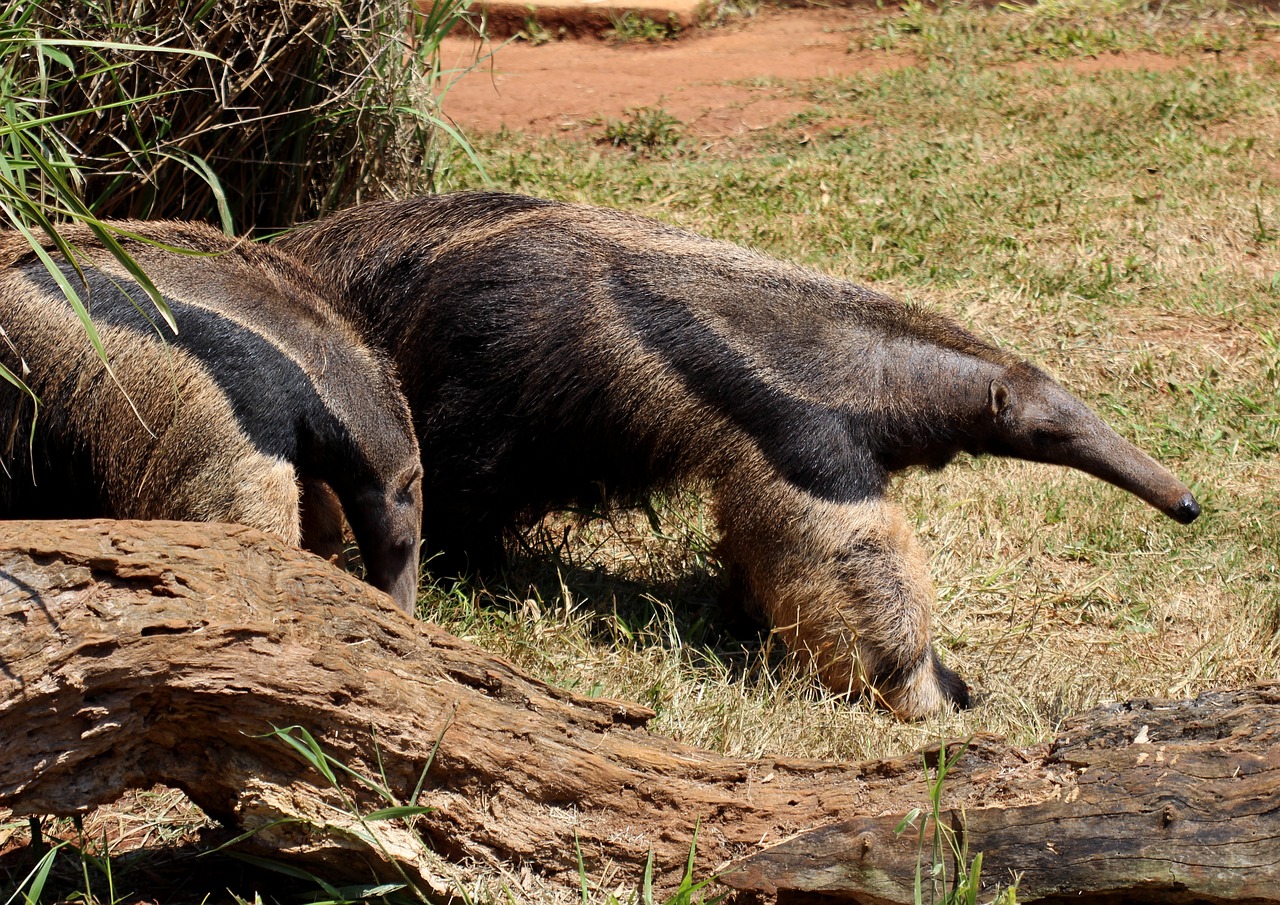
seaflog.com – The anteater, a unique mammal known for its long snout and specialized tongue, is one of nature’s most fascinating insectivores. With its name clearly derived from its diet, the anteater has adapted to a lifestyle centered around consuming ants and termites. Native to Central and South America, anteaters are easily recognizable by their elongated snouts and bushy tails. There are four species of anteaters, each with its own distinct characteristics, but all share a remarkable ability to forage for insects in challenging environments.

Physical Characteristics and Feeding Adaptations

Anteaters are equipped with several physical features that make them expert insect hunters. Their most notable feature is their elongated snout, which houses a long, sticky tongue that can reach lengths of up to two feet in some species. This tongue, which can flick in and out of the snout at an impressive rate, is covered in sticky saliva, allowing the anteater to capture ants and termites with ease.

Unlike many mammals, anteaters lack teeth. Instead, they rely on their strong forelimbs and sharp claws to tear open termite mounds and ant nests. Once the insects are exposed, the anteater uses its specialized tongue to gather its prey. In a single feeding session, a giant anteater can consume tens of thousands of insects.

Species and Distribution

There are four species of anteaters, each adapted to different environments within Central and South America:

  1. Giant Anteater (Myrmecophaga tridactyla): The largest of the species, the giant anteater can grow up to seven feet in length, including its tail. It is known for its long, bushy tail and distinctive black-and-white markings. Found in a variety of habitats, from grasslands to forests, the giant anteater is the most terrestrial of the anteater species.
  2. Silky Anteater (Cyclopes didactylus): The smallest of the species, the silky anteater is a tree-dweller and is primarily nocturnal. It has a soft, silky coat of fur and spends much of its time in the forest canopy, where it feeds on ants and other small insects.
  3. Northern Tamandua (Tamandua mexicana) and Southern Tamandua (Tamandua tetradactyla): These medium-sized anteaters are semi-arboreal, meaning they split their time between the trees and the ground. They have prehensile tails, which they use for balance and gripping branches while foraging in trees.

Behavior and Habitat

Anteaters are solitary animals that spend much of their time searching for food. They are primarily nocturnal or crepuscular (active during dawn and dusk), though some species, like the giant anteater, may be active during the day. Anteaters have a keen sense of smell, which they use to locate insect colonies.

Each species of anteater is adapted to a different habitat. The giant anteater, for example, prefers savannas and grasslands, where it can cover large distances in search of food. The silky anteater, on the other hand, thrives in dense forests, where its small size and climbing abilities allow it to access insect nests in the treetops.

Despite their peaceful nature, anteaters are equipped with powerful claws that they use for self-defense. When threatened, an anteater will rear up on its hind legs and use its claws to fend off predators, including jaguars and pumas.

Reproduction and Lifespan

Anteaters have a relatively slow reproductive rate, with females typically giving birth to a single offspring after a gestation period of around six months. The young anteater, often called a pup, is carried on its mother’s back for the first few months of its life, camouflaging against her fur. Once it becomes more independent, the young anteater will begin to forage on its own but may stay with the mother for up to a year before venturing off to live on its own.

In the wild, anteaters can live up to 14 years, though they have been known to live longer in captivity under protected conditions.

Conservation Status

While some species of anteaters, like the silky anteater, are considered relatively stable in terms of population, others, such as the giant anteater, are facing threats due to habitat destruction and hunting. Deforestation and the expansion of agriculture into their natural habitats have led to a decline in their numbers. The giant anteater is listed as “Vulnerable” on the IUCN Red List, with conservation efforts focused on habitat preservation and protection from poaching.

Conclusion

Anteaters are remarkable creatures, perfectly adapted to a life of insectivory. Their unique physical characteristics, from their elongated snouts to their sticky tongues, make them specialized hunters in the ecosystems they inhabit. While some species face challenges due to environmental changes, the anteater’s role in controlling insect populations makes it an important part of its ecosystem. Conservation efforts will be crucial in ensuring that these fascinating animals continue to thrive in the wild for generations to come.

The Diet of Water Buffalo: Grazers of Wetlands & Grasslands

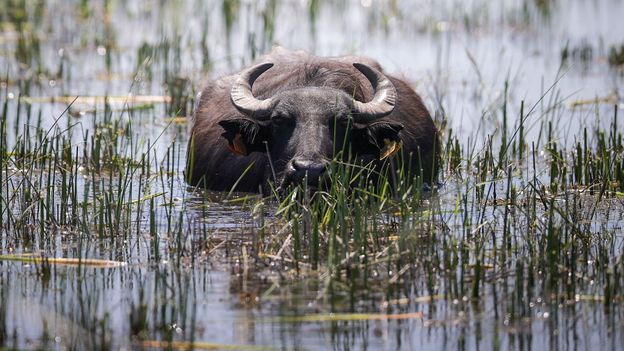
seaflog.com – Water buffalo (Bubalus bubalis) are large herbivorous mammals native to Southeast Asia and widely domesticated for agricultural and dairy purposes across the world. These animals are primarily grazers, but their diet is diverse and adapted to their wetland and grassland habitats. Whether wild or domesticated, water buffalo thrive in environments where water is abundant, and their feeding habits reflect the needs of their ecosystem. Let’s explore the various foods that make up the diet of water buffalo and how these animals contribute to the landscapes they inhabit.

1. Grasses: The Core of the Water Buffalo Diet

The majority of a water buffalo’s diet consists of grasses, which form the foundation of their nutrition. Water buffalo are well-adapted to grazing on a wide variety of grasses, including both short and tall species. They prefer moist, nutrient-rich grasses found in wetlands, marshes, and grasslands. These grasses provide them with essential carbohydrates and fiber, which are necessary to fuel their large bodies and maintain their energy levels.

Wild water buffalo are typically found in areas with abundant grassland, such as the floodplains of Southeast Asia, while domesticated buffalo are often kept in similar habitats, including rice paddies and pastureland. The high fiber content in grasses is crucial for their digestion and overall health.

2. Aquatic Plants: A Unique Feeding Preference

Water buffalo are closely associated with water and can often be seen wading through streams, ponds, and marshes. As semi-aquatic animals, they have access to a variety of aquatic plants, which make up an important part of their diet. These include water grasses, reeds, and water lilies. The aquatic plants offer not only nourishment but also essential minerals, particularly sodium, which is less abundant in terrestrial plants.

In wetland habitats, water buffalo graze on submerged vegetation and often submerge their heads completely to access water plants. This feeding behavior is beneficial in environments where dry land grazing is scarce or during periods when grasses are not as abundant.

3. Leaves and Shrubs: Browsing for Variety

While grasses and aquatic plants dominate their diet, water buffalo are also known to browse on shrubs, leaves, and young trees. They consume the leaves, twigs, and bark of various shrubs such as willows, acacia, and other softwood species. This browsing behavior provides variety to their diet, particularly during the dry season when grasses may become less plentiful.

Water buffalo are not strict grazers and will switch to browsing when necessary, especially in areas where other types of vegetation are more readily available. Their ability to adapt to different food sources helps them survive in a variety of environments, from wetlands to forested areas.

4. Rice and Agricultural Byproducts: A Domesticated Diet

Domesticated water buffalo are often kept in agricultural settings, where they may be fed supplemental foods to support their productivity. Rice straw, leftover grains, and other agricultural byproducts make up a significant portion of their diet. These animals are well-suited for grazing on crop residues, particularly in regions where rice farming is common.

In addition to rice straw, domesticated buffalo are sometimes fed silage, hay, and grain-based feed. This supplemental diet is particularly important for dairy buffalo or those raised for milk production, as it ensures they receive adequate nutrition for milk production and overall health.

5. Seasonal Diet Variation

The water buffalo’s diet shifts with the seasons, particularly in areas where access to food is influenced by rainfall patterns and temperature changes:

  • Rainy Season: During the wet season, when water levels are high and grasses are abundant, water buffalo can graze freely on fresh, lush vegetation. The abundance of water plants also provides them with plenty of food options.
  • Dry Season: In drier months, when grasses may be less abundant and water sources shrink, water buffalo rely more heavily on browsing shrubs and trees. In domesticated settings, supplemental feeding with hay, silage, or crop residues becomes essential during this time.

6. Salt Licks and Mineral Supplementation

Like many herbivores, water buffalo require access to minerals, particularly salt. In natural settings, they may seek out natural salt licks, or they might be provided with mineral supplements in domesticated environments. These minerals are vital for maintaining electrolyte balance, bone health, and overall physiological functions. Without adequate salt, water buffalo can suffer from mineral deficiencies, which can affect their health and productivity.

7. Water Needs

Water buffalo are known for their strong association with water bodies, and their hydration needs are high. They need access to fresh water to drink, and in the wild, they are frequently seen wading or submerging themselves in rivers, lakes, and ponds. Their consumption of aquatic plants also helps meet some of their water requirements.

In domesticated environments, it is important to provide a constant supply of clean water, especially for buffalo used for milk production or heavy labor, as they require a significant amount of water to stay hydrated.

8. Foraging Behavior and Grazing Patterns

Water buffalo are social grazers, often found in herds that graze together in open spaces. They are diurnal, feeding primarily during the early morning and late afternoon hours when temperatures are cooler. During the hotter parts of the day, water buffalo tend to rest in shaded areas or submerge themselves in water to stay cool.

In a herd, water buffalo often graze in a methodical manner, with each individual feeding on different plant species. This behavior helps minimize competition for food within the group and allows for more efficient use of available vegetation.

9. Digestive Adaptations

Water buffalo are ruminants, meaning they have a four-chambered stomach that allows them to efficiently digest fibrous plant material. Their digestive system is specially adapted to break down tough plant fibers, such as those found in grasses, aquatic plants, and woody vegetation. The process of regurgitating and re-chewing food, called rumination, helps water buffalo extract the maximum nutritional value from their food.

Their stomachs are populated with bacteria and microbes that aid in the fermentation and breakdown of fibrous plant matter, enabling them to thrive on a diet that would be difficult for many other animals to digest.

10. Contribution to Ecosystems

Water buffalo play an important role in maintaining the health of their ecosystems. In wetland areas, their grazing helps prevent the overgrowth of certain plant species, which can otherwise disrupt the balance of the ecosystem. Additionally, their feeding behavior helps maintain the structure of wetlands and grasslands, ensuring that these habitats remain viable for other species.

By grazing on grasses, shrubs, and aquatic plants, water buffalo help shape the landscapes in which they live, promoting biodiversity and maintaining open spaces that benefit both plants and animals.

Conclusion

Water buffalo are adaptable herbivores with a diverse diet that includes grasses, aquatic plants, shrubs, and agricultural byproducts. Their ability to thrive in wetland and grassland habitats, along with their seasonal diet shifts, allows them to survive in a wide range of environments. Whether in the wild or on farms, water buffalo play a crucial role in maintaining the health of ecosystems and supporting agricultural practices. Ensuring that they have access to a balanced diet, including fresh water, minerals, and appropriate vegetation, is essential for their well-being and productivity.


The Bowhead Whale: The Arctic’s Long-Lived Giant

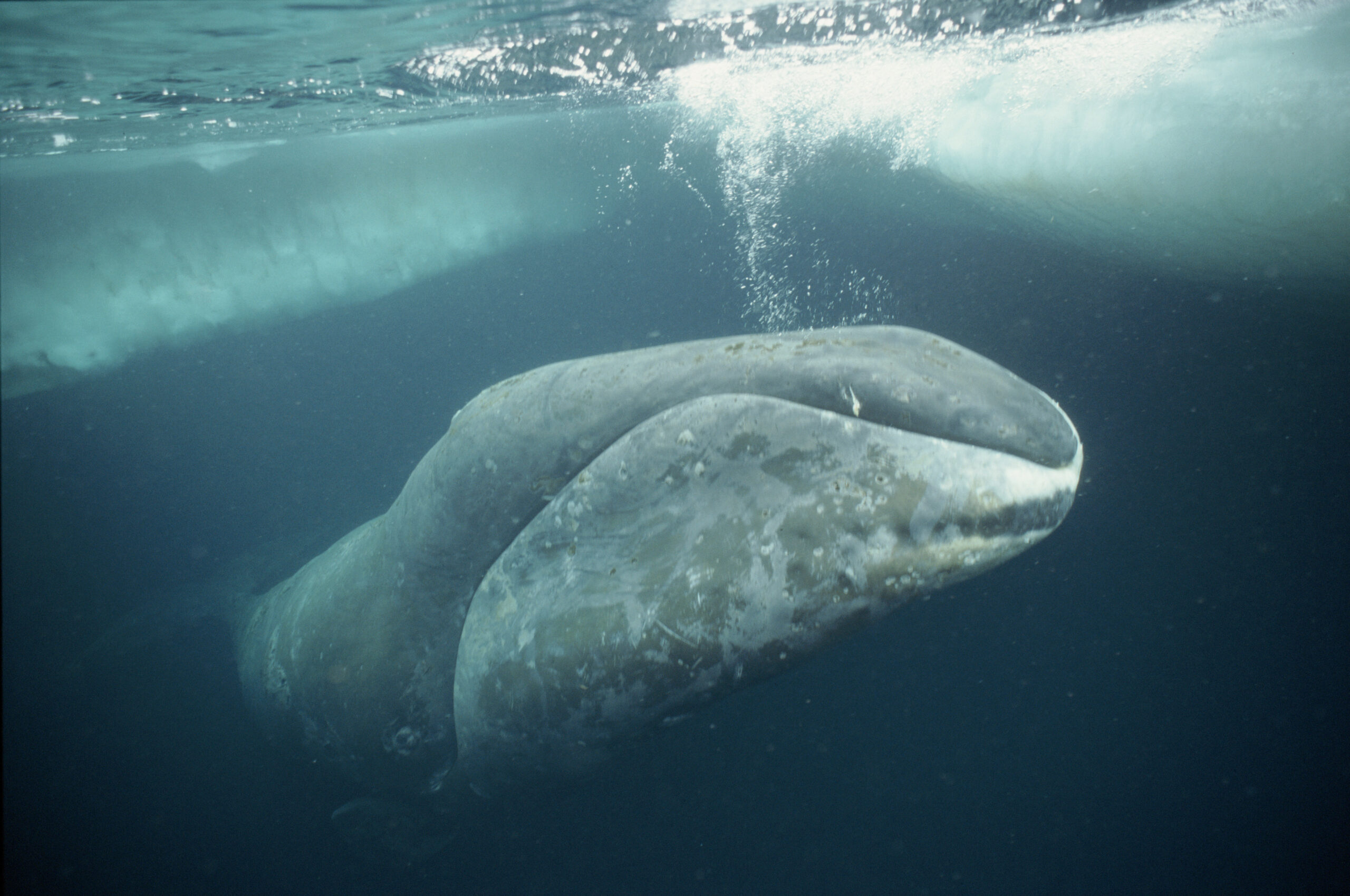
seaflog.com – The bowhead whale (Balaena mysticetus), a colossal and mysterious marine mammal, is one of the longest-living animals on Earth. Known for its remarkable longevity and thick skull, the bowhead thrives in the cold, icy waters of the Arctic. This unique species has captivated scientists and conservationists alike due to its extraordinary adaptations to extreme environments and its slow, majestic way of life.

Physical Characteristics

Bowhead whales are enormous creatures, reaching lengths of up to 60 feet and weighing between 75 and 100 tons. Their most distinctive feature is their massive, arched head, which makes up about one-third of their body length. This powerful head, along with a thick layer of blubber, allows bowheads to break through thick sea ice to breathe. They have the thickest blubber of any whale, which helps them survive the freezing Arctic temperatures.

Bowheads are baleen whales, meaning they filter feed by using baleen plates in their mouths to strain small organisms like plankton and krill from the water. Their baleen can reach up to 14 feet long, making it one of the longest in the animal kingdom.

Habitat and Range

Bowhead whales are uniquely adapted to the Arctic and sub-Arctic regions, where they are found year-round. Their range includes the Bering, Chukchi, Beaufort, and Greenland seas, as well as the waters around the Canadian Arctic Archipelago. Unlike many other whale species, bowheads do not migrate long distances but remain in their icy habitats, navigating through frozen waters and even breaking through ice as thick as 18 inches.

Diet and Feeding Behavior

Bowhead whales are filter feeders, primarily consuming zooplankton, including copepods, amphipods, and other tiny organisms. They are known to engage in a feeding technique called “skimming,” where they swim with their mouths open near the surface to capture large quantities of food. Bowheads feed primarily during the summer months when plankton blooms are abundant, storing energy to sustain them through the winter months when food is scarce.

Longevity and Reproduction

One of the most fascinating aspects of the bowhead whale is its extraordinary lifespan. Bowheads are known to live for more than 200 years, making them one of the longest-living mammals on the planet. Their slow aging process and delayed reproductive maturity—typically around 20 years of age—contribute to their longevity.

Female bowhead whales give birth to a single calf every three to four years after a gestation period of about 13 to 14 months. The calves are born in the spring, and the mothers nurse their young for several months, providing them with a thick layer of blubber to protect against the cold.

Conservation Status and Threats

Although bowhead whale populations are recovering, they are still listed as “Least Concern” by the International Union for Conservation of Nature (IUCN), with some subpopulations under threat. Historically, bowheads were heavily hunted for their blubber, baleen, and meat, especially during the 19th and early 20th centuries, when commercial whaling severely depleted their numbers. In some regions, populations were reduced by as much as 90%.

Today, bowheads face new challenges, including climate change, which is rapidly altering their Arctic habitat. Melting sea ice affects their feeding grounds, and the opening of the Arctic Ocean to shipping and oil exploration increases the risk of ship strikes, noise pollution, and oil spills. However, indigenous communities in Alaska and Canada continue to practice subsistence hunting of bowheads, a tradition that is carefully managed and regulated to ensure sustainability.

Cultural Significance

Bowhead whales hold great cultural importance for many indigenous Arctic peoples, particularly the Inupiat and Yupik communities in Alaska and the Inuit in Canada and Greenland. These communities have relied on bowhead whales for food, tools, and materials for centuries, and the whale remains central to their traditions, ceremonies, and ways of life. Indigenous hunting practices are deeply respectful of the animal, and hunts are conducted sustainably to ensure the species’ survival.

Conclusion

The bowhead whale is a symbol of resilience and adaptation in one of the harshest environments on Earth. With its incredible lifespan, unique adaptations to the icy Arctic, and vital role in the ecosystem, the bowhead continues to inspire awe and respect. While threats from climate change and human activity persist, ongoing conservation efforts, coupled with the sustainable practices of indigenous communities, offer hope for the future of this remarkable species.

The Majestic Manta Ray: Gentle Giants of the Ocean

seaflog.com – Manta rays, often referred to as “gentle giants,” are awe-inspiring creatures that inhabit the world’s oceans. These magnificent rays, belonging to the genus Mobula, are renowned for their large size, distinctive appearance, and graceful swimming style. With their wide wingspans and curious nature, manta rays captivate the hearts of divers, snorkelers, and marine enthusiasts alike.   

Physical Characteristics

Manta rays are easily recognizable by their diamond-shaped bodies and enormous wing-like pectoral fins. They possess two cephalic fins, often called “horns,” which they use to funnel plankton-rich water into their mouths. These gentle giants can grow to impressive sizes, with the largest species, the giant oceanic manta ray (Mobula birostris), reaching a wingspan of up to 23 feet (7 meters).   

Behavior and Ecology

Manta rays are filter feeders, primarily consuming plankton, including copepods and krill. They swim slowly through the water, opening their mouths wide to capture their prey. Their large brains and complex social behaviors make them fascinating subjects of study. Manta rays often engage in social activities, such as schooling and cleaning symbioses with smaller fish.   

These rays are highly migratory, traveling long distances between feeding and breeding grounds. They are known to inhabit both coastal and oceanic waters, from tropical to temperate regions. Their ability to navigate vast distances and return to specific locations highlights their remarkable intelligence and navigational skills.   

Conservation Status

Despite their majestic presence, manta rays face numerous threats, including accidental capture in fishing gear, habitat loss, and pollution. Many countries have implemented measures to protect these gentle giants, such as establishing marine protected areas and banning targeted fishing. However, more efforts are needed to ensure their long-term survival.   

The Importance of Manta Rays

Manta rays play a crucial role in marine ecosystems. As top predators, they help regulate lower trophic levels and contribute to the overall health of their habitats. Additionally, they are important indicators of ecosystem health, as their presence can signal a thriving marine environment.   

Diving and Snorkeling with Manta Rays

For divers and snorkelers, encountering a manta ray is an unforgettable experience. Many popular dive destinations offer opportunities to swim with these gentle giants. It is important to follow responsible diving and snorkeling practices to minimize disturbance to these animals and their habitats.

Conclusion

Manta rays are truly remarkable creatures that inspire awe and wonder. By understanding and protecting these gentle giants, we can ensure their continued existence for generations to come. Let us work together to conserve these magnificent animals and preserve the marine ecosystems they inhabit.

Lizards: A Diverse and Adaptable Group of Reptiles

seaflog.com – Lizards are a remarkably diverse group of scaled reptiles belonging to the order Squamata (which also includes snakes). They are found on every continent except Antarctica and occupy a wide range of habitats, from scorching deserts to lush rainforests. With over 6,000 known species, they exhibit an incredible variety of sizes, shapes, colors, and behaviors.   

Physical Characteristics: A Wide Spectrum

Lizards exhibit a vast array of physical characteristics, making it difficult to define them with a single set of features. However, some common traits include:   

  • Scaly Skin: Their skin is covered in scales, providing protection from desiccation and physical abrasion.   
  • Four Limbs (Usually): Most lizards possess four limbs, although some species, like legless lizards, have reduced or absent limbs, resembling snakes.   
  • External Ear Openings: Unlike snakes, lizards typically have external ear openings.
  • Movable Eyelids (Usually): Most lizards have movable eyelids, allowing them to blink, unlike snakes, which have fused, transparent eyelids.   
  • Tail Autotomy: Many lizard species have the ability to shed their tails (autotomy) as a defense mechanism against predators. The detached tail continues to wiggle, distracting the predator while the lizard escapes.   

Size and Shape: From Tiny Geckos to Giant Komodo Dragons

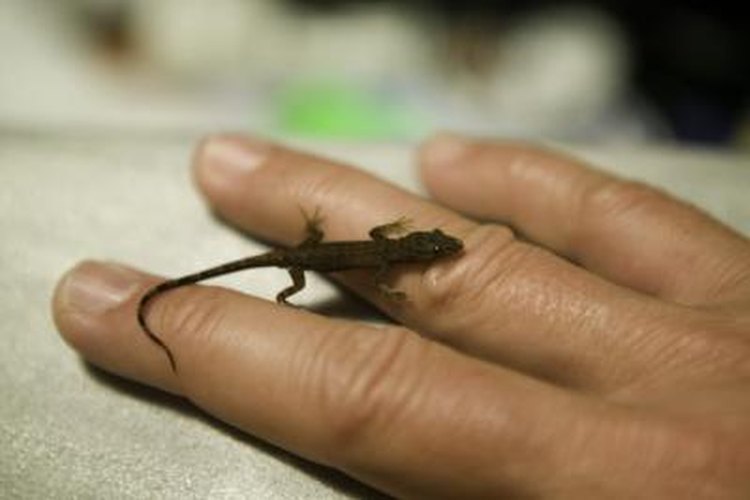
Lizards range dramatically in size. The tiny Jaragua Sphaero, a gecko from the Caribbean, measures only about 16 mm (0.6 in) in length. At the other extreme, the Komodo dragon, the largest living lizard, can reach lengths of over 3 meters (10 ft) and weigh over 70 kg (150 lb). Their body shapes also vary considerably, from the flattened bodies of geckos adapted for crevices to the elongated bodies of monitor lizards built for speed.   

Habitats and Distribution: Adapting to Diverse Environments

Lizards have successfully colonized a wide range of habitats, demonstrating their remarkable adaptability. They can be found in:

  • Deserts: Many lizards have adaptations for surviving in arid environments, such as thick skin to reduce water loss and the ability to tolerate high temperatures.   
  • Rainforests: Rainforests provide a diverse habitat for arboreal (tree-dwelling) lizards, which often have specialized toe pads for climbing.
  • Grasslands: Grasslands offer open habitats where fast-running lizards can thrive, often relying on camouflage for protection.
  • Mountains: Some lizard species are adapted to high-altitude environments with cooler temperatures and lower oxygen levels.   

Diet and Hunting: Carnivores, Herbivores, and Omnivores

Lizards exhibit a variety of feeding strategies.

  • Insectivores: Many smaller lizards primarily feed on insects and other invertebrates.
  • Carnivores: Larger lizards, such as monitor lizards, are carnivores, preying on small mammals, birds, reptiles, and eggs.   
  • Herbivores: Some lizard species, like iguanas, are primarily herbivorous, feeding on leaves, flowers, and fruits.   
  • Omnivores: Certain lizards are omnivorous, consuming both plant and animal matter.   

Reproduction: Diverse Strategies

Lizards exhibit diverse reproductive strategies.

  • Oviparity (Egg-laying): Most lizards are oviparous, laying eggs that hatch externally.
  • Viviparity (Live birth): Some lizard species are viviparous, giving birth to live young. This adaptation is often found in colder climates where egg incubation in the ground is challenging.   
  • Ovoviviparity: Some species are ovoviviparous where eggs are retained inside the mother until they hatch.   

Defense Mechanisms: Avoiding Predators

Lizards have evolved various defense mechanisms to avoid predation:

  • Camouflage: Many lizards blend seamlessly with their surroundings, making them difficult to spot.
  • Autotomy (Tail shedding): As mentioned earlier, shedding the tail distracts predators, allowing the lizard to escape.   
  • Running and Climbing: Many lizards are fast runners or agile climbers, enabling them to evade predators.   
  • Spines and Armor: Some lizards have spines or bony plates that provide physical protection.   
  • Venom: Some lizard species, such as the Gila monster and beaded lizards, are venomous, using venom for defense and prey capture.   

Ecological Importance: A Vital Role in Ecosystems

Lizards play a crucial role in ecosystems as both predators and prey. They help control insect populations and serve as a food source for larger animals, contributing to the balance of the food web.   

Conservation Status: Threats and Challenges

While many lizard species are thriving, others face threats such as habitat loss, climate change, invasive species, and the pet trade. Conservation efforts are essential to protect these fascinating creatures and their diverse habitats.

Conclusion: A World of Scaly Wonders

Lizards are a diverse and fascinating group of reptiles, showcasing an incredible range of adaptations and behaviors. From tiny geckos to giant Komodo dragons, they play a vital role in ecosystems worldwide. Understanding and appreciating their diversity is crucial for their conservation and the health of our planet.

Protecting Foxes: Conservation Efforts & Challenges

seaflog.com – Foxes are fascinating creatures found in diverse habitats across the globe. Despite their adaptability, many fox species face significant conservation challenges due to habitat loss, human-wildlife conflict, and environmental changes. This article explores the efforts to protect foxes and the challenges conservationists face in ensuring their survival.

The Importance of Foxes in Ecosystems

Foxes play a crucial role in maintaining ecological balance. As omnivorous mammals, they help control the populations of small mammals, insects, and birds, which in turn affects vegetation and other wildlife. Their presence in an ecosystem can indicate a healthy environment, making their protection vital for biodiversity.

Conservation Efforts

Various conservation initiatives are underway to protect fox populations. These efforts include habitat preservation, legal protections, and public education campaigns. For example, the protection of natural habitats through the establishment of wildlife reserves and national parks helps ensure foxes have safe environments to thrive. Legal protections, such as hunting restrictions and endangered species designations, aim to safeguard vulnerable fox populations.

Organizations and governments also engage in breeding and reintroduction programs for species like the endangered Sierra Nevada red fox. These programs aim to bolster population numbers and re-establish foxes in areas where they have declined.

Challenges in Fox Conservation

Despite these efforts, fox conservation faces several challenges. Habitat destruction due to urbanization, agriculture, and deforestation is a significant threat, reducing the available space for foxes to live and hunt. Additionally, human-wildlife conflict arises when foxes prey on livestock or come into urban areas in search of food, leading to negative perceptions and sometimes lethal control measures.

Climate change also poses a threat to fox species, particularly those adapted to specific environments. Changing temperatures and weather patterns can alter habitats and food availability, affecting fox populations.

The Role of Public Awareness

Public awareness and education are crucial components of fox conservation. By educating communities about the ecological role of foxes and promoting coexistence strategies, conservationists hope to reduce conflicts and foster a more harmonious relationship between humans and foxes. Programs that provide solutions for livestock protection and encourage sustainable land use can help mitigate some of the challenges foxes face.

Conclusion

Protecting foxes requires a multifaceted approach that addresses ecological, social, and economic factors. Through dedicated conservation efforts, legal protections, and increased public awareness, there is hope for ensuring the survival and prosperity of fox populations. As stewards of the environment, humans have a responsibility to safeguard these vital creatures and the ecosystems they inhabit.

Discovering Miniature Lizards & Snakes: World’s Smallest Reptiles

seaflog.com – The animal kingdom is home to a vast array of creatures, ranging from the colossal blue whale to the minuscule tardigrade. Among these diverse life forms, reptiles occupy a unique niche, with some species being so small that they can easily go unnoticed. This article delves into the fascinating world of the world’s smallest reptiles, focusing on miniature lizards and snakes that have adapted to life in miniature.

The Tiny Titans of the Reptile World

Reptiles are known for their diverse sizes, with some species reaching impressive lengths and others barely making it past a few centimeters. The smallest reptiles are true marvels of miniaturization, having evolved to thrive in environments where being small is not just an advantage but a necessity.

Miniature Lizards: The Pygmy Giants

The Dwarf Gecko

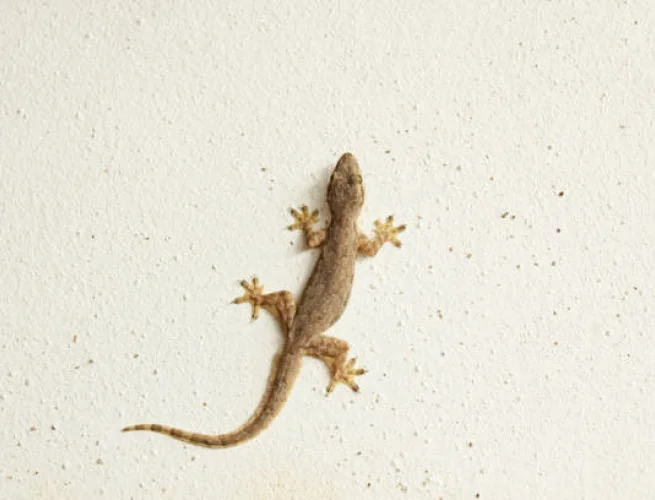
One of the smallest lizards in the world is the dwarf gecko, measuring just a few centimeters in length. These tiny reptiles are found in various parts of the world, with each species adapted to its unique environment. Despite their size, dwarf geckos are agile climbers and can often be found scaling walls and ceilings in search of insects.

The Brookesia Micra

Discovered in 2012, the Brookesia micra from Madagascar is a chameleon species that barely reaches 30 millimeters in length. This miniature lizard is not only one of the smallest reptiles but also one of the smallest vertebrates on Earth. Its discovery highlights the incredible diversity of life and the surprising places it can be found.

Snakes of the Small: The World’s Tiniest Serpents

The Threadsnake

Threadsnakes, also known as worm snakes, are among the smallest snakes in the world. These slender reptiles can be as short as 10 centimeters and are often mistaken for earthworms. Despite their size, threadsnakes are formidable predators, feeding on small invertebrates.

The Leptotyphlops Carlae

The Leptotyphlops carlae, discovered in 2009, is a species of blind snake that measures only 10 centimeters in length. This tiny snake is native to the Caribbean island of Barbados and is an example of island dwarfism, a phenomenon where animals evolve to be smaller in isolation.

The Evolutionary Advantages of Being Small

The miniaturization of reptiles is not just a curiosity but a testament to the power of evolution. Being small offers several advantages, including the ability to exploit microhabitats, escape predators, and survive in environments with limited resources. These tiny reptiles are a reminder of the incredible diversity of life and the endless ways in which organisms adapt to their surroundings.

Conservation of Miniature Reptiles

The smallest reptiles often face significant threats, including habitat destruction, climate change, and invasive species. Conservation efforts are crucial to protecting these miniature marvels and ensuring that they continue to thrive in the wild. From habitat preservation to captive breeding programs, there are many ways to safeguard the world’s smallest reptiles for future generations.

Conclusion

The world’s smallest reptiles are a testament to the incredible diversity of life on Earth. From the tiny dwarf gecko to the minuscule threadsnake, these miniature lizards and snakes have adapted to life in miniature, showcasing the remarkable ways in which organisms can evolve. As we continue to discover and learn about these tiny titans, it is our responsibility to protect them and their habitats, ensuring that they remain a part of our planet’s rich biodiversity for years to come.

The North African Enigma: The Atlas Bear

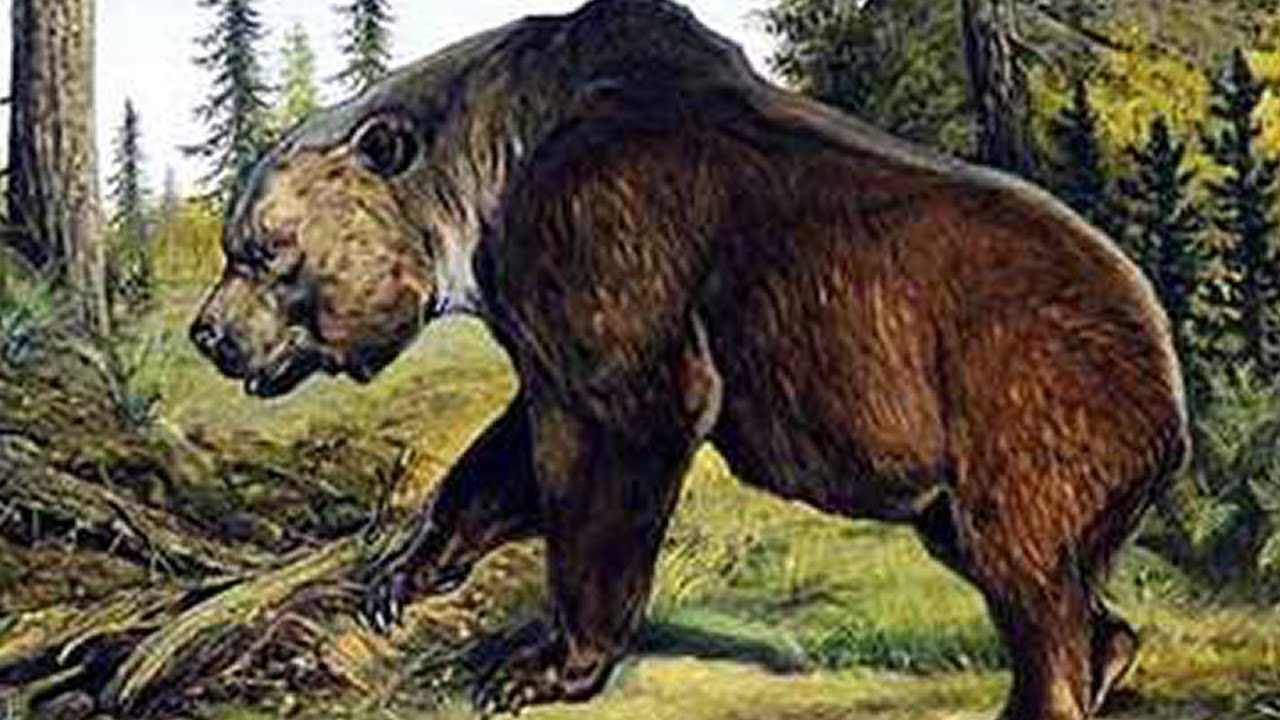
seaflog.com – The Atlas Bear, also known as the North African Brown Bear, is a creature shrouded in mystery and intrigue. Once roaming the Atlas Mountains and the surrounding regions, this bear is now considered to be one of the most enigmatic animals in North Africa. Its history, behavior, and the current status of its population are subjects of fascination for wildlife enthusiasts and conservationists alike.

The Historical Significance of the Atlas Bear

The Atlas Bear has a rich history that dates back thousands of years. It was once a common sight in the rugged terrains of Morocco, Algeria, and Tunisia. Ancient civilizations revered the bear, often depicting it in their art and mythology. The Romans, for example, captured Atlas Bears for use in gladiatorial games, showcasing their strength and ferocity.

The Decline of the Atlas Bear Population

The 20th century marked a significant decline in the Atlas Bear population. Habitat loss, due to deforestation and human encroachment, along with hunting and poaching, pushed the species to the brink of extinction. By the late 20th century, sightings of the Atlas Bear became exceedingly rare, leading many to believe that the species had vanished entirely.

The Current Status of the Atlas Bear

Today, the Atlas Bear is considered critically endangered, with some experts suggesting that it may already be extinct in the wild. The last confirmed sighting was in the 1960s, although there have been unconfirmed reports and sightings since then. Conservation efforts are underway to protect the species, including habitat preservation and anti-poaching measures.

The Enigma of the Atlas Bear

Despite its rare sightings, the Atlas Bear remains an enigma. Its exact population size, behavior, and even its physical appearance are subjects of speculation. The bear is known to be solitary, with a diet consisting of plants, insects, and small mammals. However, much of its ecology remains a mystery, making it a subject of ongoing research and conservation efforts.

Conservation Efforts and the Future of the Atlas Bear

Conservationists are working tirelessly to ensure the survival of the Atlas Bear. Efforts include habitat restoration, anti-poaching patrols, and community education programs. There are also calls for the establishment of protected areas specifically for the bear’s habitat. While the future of the Atlas Bear is uncertain, these efforts offer a glimmer of hope for the survival of this North African enigma.

Conclusion

The Atlas Bear is more than just an animal; it is a symbol of North Africa’s rich biodiversity and a reminder of the delicate balance between humans and wildlife. As we continue to learn more about this elusive creature, it is our responsibility to protect it and its habitat. The survival of the Atlas Bear depends on our collective efforts to conserve the natural world for future generations.