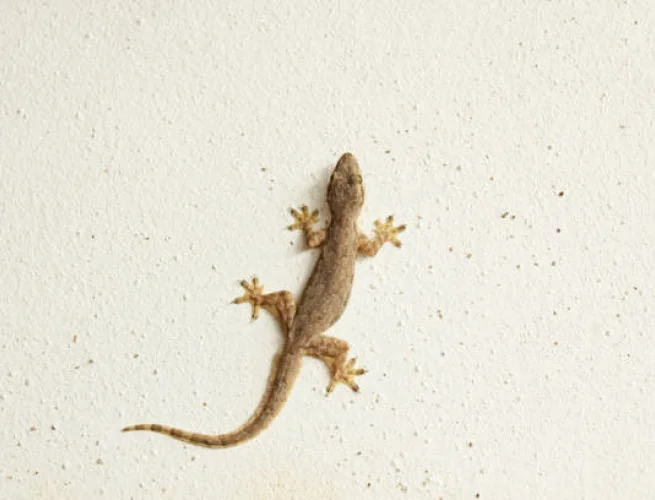
seaflog.com – Lizards are a remarkably diverse group of scaled reptiles belonging to the order Squamata (which also includes snakes). They are found on every continent except Antarctica and occupy a wide range of habitats, from scorching deserts to lush rainforests. With over 6,000 known species, they exhibit an incredible variety of sizes, shapes, colors, and behaviors.
Physical Characteristics: A Wide Spectrum
Lizards exhibit a vast array of physical characteristics, making it difficult to define them with a single set of features. However, some common traits include:
- Scaly Skin: Their skin is covered in scales, providing protection from desiccation and physical abrasion.
- Four Limbs (Usually): Most lizards possess four limbs, although some species, like legless lizards, have reduced or absent limbs, resembling snakes.
- External Ear Openings: Unlike snakes, lizards typically have external ear openings.
- Movable Eyelids (Usually): Most lizards have movable eyelids, allowing them to blink, unlike snakes, which have fused, transparent eyelids.
- Tail Autotomy: Many lizard species have the ability to shed their tails (autotomy) as a defense mechanism against predators. The detached tail continues to wiggle, distracting the predator while the lizard escapes.
Size and Shape: From Tiny Geckos to Giant Komodo Dragons
Lizards range dramatically in size. The tiny Jaragua Sphaero, a gecko from the Caribbean, measures only about 16 mm (0.6 in) in length. At the other extreme, the Komodo dragon, the largest living lizard, can reach lengths of over 3 meters (10 ft) and weigh over 70 kg (150 lb). Their body shapes also vary considerably, from the flattened bodies of geckos adapted for crevices to the elongated bodies of monitor lizards built for speed.
Habitats and Distribution: Adapting to Diverse Environments
Lizards have successfully colonized a wide range of habitats, demonstrating their remarkable adaptability. They can be found in:
- Deserts: Many lizards have adaptations for surviving in arid environments, such as thick skin to reduce water loss and the ability to tolerate high temperatures.
- Rainforests: Rainforests provide a diverse habitat for arboreal (tree-dwelling) lizards, which often have specialized toe pads for climbing.
- Grasslands: Grasslands offer open habitats where fast-running lizards can thrive, often relying on camouflage for protection.
- Mountains: Some lizard species are adapted to high-altitude environments with cooler temperatures and lower oxygen levels.
Diet and Hunting: Carnivores, Herbivores, and Omnivores
Lizards exhibit a variety of feeding strategies.
- Insectivores: Many smaller lizards primarily feed on insects and other invertebrates.
- Carnivores: Larger lizards, such as monitor lizards, are carnivores, preying on small mammals, birds, reptiles, and eggs.
- Herbivores: Some lizard species, like iguanas, are primarily herbivorous, feeding on leaves, flowers, and fruits.
- Omnivores: Certain lizards are omnivorous, consuming both plant and animal matter.
Reproduction: Diverse Strategies
Lizards exhibit diverse reproductive strategies.
- Oviparity (Egg-laying): Most lizards are oviparous, laying eggs that hatch externally.
- Viviparity (Live birth): Some lizard species are viviparous, giving birth to live young. This adaptation is often found in colder climates where egg incubation in the ground is challenging.
- Ovoviviparity: Some species are ovoviviparous where eggs are retained inside the mother until they hatch.
Defense Mechanisms: Avoiding Predators
Lizards have evolved various defense mechanisms to avoid predation:
- Camouflage: Many lizards blend seamlessly with their surroundings, making them difficult to spot.
- Autotomy (Tail shedding): As mentioned earlier, shedding the tail distracts predators, allowing the lizard to escape.
- Running and Climbing: Many lizards are fast runners or agile climbers, enabling them to evade predators.
- Spines and Armor: Some lizards have spines or bony plates that provide physical protection.
- Venom: Some lizard species, such as the Gila monster and beaded lizards, are venomous, using venom for defense and prey capture.
Ecological Importance: A Vital Role in Ecosystems
Lizards play a crucial role in ecosystems as both predators and prey. They help control insect populations and serve as a food source for larger animals, contributing to the balance of the food web.
Conservation Status: Threats and Challenges
While many lizard species are thriving, others face threats such as habitat loss, climate change, invasive species, and the pet trade. Conservation efforts are essential to protect these fascinating creatures and their diverse habitats.
Conclusion: A World of Scaly Wonders
Lizards are a diverse and fascinating group of reptiles, showcasing an incredible range of adaptations and behaviors. From tiny geckos to giant Komodo dragons, they play a vital role in ecosystems worldwide. Understanding and appreciating their diversity is crucial for their conservation and the health of our planet.