Gaza Province: Mozambique’s Southern Jewel

seaflog.com – Gaza Province, located in southern Mozambique, is a region of stunning natural beauty and rich cultural heritage. Its diverse landscapes, from pristine beaches to lush savannas, offer a captivating experience for visitors. The province’s strategic location, bordering South Africa and Zimbabwe, has shaped its history and culture, making it a fascinating destination for travelers and historians alike.   

A Land of Contrasts

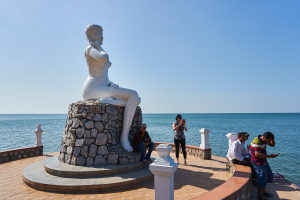
Gaza Province is a land of contrasts, where modern development meets traditional ways of life. The capital city, Xai-Xai, is a bustling urban center with a vibrant market and a growing economy. However, many parts of the province retain a strong connection to their rural roots, with communities relying on agriculture and fishing for their livelihoods.   

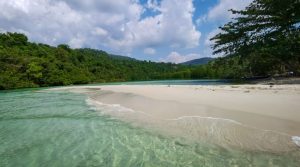
The province’s coastline is dotted with beautiful beaches, including the popular Bilene and Xai-Xai beaches. These pristine stretches of sand offer opportunities for swimming, sunbathing, and water sports. For nature enthusiasts, the Limpopo National Park, a trans-frontier conservation area, is a must-visit. This vast park is home to a diverse range of wildlife, including lions, elephants, and leopards.   

A Rich Cultural Heritage

Gaza Province is also renowned for its rich cultural heritage. The Shangaan and Tsonga people, who make up a significant portion of the population, have a long history and unique traditions. Their vibrant music, dance, and crafts are celebrated at various cultural festivals throughout the year.

The province’s historical sites, such as the ruins of old forts and colonial buildings, offer glimpses into its past. The Limpopo River, which forms the border with South Africa, has played a crucial role in the region’s history, serving as a trade route and a cultural exchange point.

Challenges and Opportunities

Despite its many attractions, Gaza Province faces several challenges, including poverty, unemployment, and inadequate infrastructure. However, the province’s abundant natural resources, strategic location, and growing tourism industry offer significant opportunities for development.

The government of Mozambique has implemented various initiatives to promote economic growth and improve the lives of the people of Gaza Province. These initiatives include investments in agriculture, tourism, and infrastructure. Additionally, international cooperation and partnerships are playing a crucial role in the province’s development.

A Glimpse into the Future

As Gaza Province continues to evolve, it remains committed to preserving its cultural heritage and natural environment. By embracing sustainable development practices and promoting tourism, the province can secure a prosperous future for its people.
Cachi: A Majestic Andean Peak – Geology and Formation

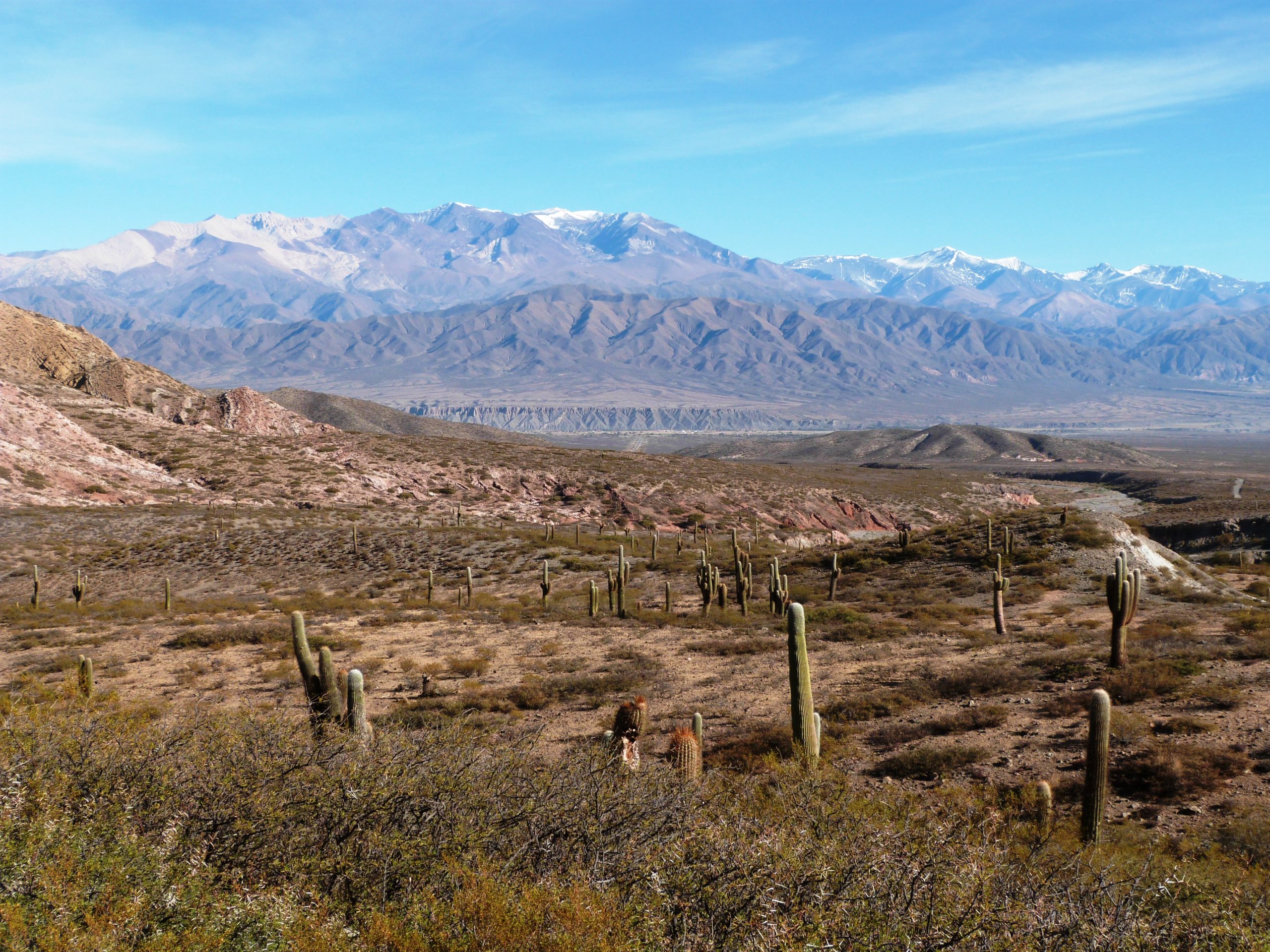
seaflog.com – In the heart of the Argentine Andes, nestled within the Salta Province, lies a majestic stratovolcano named Cachi. With a summit reaching an impressive 6,380 meters (20,930 feet), Cachi stands as a testament to the raw power and beauty of the natural world. Its imposing presence, coupled with its rich geological history and challenging terrain, has captivated mountaineers and nature enthusiasts alike.

Geology and Formation

Cachi is a stratovolcano, a type of volcano characterized by its steep conical shape formed by layers of lava flows, volcanic ash, and tephra. Its formation is a result of complex geological processes that have shaped the Andes mountain range over millions of years. The convergence of tectonic plates in this region has led to intense volcanic activity, resulting in the creation of numerous volcanoes, including Cachi.

The volcano’s slopes are adorned with a variety of volcanic features, including lava flows, volcanic ash deposits, and glacial valleys. These geological formations offer valuable insights into the volcano’s history and provide clues about past eruptions.

Climbing Cachi: A Challenging Endeavor

Cachi is a challenging mountain to climb, requiring technical expertise, physical fitness, and a high level of acclimatization. The ascent typically involves navigating steep slopes, traversing glaciers, and dealing with high-altitude conditions. The journey to the summit is often arduous, but the rewards are immense.

The most common route to the summit is the Normal Route, which starts from the Cachi base camp. This route involves a series of challenging climbs, including the iconic Quevar Pass, which offers breathtaking views of the surrounding peaks.

Environmental Significance and Conservation

Cachi is not only a geological marvel but also an important ecological habitat. Its slopes support diverse ecosystems, including high-altitude grasslands, alpine meadows, and glacial lakes. These ecosystems are home to a variety of endemic species, many of which are threatened by human activities and climate change.

The protection and conservation of Cachi and its surrounding environment are crucial for preserving biodiversity and ensuring the long-term sustainability of the region. Efforts are being made to promote responsible tourism and sustainable practices in the area, aiming to minimize the impact of human activities on the fragile ecosystem.

Conclusion

Cachi is a magnificent stratovolcano that stands as a testament to the power and beauty of the natural world. Its imposing presence, challenging terrain, and rich geological history continue to attract mountaineers and nature enthusiasts from around the globe. As we strive to understand and appreciate this majestic peak, it is essential to prioritize its conservation and protection for future generations.

The Ming Tombs: A Journey Through Imperial China’s Legacy

seaflog.com – The Ming Tombs, known as “Ming Shisan Ling” in Chinese, are a collection of mausoleums built by the emperors of the Ming Dynasty (1368–1644). Located approximately 50 kilometers northwest of Beijing, these tombs are a testament to the grandeur and architectural brilliance of imperial China. As one of the most significant historical and cultural sites in China, the Ming Tombs offer a fascinating glimpse into the lives and legacies of the Ming emperors.

Historical Background

The Ming Tombs were established by the third Ming emperor, Yongle, who also relocated the capital to Beijing and constructed the Forbidden City. The site was chosen based on Feng Shui principles, with the Tianshou Mountain providing a natural backdrop and protection. Over 200 years, thirteen emperors were buried here, each in their own elaborate mausoleum, showcasing the dynasty’s wealth, power, and cultural sophistication.

Architectural Splendor

Each tomb within the Ming Tombs complex is a masterpiece of traditional Chinese architecture, reflecting the unique style and preferences of the emperor it houses. The layout of each tomb follows a similar pattern, with a spirit way lined with statues of animals and officials leading to the main hall and burial mound. The most famous of these is the Changling Tomb, the largest and best-preserved, which houses Emperor Yongle and his empress.

The Sacred Way

The Sacred Way, or “Shen Dao,” is the grand entrance to the Ming Tombs. This seven-kilometer-long path is lined with magnificent stone statues of guardian figures, animals, and officials, symbolizing the emperor’s journey to the afterlife. The serene and imposing atmosphere of the Sacred Way sets the tone for the grandeur and reverence of the tombs themselves, offering visitors a solemn and awe-inspiring experience.

Cultural Significance

The Ming Tombs are not only a marvel of ancient Chinese architecture but also a rich cultural heritage site that reflects the beliefs, traditions, and artistic achievements of the Ming Dynasty. The careful planning and construction of the tombs demonstrate the importance placed on ancestor worship and the afterlife in Chinese culture. These tombs serve as a reminder of the dynasty’s historical impact and its contributions to Chinese civilization.

Preservation and Tourism

Today, the Ming Tombs are a UNESCO World Heritage Site, attracting millions of visitors each year. Efforts have been made to preserve and restore the tombs, ensuring that future generations can appreciate their historical and cultural value. Guided tours offer insights into the history and significance of each tomb, providing a deeper understanding of the Ming Dynasty and its emperors.

Conclusion

The Ming Tombs are a remarkable testament to the grandeur and cultural richness of China’s imperial past. As a destination of historical importance and architectural beauty, they offer a unique opportunity to explore the legacy of the Ming emperors and their contributions to Chinese history. For anyone interested in China’s imperial history and architectural heritage, the Ming Tombs provide a captivating journey into the heart of one of the country’s most influential dynasties.

Wisata Relaksasi di Kep: Nikmati Ketentraman di Tepi Laut

seaflog – Kep, sebuah kota pesisir kecil di Kamboja, menawarkan pengalaman wisata yang tenang dan jauh dari hiruk pikuk perkotaan. Terletak sekitar 30 km dari Kampot dan sekitar 170 km dari Phnom Penh, Kep terkenal dengan pantai-pantainya yang indah, hidangan laut yang segar, serta suasana yang damai, menjadikannya destinasi sempurna bagi para wisatawan yang mencari relaksasi di tepi laut.

Pantai di Kep mungkin tidak memiliki pasir putih seperti yang ada di tempat-tempat wisata terkenal lainnya, tetapi daya tarik utama dari pantai ini adalah ketenangannya. Pantai di Kep menawarkan suasana yang damai, di mana pengunjung bisa menikmati desiran ombak dan angin sepoi-sepoi tanpa gangguan dari keramaian wisatawan.

Salah satu pantai yang terkenal di sini adalah Pantai Kep. Meskipun kecil, pantai ini menawarkan pemandangan laut yang luas dan indah. Air laut yang jernih dan ombak yang tenang menjadikan tempat ini ideal untuk berenang santai atau sekadar berjemur di bawah matahari.

Hanya berjarak sekitar 20 menit perjalanan menggunakan perahu dari Kep, Pulau Kelinci (Koh Tonsay) menjadi tempat pelarian favorit bagi mereka yang ingin merasakan suasana pantai yang lebih alami. Pulau ini hampir tidak tersentuh oleh perkembangan modern, dengan pantai berpasir putih, air laut yang tenang, dan pepohonan kelapa yang rindang.

wisata-relaksasi-di-kep-nikmati-ketentraman-di-tepi-laut

Di Pulau Kelinci, pengunjung dapat menghabiskan hari dengan berenang, snorkeling, atau hanya bersantai di pondok-pondok sederhana yang ada di tepi pantai. Pulau ini juga terkenal dengan terumbu karangnya, menjadikannya tempat yang baik untuk melihat kehidupan laut dengan snorkeling.

Kep terkenal dengan produksi kepiting. Hidangan kepiting segar adalah salah satu atraksi kuliner utama di kota ini. Pasar Kepiting yang terkenal menjadi tempat favorit bagi pengunjung untuk menikmati kepiting yang ditangkap langsung dari laut, dimasak dengan bumbu lokal, dan disajikan segar di meja.

Salah satu sajian populer adalah kepiting dengan saus lada Kampot, yang menggunakan lada hitam terkenal dari daerah tetangga Kampot. Hidangan ini menawarkan perpaduan rasa pedas yang khas dengan daging kepiting yang manis dan lembut, memberikan pengalaman kuliner yang tak terlupakan.

Selain pantainya, Kep juga menawarkan pengalaman trekking yang menarik di Taman Nasional Kep. Taman ini memiliki jalur-jalur pendakian yang menawarkan pemandangan hutan tropis dan laut yang menakjubkan. Sepanjang jalur, pengunjung dapat menemukan berbagai flora dan fauna, serta beberapa sudut pandang yang menyuguhkan panorama indah dari kota dan laut di sekitarnya.

Jalur-jalur ini cocok untuk semua tingkatan pendaki, dan bagi mereka yang lebih suka jalan santai, beberapa rute yang lebih pendek dan datar bisa dinikmati. Di tengah ketenangan alam, suara burung dan desiran angin menambah suasana relaksasi.

wisata-relaksasi-di-kep-nikmati-ketentraman-di-tepi-laut

Kep memiliki berbagai pilihan akomodasi, mulai dari hotel mewah hingga bungalow sederhana di tepi pantai. Banyak dari akomodasi ini menawarkan pemandangan langsung ke laut, sehingga pengunjung dapat menikmati suara deburan ombak dari kamar mereka.

Salah satu keistimewaan Kep adalah banyaknya resor butik yang menawarkan suasana damai, taman yang indah, serta pelayanan yang ramah slot kamboja. Banyak dari resor ini didesain dengan mempertahankan nuansa alam, memadukan arsitektur tradisional dengan fasilitas modern untuk kenyamanan tamu.

Kep adalah tempat yang ideal untuk mereka yang ingin melarikan diri dari hiruk pikuk kehidupan perkotaan dan mencari ketenangan di tepi laut. Dengan pantai yang tenang, kuliner laut yang lezat, dan keindahan alam yang alami, Kep menjanjikan pengalaman wisata yang menenangkan dan menyegarkan. Baik Anda datang untuk menikmati pantai, menjelajah alam, atau mencicipi hidangan laut segar, Kep adalah destinasi sempurna untuk relaksasi di Kamboja.

Domestic and Foreign: The FBI’s Intelligence Operations

seaflog.com – The Federal Bureau of Investigation (FBI) is not only a premier law enforcement agency but also a key player in the United States’ intelligence community. Its intelligence operations, both domestic and foreign, are critical in safeguarding the nation against a wide range of threats. This article delves into the FBI’s intelligence activities, examining their scope, methods, and the challenges they face in an ever-changing threat landscape.

Domestic Intelligence: Protecting the Homeland

The FBI’s domestic intelligence operations are focused on identifying and neutralizing threats within the United States. These threats include terrorism, espionage, cyber attacks, and organized crime. The agency collects and analyzes information through various means, including surveillance, informants, and data mining. The goal is to disrupt and prevent criminal and terrorist activities before they can cause harm.

Foreign Intelligence: A Global Perspective

The FBI’s foreign intelligence operations extend beyond U.S. borders, working in collaboration with international partners to combat transnational threats. These operations involve gathering intelligence on foreign terrorist organizations, cybercriminals, and state-sponsored espionage activities. The FBI’s Legal Attaché program, known as the “Legat” program, places special agents and intelligence analysts in U.S. embassies around the world to facilitate cooperation with foreign law enforcement and intelligence agencies.

The Role of the National Security Branch

Established in 2005, the FBI’s National Security Branch (NSB) is at the forefront of the agency’s intelligence efforts. The NSB integrates intelligence and law enforcement operations to address national security threats. It oversees the Counterterrorism Division, Counterintelligence Division, and the Weapons of Mass Destruction Directorate, among others. The NSB’s work is crucial in preventing attacks, protecting critical infrastructure, and ensuring the security of the United States.

Challenges in Intelligence Operations

The FBI’s intelligence operations face numerous challenges, including navigating the balance between national security and civil liberties, adapting to new technologies and cyber threats, and coordinating with a vast network of domestic and international partners. The agency must also stay ahead of adversaries who continually evolve their tactics to evade detection and law enforcement.

The Future of FBI Intelligence

As the threat landscape continues to evolve, the FBI’s intelligence operations must adapt accordingly. This includes investing in advanced technologies, fostering international partnerships, and developing a workforce with the skills needed to tackle complex intelligence challenges. The FBI’s ability to anticipate and respond to emerging threats will be critical in maintaining the nation’s security in the years to come.

Conclusion: The Vital Role of FBI Intelligence

The FBI’s intelligence operations are indispensable in the defense of the United States. By combining domestic and foreign intelligence efforts, the agency is able to provide a comprehensive view of the threats facing the nation. As the world becomes increasingly interconnected and the nature of threats more complex, the FBI’s role in gathering and analyzing intelligence will only grow in importance.

The Tu’i Tonga Empire: Expansion & Hegemony in Oceania

seaflog.com – The Tu’i Tonga Empire, also known as the Tongan Empire, was a significant maritime empire that flourished in the central Pacific Ocean from around the 9th to the 13th century AD. At its zenith, the empire’s influence extended over a vast area of Oceania, encompassing parts of what are now Tonga, Samoa, Fiji, and even reaching as far as parts of the Cook Islands and Niue. The empire was characterized by its sophisticated maritime navigation skills, its hierarchical social structure, and its ability to exert control over distant islands through a combination of trade, diplomacy, and military force.

The Origins of the Tu’i Tonga Empire

The origins of the Tu’i Tonga Empire are shrouded in myth and legend, with traditional Tongan accounts attributing its founding to the semi-divine figure ‘Aho’eitu, the first Tu’i Tonga. According to these narratives, ‘Aho’eitu was a descendant of the gods and established the empire’s capital at Mu’a, on the island of Tongatapu. Archaeological evidence, however, suggests that the empire’s rise was a more gradual process, with the development of complex societies and the mastery of oceanic navigation playing crucial roles in its expansion.

Expansion and Trade Networks

The Tu’i Tonga Empire’s expansion was facilitated by its people’s unparalleled seafaring abilities. Tongan navigators were adept at reading the stars, currents, and wind patterns, allowing them to travel vast distances across the open ocean. This mastery of navigation enabled the empire to establish extensive trade networks that linked the islands of Oceania. The empire traded in a variety of goods, including fish, yams, pigs, and fine mats, as well as obsidian and other materials used for tools and weapons.

Hegemony and Control

The Tu’i Tonga Empire’s hegemony over the islands of Oceania was maintained through a combination of military power and cultural influence. The empire’s warriors were feared throughout the region, and the empire’s leaders were skilled in using both force and diplomacy to assert their dominance. The empire also spread its cultural practices and religious beliefs, with the Tu’i Tonga himself being considered a divine figure whose authority was recognized across the empire.

Decline of the Empire

The decline of the Tu’i Tonga Empire began in the 13th century, with a combination of internal strife and external pressures contributing to its downfall. The empire faced challenges from rival powers, such as the Fijian chiefdoms, and internal conflicts weakened its central authority. By the time European explorers arrived in the Pacific in the 18th century, the Tu’i Tonga Empire had fragmented into smaller, independent polities.

Legacy of the Tu’i Tonga Empire

Despite its decline, the Tu’i Tonga Empire left a lasting legacy on the cultures and societies of Oceania. Its influence can still be seen in the languages, customs, and traditions of the peoples of Tonga, Samoa, and Fiji. The empire’s history is a testament to the ingenuity and resilience of the Pacific Islanders, who built a vast maritime empire in one of the most remote and challenging environments on Earth.

The Role of Women in Tunisian Society: Bourguiba’s Reforms – Today

seaflog.com – The role of women in Tunisian society has undergone significant transformation over the past century, particularly since the country gained independence from France in 1956. This evolution is closely linked to the progressive reforms initiated by President Habib Bourguiba and the subsequent developments in Tunisian law and culture. Today, Tunisian women continue to navigate a path between tradition and modernity, advocating for their rights and contributing to the nation’s social and economic fabric.

Bourguiba’s Reforms: A Milestone for Gender Equality

Upon independence, President Habib Bourguiba recognized the importance of women’s rights as a cornerstone of modern Tunisian society. In 1956, just one month after gaining independence, Tunisia adopted the Code of Personal Status (CPS), a revolutionary set of laws that granted women unprecedented rights in the Arab world. The CPS abolished polygamy, granted women the right to divorce, and raised the minimum age for marriage. These reforms were a bold step towards gender equality and set Tunisia apart from its neighbors.

Education and Employment: Paving the Way for Progress

Bourguiba’s reforms also emphasized the importance of education for women, leading to significant improvements in literacy rates and access to higher education. As a result, Tunisian women have become increasingly active in the workforce, contributing to various sectors of the economy. Today, Tunisian women are found in professional roles across the board, from medicine and engineering to business and politics.

Political Participation: Breaking Barriers

The political landscape in Tunisia has also seen the rise of women leaders and activists. Following the Jasmine Revolution in 2010-2011, Tunisian women played a crucial role in the democratic transition, advocating for their rights and participating in the drafting of the new constitution. The 2014 constitution enshrined gender equality and prohibited discrimination based on gender, marking another significant milestone for women’s rights in Tunisia.

Challenges and Advocacy: The Ongoing Struggle

Despite these advances, Tunisian women still face challenges, including gender-based violence, economic disparities, and social conservatism. Activists and organizations continue to work towards addressing these issues, advocating for legal reforms and raising public awareness. The #MeToo movement and other global feminist initiatives have found resonance in Tunisia, inspiring a new generation of women to speak out and demand change.

Conclusion

The role of women in Tunisian society has evolved significantly since Bourguiba’s reforms, with Tunisian women making strides in education, employment, and political participation. While challenges remain, the resilience and determination of Tunisian women, coupled with progressive legal frameworks, continue to drive the agenda for gender equality forward. As Tunisia looks to the future, the contributions of its women will be essential in shaping a nation that is both modern and inclusive.

Eritrea’s Future Prospects and Development Strategies

seaflog.com – Eritrea, a small nation in the Horn of Africa, has faced numerous challenges since gaining independence in 1993. Despite these obstacles, the country possesses significant potential for future development. This article explores Eritrea’s future prospects and the development strategies that could help the nation achieve sustainable growth and improve the well-being of its population.

Economic Diversification

One of the key strategies for Eritrea’s future development is economic diversification. The country has traditionally relied on agriculture and mining, but there is a need to expand into other sectors such as manufacturing, services, and technology. Investing in infrastructure, improving access to finance, and creating a favorable business environment are essential steps to attract both domestic and foreign investment.

Human Capital Development

Investing in human capital is crucial for Eritrea’s future. This includes expanding access to quality education, vocational training, and healthcare. By improving the skills and health of its population, Eritrea can create a more productive workforce capable of driving economic growth and innovation.

Political and Social Stability

Achieving political and social stability is fundamental to Eritrea’s development prospects. This involves promoting good governance, ensuring the rule of law, and respecting human rights. Stability will not only attract investment but also create an environment where citizens can participate fully in the country’s development.

Infrastructure Development

Infrastructure is a critical component of any development strategy. For Eritrea, this means investing in roads, ports, telecommunications, and energy. Improved infrastructure will facilitate trade, reduce transportation costs, and connect remote areas to markets and services.

Regional Integration and Diplomacy

Eritrea’s future also depends on its ability to engage constructively with its neighbors and the international community. Regional integration can open up new markets, enhance security, and promote peace. Diplomatic efforts should focus on resolving conflicts, fostering cooperation, and securing development assistance.

Environmental Sustainability

Sustainable development requires a balance between economic growth and environmental protection. Eritrea must implement policies that promote sustainable land use, water management, and renewable energy. Protecting the country’s natural resources will ensure long-term prosperity and resilience to climate change.

Conclusion

Eritrea’s future prospects are promising, but realizing this potential will require strategic and concerted efforts. By focusing on economic diversification, human capital development, political and social stability, infrastructure development, regional integration, and environmental sustainability, Eritrea can overcome its challenges and embark on a path of sustainable development. The international community can play a supportive role by providing technical assistance, investment, and diplomatic support. With determination and collaboration, Eritrea can build a brighter future for its people.

A Unique Cultural Performance: Vietnam’s Water Puppets

seaflog.com – Vietnam’s water puppetry is a unique and captivating cultural performance that has its roots in the agricultural traditions of the country. This ancient art form, known as “Múa Rối Nước” in Vietnamese, has been entertaining audiences for centuries with its intricate puppets, lively music, and engaging storytelling.

Origins and Historical Significance

Water puppetry is believed to have originated in the 11th century in the Red River Delta of northern Vietnam. The performances were initially held in paddy fields flooded with water, which provided the perfect stage for these aquatic puppets. Over time, the performances moved to purpose-built ponds in temples and later to indoor theaters, making it more accessible to a wider audience.

The art form was traditionally performed during the lunar new year and other festivals, celebrating the country’s agricultural heritage and folklore. It has since become a symbol of Vietnam’s cultural identity and a popular attraction for both locals and tourists.

The Art of Water Puppetry

Water puppetry is a complex art that requires the skillful manipulation of wooden puppets from behind a screen, with the puppeteers standing in waist-deep water. The puppets, which can range from 0.5 to 1 meter in height, are intricately carved and painted to represent characters from Vietnamese folklore, historical figures, and animals.

The performances are accompanied by a live orchestra that plays traditional Vietnamese music, adding to the lively atmosphere. The music, along with the puppets’ movements, tells a story, often depicting scenes from rural life, legends, and historical events.

Popular Themes and Stories

Water puppet performances cover a wide range of themes, including:

  1. Folklore and Mythology: Many performances are based on Vietnamese myths and legends, such as the story of the magic horse or the tale of the dragon who brings rain.
  2. Agricultural Life: Given its origins, water puppetry often depicts scenes from rural life, such as farming, fishing, and festivals.
  3. Historical Events: Some performances reenact significant historical events, showcasing Vietnam’s rich history and cultural heritage.
  4. Daily Life and Humor: Everyday life in Vietnam is also a popular theme, with humorous and light-hearted performances that resonate with the audience.

Preservation and Modern Adaptations

Despite its ancient origins, water puppetry remains a vibrant part of Vietnam’s cultural landscape. Efforts have been made to preserve this art form, including the establishment of water puppet theaters and the training of new generations of puppeteers.

In recent years, water puppetry has also seen modern adaptations, with some performances incorporating contemporary themes and technology to appeal to a broader audience. These innovations help to keep the art form relevant while staying true to its traditional roots.

Conclusion

Vietnam’s water puppets are a testament to the country’s rich cultural heritage and artistic ingenuity. This unique form of performance art not only entertains but also educates, preserving the stories and traditions of Vietnam for future generations. As it continues to evolve, water puppetry remains a symbol of Vietnam’s cultural identity and a source of national pride.

El Salvador International Relations: Engaging China and the World

seaflog.com – El Salvador’s international relations have seen a significant shift towards China, particularly in the economic and diplomatic spheres. This shift has been marked by the establishment of formal diplomatic relations with China in 2018 and the subsequent deepening of economic ties.

Engagement with China

El Salvador’s engagement with China has been primarily focused on economic cooperation and trade. The country has participated in several China Trade Exhibitions, showcasing its agricultural products and other goods. This engagement has facilitated the entry of El Salvadoran products into the Chinese market, including coffee and sugar.

In 2023, the bilateral trade between China and El Salvador exceeded $18 million, highlighting the growing economic ties between the two nations3. Additionally, El Salvador has started negotiations for a Free Trade Agreement (FTA) with China, indicating a commitment to further enhance trade relations.

Diplomatic Relations

The establishment of formal diplomatic relations between China and El Salvador in 2018 was a significant step. This move was followed by the signing of a Joint Communique, which formalized the diplomatic relationship at the ambassadorial level.

President Xi Jinping of China has also extended congratulations to President Nayib Bukele of El Salvador on his re-election, further solidifying the diplomatic ties between the two countries.

Engagement with the World

While El Salvador’s relations with China have been a focal point, the country has also maintained its engagement with other international partners. The United States, for instance, has been working to mend fences with El Salvador, recognizing the strategic importance of the country in Central America.

El Salvador has also participated in international events such as the China International Import Expo, showcasing its products and promoting trade relations with other countries.

Conclusion

El Salvador’s international relations are characterized by a strong focus on economic cooperation, particularly with China. The establishment of diplomatic relations and the ongoing negotiations for a Free Trade Agreement reflect a commitment to deepening economic ties with China. However, El Salvador also maintains engagement with other international partners, indicating a balanced approach to its international relations.

This engagement with China and the world has the potential to significantly impact El Salvador’s economic growth and development, as well as its role in regional and global affairs.

A Journey Through Time: Japan’s Women in the Spotlight

seaflog.com – Japan has long been a country where tradition and modernity coexist, and this is particularly evident in the realm of women’s empowerment and achievements. The journey of Japanese women in various fields, from sports to politics, has been marked by significant milestones and challenges.

The Rise of Women in Professional Sports

One of the most notable areas where Japanese women have made significant strides is in professional sports. The story of 谢依旻, a Chinese-born Japanese professional Go player, is a testament to this. In 2016, she achieved a remarkable feat by winning the 28th edition of the 女流名人 (Nenrou Meijin, or Women’s Meijin) title, a prestigious title in the world of Go. This victory not only showcased her exceptional skills in the game but also highlighted the increasing visibility and success of women in traditionally male-dominated professional sports in Japan.

Breaking Barriers in Politics

The political landscape in Japan has also seen a gradual but significant shift towards greater representation of women. Although the country still lags behind many Western nations in terms of female political representation, there have been notable advancements. The appointment of Yuriko Koike as the Governor of Tokyo in 2016 was a historic moment, marking the first time a woman held such a high-profile political position in Japan. This appointment was seen as a positive step towards increasing female participation in politics and leadership roles.

Challenges and Opportunities

Despite these achievements, Japanese women continue to face significant challenges. The country’s traditional gender roles and societal expectations often hinder women’s advancement in various sectors. The glass ceiling in corporate Japan is a well-documented issue, where women struggle to reach top management positions.

However, there is a growing awareness and movement towards gender equality in Japan. The government and various organizations are implementing policies and initiatives aimed at empowering women and promoting gender diversity. The #MeToo movement, while not as prominent as in Western countries, has also gained traction in Japan, encouraging more women to speak out against sexual harassment and discrimination.

Conclusion

The journey of Japanese women is a complex narrative of progress and challenges. From sports to politics, women are increasingly making their mark and breaking barriers. While there is still much work to be done, the future looks promising as more women step into leadership roles and advocate for gender equality. Japan’s women are not just adding to the headlines; they are rewriting them, one achievement at a time.

Panama’s Schedule and Performance at the 2024 Paris Olympics

seaflog.com – Team Panama participated in the 2024 Summer Olympics held in Paris, France, from July 26 to August 11. This was Panama’s nineteenth appearance at the Summer Olympics since its debut in 19283. The team’s schedule and performance showcased their dedication and athletic prowess on the global stage.

Schedule

Team Panama’s official schedule was detailed and included various sports and events. The schedule was organized to ensure that athletes could compete in their respective disciplines throughout the duration of the Olympics. The specific events and dates were crucial for athletes to prepare and perform at their best.

Performance

Team Panama’s performance at the Paris 2024 Olympics was marked by several notable achievements. The team’s medalists list was a testament to their hard work and skill. Gianna Woodruff, a notable athlete from Panama, competed in the 400 Metres Hurdles and made it to the Repechage Round, finishing in 3rd place with a time of 55.10 seconds.

Hillary Heron, the only gymnast from Panama, was also a highlight. She not only qualified for the Olympics but also had the honor of being the flag bearer for Team Panama during the opening ceremony. Heron’s participation was a significant moment for the country, showcasing its growing presence in international gymnastics.

Medal Table

Panama’s medal count at the Paris 2024 Olympics was a reflection of their overall performance. The official medals table listed the number of gold, silver, and bronze medals won by the team. This information was crucial for understanding the team’s standing among other nations and the impact of their achievements on the global stage.

Conclusion

Team Panama’s participation in the 2024 Paris Olympics was a significant event for the country. Their schedule was meticulously planned, and their performance was marked by notable achievements and milestones. The team’s medalists and overall standing in the medal table highlighted their competitive edge and the potential for future successes in international sports. As Panama continues to develop its athletic programs, the 2024 Olympics serve as a pivotal moment in its Olympic history.

Latvia: A Natural History – The Ancient Forests of Latvia

seaflog.com – Latvia, a country nestled in the Baltic region of Northern Europe, boasts a rich and diverse natural history that spans from its ancient forests to its serene coastal landscapes. This article delves into the varied ecosystems and the myriad of wildlife that call Latvia home, offering a glimpse into the natural tapestry that defines this beautiful country.

The Ancient Forests of Latvia

Latvia’s forests are among the oldest and most pristine in Europe, covering nearly half of the country. These woodlands are dominated by coniferous trees such as spruce, pine, and fir, with deciduous species like oak and birch interspersed throughout. The ancient forests of Latvia are not only a vital carbon sink but also a sanctuary for a wide array of wildlife, including the iconic European bison, lynx, and wolves.

Wetlands and Waterways

The country’s extensive network of wetlands and waterways plays a crucial role in its ecological diversity. The largest of these, the Ķemeri National Park, is a Ramsar site known for its peat bogs, marshes, and lakes, which are critical habitats for numerous bird species, including the endangered aquatic warbler and the great snipe. The Gauja River, meandering through the heart of Latvia, supports a rich aquatic ecosystem and is a popular destination for kayaking and fishing.

Coastal Ecosystems

Latvia’s coastline along the Baltic Sea is a mosaic of sandy beaches, dunes, and coastal meadows. The coastal ecosystems are home to unique flora and fauna, such as the sand lily and the natterjack toad. The beaches of Jūrmala, a popular resort town, are a nesting ground for various bird species, including the common tern and the little ringed plover.

Conservation Efforts

Conservation in Latvia is a priority, with numerous protected areas and national parks established to preserve the country’s natural heritage. The establishment of the European Bison Breeding Centre in Pļaviņas is a testament to Latvia’s commitment to wildlife conservation. The centre has played a pivotal role in the reintroduction of the European bison, a species that was once on the brink of extinction.

Wildlife of Latvia

Latvia’s diverse ecosystems support a rich variety of wildlife. In addition to the European bison, the country is home to other large mammals such as moose, red deer, and wild boar. The forests and wetlands are a haven for smaller creatures, including the flying squirrel, various bat species, and a plethora of insect life. Birdwatchers are drawn to Latvia for the chance to spot rare species such as the white-tailed eagle, the western capercaillie, and the black stork.

Conclusion

Latvia’s natural history is a testament to the country’s commitment to preserving its ecosystems and wildlife. From the ancient forests to the coastal dunes, Latvia offers a unique blend of natural beauty and biodiversity. As the country continues to invest in conservation efforts, it remains a vital sanctuary for Europe’s wildlife and a must-visit destination for nature enthusiasts.

What You Need to Know: Passport Application Process

seaflog.com – Applying for a passport is a crucial step for international travel, and understanding the process can save you time and prevent potential issues. Here’s a comprehensive guide to help you navigate the passport application process smoothly.

Understanding the Basics

Before you begin, it’s essential to understand the basics of what a passport is and why it’s necessary. A passport is an official document that certifies your identity and nationality, allowing you to travel internationally. It’s a requirement for most countries to ensure the security of their borders and the safety of their citizens.

Eligibility Requirements

To apply for a passport, you must be a citizen of the country issuing the passport. Each country has its own set of requirements, but generally, you’ll need to provide proof of citizenship, such as a birth certificate, and proof of identity, such as a driver’s license or state ID.

Gathering Necessary Documents

The passport application process requires several documents, which may include:

  • Proof of citizenship (e.g., birth certificate, naturalization certificate)
  • Proof of identity (e.g., driver’s license, state ID)
  • Passport photos that meet specific guidelines
  • Completed application form
  • Payment for application fees

Completing the Application

The application form must be filled out accurately and completely. This can usually be done online or through a paper form obtained from your country’s passport agency. Make sure to double-check all information for accuracy to avoid delays.

Submitting Your Application

Once you have all the necessary documents and a completed application, you’ll need to submit them to your country’s passport agency. This can often be done in person at a passport acceptance facility, by mail, or through an online portal if available.

Processing Time

Processing times can vary depending on the country and the time of year. It’s important to apply well in advance of any planned travel to ensure you receive your passport in time. Expedited services are usually available for an additional fee if you need your passport more quickly.

Tracking Your Application

After submitting your application, you may be able to track its progress online or by contacting the passport agency. This can give you peace of mind and help you plan for when your passport will arrive.

Renewing Your Passport

If you already have a passport that’s expiring or has expired, the renewal process is generally simpler and can often be done by mail. Make sure to check the expiration date and renew your passport before it becomes invalid for travel.

Special Circumstances

Certain situations, such as lost or stolen passports, may require additional steps. It’s important to know how to report these incidents and what documents are needed to replace a passport under these circumstances.

Conclusion

Applying for a passport is a straightforward process when you know what to expect. By understanding the requirements, gathering the necessary documents, and submitting your application correctly, you can ensure a smooth process and be on your way to exploring the world. Remember to plan ahead and apply early to avoid any last-minute stress.

From Colonialism to Independence: The History of The Gambia

seaflog.com – The Gambia’s history dates back to ancient times, with evidence of human settlement along the banks of the Gambia River. Before European contact, the area was inhabited by various ethnic groups, including the Mandinka, Fula, Wolof, and Jola, who engaged in agriculture, fishing, and trade. The arrival of Portuguese explorers in the 15th century marked the beginning of European influence in the region. They were followed by other European powers, such as the French and British, who established trading posts along the river, primarily for the lucrative slave trade.

British Colonial Rule

The Gambia officially became a British colony in 1821, initially serving as a base for British anti-slavery patrols. The colonial administration centered around the settlement of Bathurst (now Banjul), which was established as the capital. Under British rule, The Gambia’s economy was restructured to focus on the production of groundnuts (peanuts), which became the main export crop. The colonial government also introduced a legislative council in the early 20th century, which included some African members, laying the groundwork for limited political participation.

The Road to Independence

The push for independence in The Gambia gained momentum in the post-World War II era, as African nationalist movements across the continent demanded an end to colonial rule. In The Gambia, this movement was led by figures such as Pierre Sarr N’Jie and, most notably, Dawda Jawara, who founded the People’s Progressive Party (PPP) in 1959. The PPP won a majority in the legislative council elections, and Jawara became the first Prime Minister of the self-governing colony in 1962.

Independence and the Republic

The Gambia achieved full independence from the United Kingdom on February 18, 1965, with Dawda Jawara as its first Prime Minister. The country initially remained within the British Commonwealth, with Queen Elizabeth II as the head of state, represented by a Governor-General. In 1970, The Gambia became a republic within the Commonwealth, and Jawara was elected as its first President.

Post-Independence Challenges

Following independence, The Gambia faced several challenges, including economic difficulties, political instability, and coups. Despite these challenges, The Gambia maintained a reputation as one of the most stable and democratic countries in West Africa, largely due to Jawara’s leadership. However, this stability was shaken in 1981 when a coup attempt forced Jawara to seek military assistance from Senegal, leading to the short-lived Senegambia Confederation.

The 21st Century

In the 21st century, The Gambia continued to navigate the complexities of post-colonial governance. The presidency of Yahya Jammeh, who came to power in a 1994 coup, was marked by authoritarian rule and allegations of human rights abuses. Jammeh’s refusal to accept defeat in the 2016 presidential election led to a political crisis, which was resolved with his exile and the inauguration of Adama Barrow as the new President.

Conclusion

The history of The Gambia is a testament to the resilience and determination of its people. From the days of colonial rule to the challenges of independence and beyond, Gambians have strived to build a nation that is peaceful, democratic, and prosperous. As The Gambia continues to evolve, it carries forward the lessons of its past, working to secure a brighter future for all its citizens.

Kenya’s Majestic Safari Destinations: Wildlife Wonders

seaflog.com – Kenya, a country renowned for its breathtaking landscapes and diverse wildlife, offers some of the most majestic safari destinations in the world. From the vast savannahs of the Maasai Mara to the tranquil shores of Lake Nakuru, Kenya’s national parks and reserves are a testament to the beauty of the natural world. This article will explore the top safari destinations in Kenya, highlighting the unique experiences and wildlife encounters that await adventurous travelers.

Maasai Mara National Reserve

The Maasai Mara is perhaps the most famous safari destination in Kenya, known for its annual wildebeest migration and abundant big cat population. Visitors can witness the great migration, where millions of wildebeest and zebra cross the Mara River, a spectacle that is both awe-inspiring and humbling. The reserve is also home to the “Big Five” – lion, leopard, elephant, rhino, and buffalo – making it a prime destination for wildlife enthusiasts.

Amboseli National Park

Amboseli National Park is celebrated for its stunning views of Mount Kilimanjaro, Africa’s highest peak. The park is a haven for elephants, with over 1,500 of these majestic creatures roaming the swamps and plains. Amboseli is also known for its birdlife, with over 400 species recorded, making it a paradise for birdwatchers.

Samburu National Reserve

Samburu National Reserve offers a different wildlife experience, with species that are unique to the arid northern regions of Kenya. The reserve is home to the “Samburu Special Five” – the reticulated giraffe, Grevy’s zebra, Somali ostrich, Beisa oryx, and the gerenuk. The rugged terrain and unique wildlife make Samburu a must-visit for those looking to explore Kenya’s lesser-known safari destinations.

Lake Nakuru National Park

Lake Nakuru National Park is famous for its millions of flamingos that turn the lake’s shores a vibrant pink. The park is also an important sanctuary for the black and white rhino, as well as other endangered species such as the Rothschild’s giraffe. The lush green landscapes and serene lake provide a tranquil setting for wildlife viewing.

Tsavo National Park

Tsavo is the largest national park in Kenya and is divided into East and West. Tsavo East is known for its vast, arid landscapes and large herds of elephants, while Tsavo West offers a more diverse ecosystem with rivers, lakes, and volcanic formations. The park is a great place to see the “Big Five” and offers a true wilderness experience.

Conclusion

Kenya’s safari destinations are a window into the soul of Africa, offering a glimpse into the lives of some of the world’s most magnificent creatures. Whether you’re witnessing the great migration in the Maasai Mara, observing elephants against the backdrop of Mount Kilimanjaro in Amboseli, or exploring the unique wildlife of Samburu, a safari in Kenya is an unforgettable adventure. With its rich biodiversity and stunning landscapes, Kenya remains one of the premier safari destinations on the planet, inviting travelers to experience the wonders of the wild.

From Colonial Past to Modern Nation: The History of Jamaica

seaflog.com – Before the arrival of Europeans, Jamaica was inhabited by the Arawak and Taino people, who had migrated from South America. These indigenous peoples lived in harmony with the island’s natural resources, cultivating crops and fishing. However, their way of life was disrupted in 1494 when Christopher Columbus claimed the island for Spain during his second voyage to the Americas.

Spanish Colonial Rule

The Spanish established control over Jamaica, using it as a base for further exploration and exploitation of the New World. They introduced African slaves to work on plantations, which became the backbone of the island’s economy. The Spanish period was marked by harsh treatment of both the indigenous population and the enslaved Africans, leading to significant demographic changes.

British Takeover and the Plantation Economy

In 1655, the British captured Jamaica from the Spanish during the Anglo-Spanish War. The British expanded the plantation system, growing sugar cane as the primary export. This period saw the island’s economy flourish, but at a great cost to the African slaves, who were brought in large numbers to work under brutal conditions.

The Struggle for Emancipation

The 18th and 19th centuries were marked by increasing resistance to slavery. Notable uprisings, such as Tacky’s Rebellion in 1760 and the Baptist War in 1831, demonstrated the slaves’ desire for freedom. The British government eventually abolished slavery in Jamaica in 1834, although a period of “apprenticeship” followed, which was not fully abolished until 1838.

The Road to Independence

The late 19th and early 20th centuries saw the rise of nationalist movements in Jamaica. The island was granted a degree of self-governance in the early 20th century, but the push for full independence continued. After World War II, the movement gained momentum, leading to Jamaica’s independence from Britain on August 6, 1962.

Modern Jamaica

Since gaining independence, Jamaica has worked to establish itself as a modern nation. It has faced challenges such as economic instability, political unrest, and social issues, but has also made significant strides in areas such as culture, sports, and tourism. The country is known globally for its music, particularly reggae, and its athletes have excelled on the international stage.

Conclusion

The history of Jamaica is a testament to the resilience and spirit of its people. From the indigenous inhabitants to the African slaves, and from colonial rule to modern independence, Jamaica’s journey is one of struggle, resilience, and ultimately, triumph. Today, Jamaica stands proudly as a sovereign nation, with a rich cultural heritage and a bright future ahead.

Zimbabwe Urbanization: Exploring Challenges and Opportunities

seaflog.com – Urbanization in Zimbabwe is a complex phenomenon that has significantly shaped the country’s socio-economic landscape. While it has brought about numerous opportunities, it has also presented a myriad of challenges that require careful management and innovative solutions.

Challenges Faced by Urban Areas

  1. Water and Sanitation Issues: Zimbabwe faces serious challenges in providing adequate water and sanitation services, particularly in urban areas. The lack of proper sanitation has led to outbreaks of diseases such as cholera, with over 6000 deaths recorded in recent years.
  2. Informal Settlements and Urban Poverty: The rapid growth of cities has led to the proliferation of informal settlements, where residents often lack access to basic services like electricity and clean water. This situation exacerbates urban poverty and inequality.
  3. Operation Murambatsvina: In 2005, the government’s Operation Murambatsvina, aimed at clearing illegal urban settlements, resulted in the displacement of the urban poor, causing significant human suffering.
  4. Climate Change and Environmental Degradation: Urban areas in Zimbabwe are also grappling with the impacts of climate change, including increased temperatures and unpredictable weather patterns, which strain existing infrastructure and services.
  5. Political and Institutional Challenges: The urban planning sector in Zimbabwe is hampered by political interference, corruption, outdated legislation, and a lack of institutionalized planning systems, which hinder effective urban management.

Opportunities for Urban Development

  1. Economic Growth and Job Creation: Urbanization has been a driver of economic growth in Zimbabwe, with cities providing a conducive environment for businesses and job creation. This has helped in reducing rural-urban migration and improving the standard of living for many.
  2. Access to Services: Urban residents generally enjoy better access to employment opportunities, healthcare, education, and public services compared to their rural counterparts. Well-managed urban areas also consume less energy per capita, making them more sustainable.
  3. Innovative Solutions: The government and private sector have recognized the need for innovative solutions to address urban challenges. Initiatives such as hackathons and public-private partnerships are being explored to develop sustainable urban solutions.
  4. International Cooperation: The UN’s Common Country Assessment (CCA) report highlights the importance of international cooperation in addressing the development challenges faced by Zimbabwe. This includes support in areas like urban planning and infrastructure development.

Conclusion

Urbanization in Zimbabwe is a double-edged sword, offering both opportunities and challenges. To harness the benefits while mitigating the risks, a multi-faceted approach is required. This includes improving urban planning, enhancing infrastructure, and ensuring equitable access to services. International cooperation and innovative solutions will also play a crucial role in shaping the future of urban development in Zimbabwe.

Djibouti’s Water Crisis and Desalination Projects

seaflog.com – Djibouti, a small nation on the Horn of Africa, is grappling with one of the most severe water crises in the world. With limited freshwater resources and a rapidly growing population, the country is increasingly turning to desalination as a solution to its water woes. This article explores the challenges of Djibouti’s water crisis and the role desalination projects are playing in addressing these issues.

The Water Crisis in Djibouti

Djibouti’s water crisis is a multifaceted issue, characterized by extreme water scarcity, overexploitation of existing resources, and the impacts of climate change. The country receives minimal rainfall, and its few rivers and lakes are often depleted. As a result, the majority of Djibouti’s population lacks access to clean and reliable water sources.

The Role of Desalination in Djibouti

Desalination, the process of removing salt from seawater to make it potable, has emerged as a critical strategy for Djibouti to ensure its water security. The country’s long coastline along the Gulf of Aden and the Red Sea provides ample seawater for desalination plants. These plants use advanced technologies to convert seawater into freshwater, which is then distributed to urban centers and rural communities.

Desalination Projects in Djibouti

Several desalination projects have been initiated in Djibouti to tackle the water crisis. One of the most notable is the Tadjourah Seawater Desalination Plant, which is among the largest in Africa. This plant utilizes reverse osmosis technology to produce millions of liters of freshwater daily, significantly improving water supply in the capital and surrounding areas.

Challenges and Opportunities

Despite the potential of desalination to alleviate Djibouti’s water crisis, there are several challenges to overcome. The high energy costs associated with desalination can strain the country’s economy, and there is a need for sustainable energy sources to power these plants. Additionally, the environmental impact of desalination, including the discharge of brine into the ocean, requires careful management to prevent ecological damage.

Conclusion

Desalination projects represent a beacon of hope for Djibouti in its battle against water scarcity. By investing in innovative technologies and sustainable practices, Djibouti can ensure a steady supply of freshwater for its population. As the country continues to develop its desalination infrastructure, it is crucial to balance economic, social, and environmental considerations to create a resilient water future for all Djiboutians.

From War to Wealth: The Korean Economic Miracle

seaflog.com – The Korean Economic Miracle, often referred to as the Miracle on the Han River, is a remarkable tale of resilience, determination, and strategic planning that transformed South Korea from a war-torn country into one of the world’s leading economies. This article delves into the journey of South Korea, from the ashes of the Korean War to its current status as a global economic powerhouse.

The Aftermath of the Korean War

In 1953, the Korean War ended, leaving the Korean Peninsula divided and South Korea in ruins. The economy was in shambles, with widespread poverty, a lack of infrastructure, and a reliance on agricultural production. The country’s per capita income was one of the lowest in the world, and the future looked bleak.

The Foundation of Economic Growth

The journey towards economic recovery began with the establishment of a strong, centralized government that prioritized economic development. The government implemented land reforms, redistributing land to farmers, which increased agricultural productivity and laid the groundwork for a stable society.

Export-Oriented Industrialization

The turning point in South Korea’s economic transformation came with the adoption of an export-oriented industrialization strategy in the 1960s. The government invested heavily in key industries such as steel, shipbuilding, and electronics, providing subsidies, low-interest loans, and tax incentives to encourage growth. This strategy was supported by a highly educated and motivated workforce, willing to work long hours for relatively low wages.

The Role of Chaebols

Central to South Korea’s economic success were the chaebols, large family-owned conglomerates such as Samsung, Hyundai, and LG. These businesses received government support and grew rapidly, becoming global leaders in technology, automobiles, and consumer electronics. The chaebols played a crucial role in diversifying the economy and driving innovation.

Education and Human Capital

Investment in education was a cornerstone of South Korea’s development strategy. The government and society placed a high value on education, leading to a highly skilled and educated workforce. This emphasis on human capital was instrumental in the country’s ability to transition from labor-intensive to technology-intensive industries.

Overcoming Challenges

The path to economic prosperity was not without its challenges. South Korea faced global economic downturns, political upheavals, and the need for economic restructuring. However, the resilience of the Korean people, combined with government policies that adapted to changing global economic conditions, helped the country navigate these difficulties.

The Global Impact

Today, South Korea is a member of the OECD and the G-20, and its products and culture are recognized worldwide. The Korean Wave, or Hallyu, has spread Korean music, television dramas, and cinema across the globe, further enhancing the country’s soft power.

Conclusion

The Korean Economic Miracle is a testament to what can be achieved with a combination of government leadership, strategic planning, and the hard work of a dedicated population. South Korea’s journey from war to wealth offers valuable lessons for other developing countries aspiring to achieve similar economic transformations. As South Korea continues to evolve, it remains a shining example of how a nation can rise from the ashes of conflict to become a beacon of prosperity and innovation on the world stage.