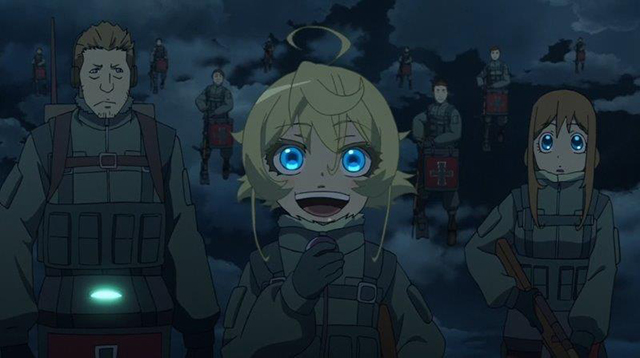
The Saga of Tanya the Evil: A Gripping Isekai War Story

seaflog.com – The Saga of Tanya the Evil (Youjo Senki) distinguishes itself within the isekai genre by its grim and militaristic setting. Unlike many isekai stories that focus on lighthearted adventures or wish fulfillment, Tanya the Evil plunges viewers into the brutal realities of war, offering a dark and thought-provoking narrative.

Reincarnated as a Little Girl in a World at War

The story centers around an unnamed Japanese salaryman who, after being pushed in front of a train, is confronted by a self-proclaimed god (Being X). The salaryman, an ardent rationalist, refuses to believe in this divine entity. As punishment, he is reincarnated as a young girl named Tanya Degurechaff in an alternate world resembling early 20th-century Europe, embroiled in a devastating world war.   

A Ruthless and Calculating Soldier

Tanya, retaining the memories and pragmatic mindset of her previous life, quickly rises through the ranks of the Imperial Army due to her exceptional magical abilities and tactical genius. Despite her child-like appearance, she is a ruthless and calculating soldier who prioritizes efficiency and achieving her objectives, often at any cost. Her sole goal is to climb the military ladder and live a comfortable life, free from the chaos of war, but fate, or rather Being X, seems determined to keep her on the front lines.   

Exploring Themes of War, Faith, and Pragmatism

The Saga of Tanya the Evil delves into complex themes of war, faith, and the conflict between pragmatism and idealism. The series explores the horrors of war from a unique perspective, highlighting the psychological toll it takes on individuals and the moral compromises that are often made in the name of victory. The constant struggle between Tanya’s rational worldview and the influence of Being X adds a philosophical layer to the narrative.

A Must-Watch for Fans of Military History and Dark Fantasy

With its compelling characters, intricate plot, and exploration of mature themes, The Saga of Tanya the Evil offers a captivating and unsettling viewing experience. It appeals to fans of military history, dark fantasy, and those seeking an isekai story that breaks the mold. The series’ unique blend of genres and its unflinching portrayal of war make it a truly memorable anime.

The Girl in the Kremlin: Cold War – A Fictional Twist on History

seaflog.com – Released in 1957, “The Girl in the Kremlin” is a Cold War thriller that takes a fictional spin on the life of Joseph Stalin. The film, directed by Russell Birdwell and starring Lex Barker, Zsa Zsa Gabor, and Jeffrey Stone, weaves a tale of intrigue, espionage, and a shocking twist on historical events.   

Plot Summary

The film begins in 1953, where it’s suggested that Stalin, rather than dying of natural causes, fakes his own death and undergoes plastic surgery to escape the imminent downfall of his regime. He then retreats to a secret hideout in Greece, where he is tended to by a young woman named Greta Grisenko.   

Meanwhile, in Berlin, a private investigator named Steve Anderson is hired by Lili Grisenko, Greta’s twin sister. Lili seeks Anderson’s help in finding Greta, who was abducted by Soviet forces during the invasion of Lithuania. As Anderson delves deeper into the case, he uncovers a web of secrets and conspiracies that lead him to believe that Stalin may still be alive and pulling the strings of power from the shadows.   

A Product of the Cold War Era

“The Girl in the Kremlin” is a quintessential product of the Cold War era, capitalizing on the public’s fascination with the Soviet Union and its enigmatic leader. The film taps into the paranoia and fear that permeated the Cold War, presenting a world where the lines between truth and fiction are blurred.

The film’s portrayal of Stalin as a cunning and manipulative figure aligns with the Cold War narrative of the Soviet Union as a monolithic and oppressive force. By suggesting that Stalin could have survived his supposed death and continued to exert influence, the film adds a layer of suspense and intrigue to the historical figure.

Critical Reception and Legacy

Upon its release, “The Girl in the Kremlin” received mixed reviews from critics. While some praised its suspenseful plot and intriguing premise, others criticized its implausible storyline and lack of historical accuracy.

Despite its mixed reception, the film has garnered a cult following over the years. Its unique blend of espionage, historical fiction, and Cold War paranoia continues to appeal to audiences who appreciate its campy charm and over-the-top plot twists.

A Fascinating Piece of Cold War Cinema

“The Girl in the Kremlin” is a fascinating artifact of Cold War cinema. While it may not be a historically accurate portrayal of Stalin or the Soviet Union, it offers a glimpse into the anxieties and fears of the era. As a piece of popular culture, the film reflects the public’s desire to make sense of the complex and often frightening world of the Cold War.

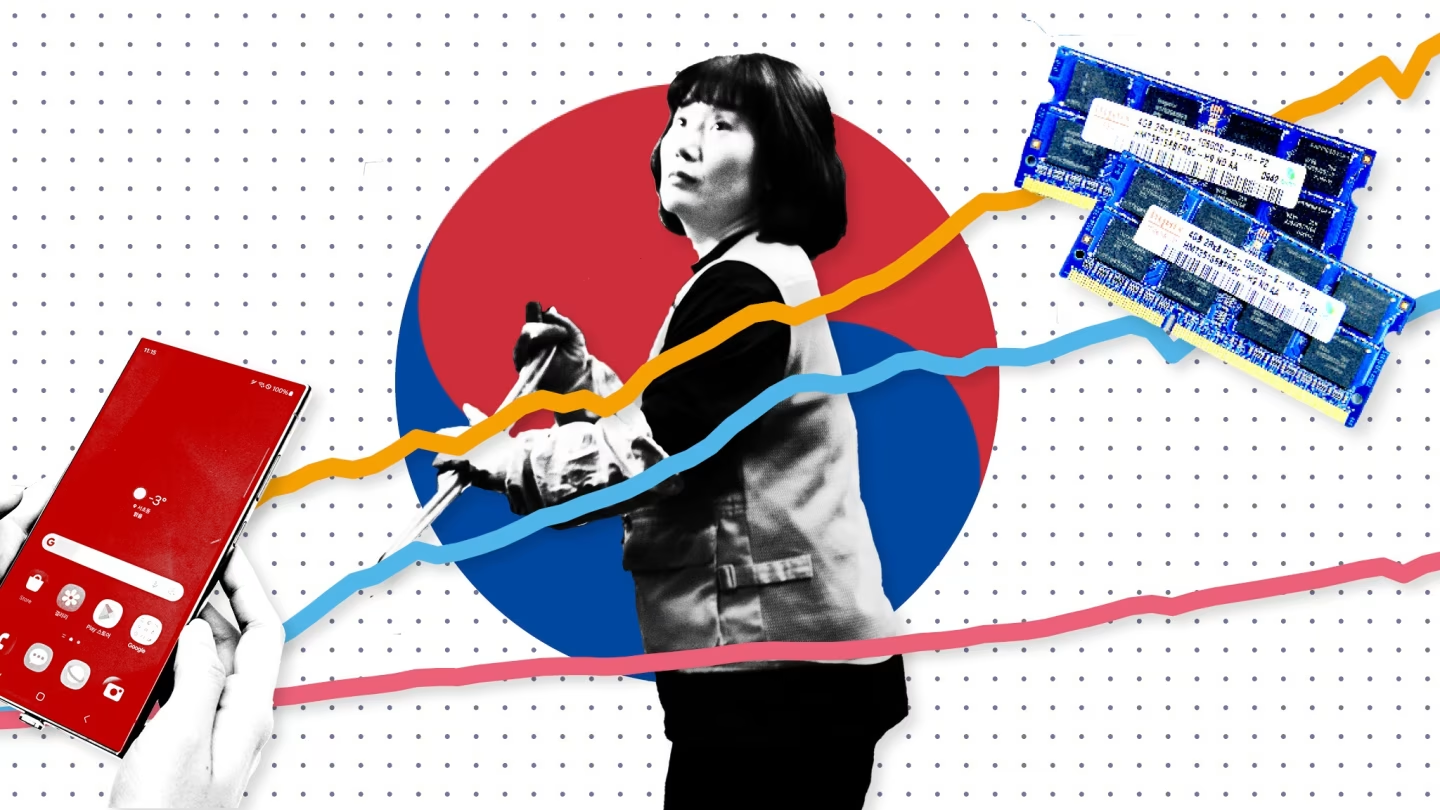
From War to Wealth: The Korean Economic Miracle

seaflog.com – The Korean Economic Miracle, often referred to as the Miracle on the Han River, is a remarkable tale of resilience, determination, and strategic planning that transformed South Korea from a war-torn country into one of the world’s leading economies. This article delves into the journey of South Korea, from the ashes of the Korean War to its current status as a global economic powerhouse.

The Aftermath of the Korean War

In 1953, the Korean War ended, leaving the Korean Peninsula divided and South Korea in ruins. The economy was in shambles, with widespread poverty, a lack of infrastructure, and a reliance on agricultural production. The country’s per capita income was one of the lowest in the world, and the future looked bleak.

The Foundation of Economic Growth

The journey towards economic recovery began with the establishment of a strong, centralized government that prioritized economic development. The government implemented land reforms, redistributing land to farmers, which increased agricultural productivity and laid the groundwork for a stable society.

Export-Oriented Industrialization

The turning point in South Korea’s economic transformation came with the adoption of an export-oriented industrialization strategy in the 1960s. The government invested heavily in key industries such as steel, shipbuilding, and electronics, providing subsidies, low-interest loans, and tax incentives to encourage growth. This strategy was supported by a highly educated and motivated workforce, willing to work long hours for relatively low wages.

The Role of Chaebols

Central to South Korea’s economic success were the chaebols, large family-owned conglomerates such as Samsung, Hyundai, and LG. These businesses received government support and grew rapidly, becoming global leaders in technology, automobiles, and consumer electronics. The chaebols played a crucial role in diversifying the economy and driving innovation.

Education and Human Capital

Investment in education was a cornerstone of South Korea’s development strategy. The government and society placed a high value on education, leading to a highly skilled and educated workforce. This emphasis on human capital was instrumental in the country’s ability to transition from labor-intensive to technology-intensive industries.

Overcoming Challenges

The path to economic prosperity was not without its challenges. South Korea faced global economic downturns, political upheavals, and the need for economic restructuring. However, the resilience of the Korean people, combined with government policies that adapted to changing global economic conditions, helped the country navigate these difficulties.

The Global Impact

Today, South Korea is a member of the OECD and the G-20, and its products and culture are recognized worldwide. The Korean Wave, or Hallyu, has spread Korean music, television dramas, and cinema across the globe, further enhancing the country’s soft power.

Conclusion

The Korean Economic Miracle is a testament to what can be achieved with a combination of government leadership, strategic planning, and the hard work of a dedicated population. South Korea’s journey from war to wealth offers valuable lessons for other developing countries aspiring to achieve similar economic transformations. As South Korea continues to evolve, it remains a shining example of how a nation can rise from the ashes of conflict to become a beacon of prosperity and innovation on the world stage.