The Girl in the Kremlin: Cold War – A Fictional Twist on History

seaflog.com – Released in 1957, “The Girl in the Kremlin” is a Cold War thriller that takes a fictional spin on the life of Joseph Stalin. The film, directed by Russell Birdwell and starring Lex Barker, Zsa Zsa Gabor, and Jeffrey Stone, weaves a tale of intrigue, espionage, and a shocking twist on historical events.   

Plot Summary

The film begins in 1953, where it’s suggested that Stalin, rather than dying of natural causes, fakes his own death and undergoes plastic surgery to escape the imminent downfall of his regime. He then retreats to a secret hideout in Greece, where he is tended to by a young woman named Greta Grisenko.   

Meanwhile, in Berlin, a private investigator named Steve Anderson is hired by Lili Grisenko, Greta’s twin sister. Lili seeks Anderson’s help in finding Greta, who was abducted by Soviet forces during the invasion of Lithuania. As Anderson delves deeper into the case, he uncovers a web of secrets and conspiracies that lead him to believe that Stalin may still be alive and pulling the strings of power from the shadows.   

A Product of the Cold War Era

“The Girl in the Kremlin” is a quintessential product of the Cold War era, capitalizing on the public’s fascination with the Soviet Union and its enigmatic leader. The film taps into the paranoia and fear that permeated the Cold War, presenting a world where the lines between truth and fiction are blurred.

The film’s portrayal of Stalin as a cunning and manipulative figure aligns with the Cold War narrative of the Soviet Union as a monolithic and oppressive force. By suggesting that Stalin could have survived his supposed death and continued to exert influence, the film adds a layer of suspense and intrigue to the historical figure.

Critical Reception and Legacy

Upon its release, “The Girl in the Kremlin” received mixed reviews from critics. While some praised its suspenseful plot and intriguing premise, others criticized its implausible storyline and lack of historical accuracy.

Despite its mixed reception, the film has garnered a cult following over the years. Its unique blend of espionage, historical fiction, and Cold War paranoia continues to appeal to audiences who appreciate its campy charm and over-the-top plot twists.

A Fascinating Piece of Cold War Cinema

“The Girl in the Kremlin” is a fascinating artifact of Cold War cinema. While it may not be a historically accurate portrayal of Stalin or the Soviet Union, it offers a glimpse into the anxieties and fears of the era. As a piece of popular culture, the film reflects the public’s desire to make sense of the complex and often frightening world of the Cold War.

The Secret Archives: Unveiling History’s Hidden Documents

seaflog.com – History is not just a record of events; it is a collection of stories, secrets, and hidden truths. Buried within the walls of ancient libraries, monasteries, and government vaults are documents that have the power to rewrite our understanding of the past. These secret archives, filled with hidden manuscripts, lost letters, and confidential records, offer a glimpse into the lives of historical figures and the societies they inhabited. This article explores the fascinating world of secret archives and the hidden documents that continue to shape our understanding of history.

The Vatican Secret Archives

One of the most renowned secret archives in the world is the Vatican Secret Archives. Established in the 17th century, this archive contains a wealth of documents that shed light on the inner workings of the Catholic Church and its influence on world events. From papal decrees to diplomatic correspondence, these documents offer a unique insight into the religious and political landscape of past centuries.

The British Library’s Hidden Collections

The British Library is home to a vast collection of hidden documents that span centuries of history. From ancient manuscripts to modern-day letters, these collections include items that have been forgotten, suppressed, or simply overlooked. The discovery and analysis of these documents have the potential to reveal new perspectives on historical events and figures.

The National Archives and the Secrets of Governments

National archives around the world are repositories of government secrets, containing documents that have been classified or hidden from public view. These archives hold the keys to understanding the decisions made by governments, the strategies employed during wars, and the personal lives of political leaders. The declassification and release of these documents can lead to significant historical revelations.

The Role of Digital Archives in Unveiling Hidden History

In the digital age, the concept of secret archives has evolved to include online platforms and digital collections. These digital archives provide access to a wealth of historical documents that were previously inaccessible to the general public. From digitized manuscripts to online databases, these resources are democratizing the study of history and enabling new discoveries.

The Impact of Secret Archives on Historical Research

The existence of secret archives has a profound impact on historical research. Scholars and researchers must navigate the complexities of accessing these hidden documents, dealing with issues of preservation, authentication, and interpretation. The unveiling of these documents can challenge existing historical narratives, prompting a reevaluation of established facts and theories.

Conclusion

The secret archives of the world hold the keys to understanding our past. From the Vatican Secret Archives to the digital collections of the British Library, these repositories of hidden documents offer a glimpse into the lives of historical figures and the societies they inhabited. As we continue to uncover and analyze these documents, we gain a deeper understanding of the complexities of history and the hidden truths that shape our world.

Latvia: A Natural History – The Ancient Forests of Latvia

seaflog.com – Latvia, a country nestled in the Baltic region of Northern Europe, boasts a rich and diverse natural history that spans from its ancient forests to its serene coastal landscapes. This article delves into the varied ecosystems and the myriad of wildlife that call Latvia home, offering a glimpse into the natural tapestry that defines this beautiful country.

The Ancient Forests of Latvia

Latvia’s forests are among the oldest and most pristine in Europe, covering nearly half of the country. These woodlands are dominated by coniferous trees such as spruce, pine, and fir, with deciduous species like oak and birch interspersed throughout. The ancient forests of Latvia are not only a vital carbon sink but also a sanctuary for a wide array of wildlife, including the iconic European bison, lynx, and wolves.

Wetlands and Waterways

The country’s extensive network of wetlands and waterways plays a crucial role in its ecological diversity. The largest of these, the Ķemeri National Park, is a Ramsar site known for its peat bogs, marshes, and lakes, which are critical habitats for numerous bird species, including the endangered aquatic warbler and the great snipe. The Gauja River, meandering through the heart of Latvia, supports a rich aquatic ecosystem and is a popular destination for kayaking and fishing.

Coastal Ecosystems

Latvia’s coastline along the Baltic Sea is a mosaic of sandy beaches, dunes, and coastal meadows. The coastal ecosystems are home to unique flora and fauna, such as the sand lily and the natterjack toad. The beaches of Jūrmala, a popular resort town, are a nesting ground for various bird species, including the common tern and the little ringed plover.

Conservation Efforts

Conservation in Latvia is a priority, with numerous protected areas and national parks established to preserve the country’s natural heritage. The establishment of the European Bison Breeding Centre in Pļaviņas is a testament to Latvia’s commitment to wildlife conservation. The centre has played a pivotal role in the reintroduction of the European bison, a species that was once on the brink of extinction.

Wildlife of Latvia

Latvia’s diverse ecosystems support a rich variety of wildlife. In addition to the European bison, the country is home to other large mammals such as moose, red deer, and wild boar. The forests and wetlands are a haven for smaller creatures, including the flying squirrel, various bat species, and a plethora of insect life. Birdwatchers are drawn to Latvia for the chance to spot rare species such as the white-tailed eagle, the western capercaillie, and the black stork.

Conclusion

Latvia’s natural history is a testament to the country’s commitment to preserving its ecosystems and wildlife. From the ancient forests to the coastal dunes, Latvia offers a unique blend of natural beauty and biodiversity. As the country continues to invest in conservation efforts, it remains a vital sanctuary for Europe’s wildlife and a must-visit destination for nature enthusiasts.

From Colonialism to Independence: The History of The Gambia

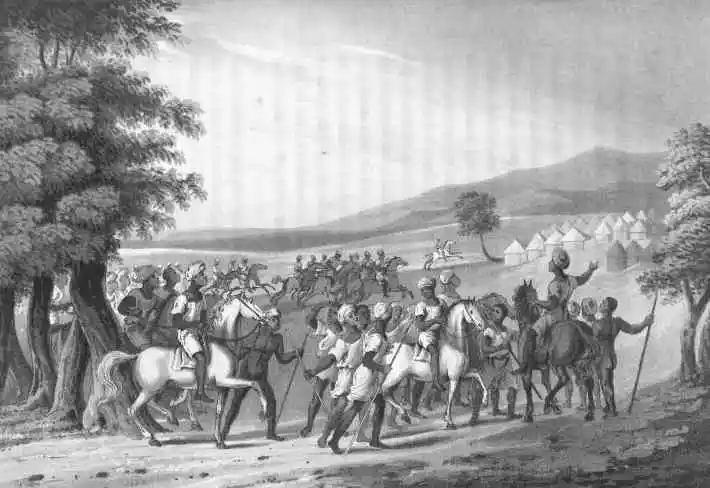
seaflog.com – The Gambia’s history dates back to ancient times, with evidence of human settlement along the banks of the Gambia River. Before European contact, the area was inhabited by various ethnic groups, including the Mandinka, Fula, Wolof, and Jola, who engaged in agriculture, fishing, and trade. The arrival of Portuguese explorers in the 15th century marked the beginning of European influence in the region. They were followed by other European powers, such as the French and British, who established trading posts along the river, primarily for the lucrative slave trade.

British Colonial Rule

The Gambia officially became a British colony in 1821, initially serving as a base for British anti-slavery patrols. The colonial administration centered around the settlement of Bathurst (now Banjul), which was established as the capital. Under British rule, The Gambia’s economy was restructured to focus on the production of groundnuts (peanuts), which became the main export crop. The colonial government also introduced a legislative council in the early 20th century, which included some African members, laying the groundwork for limited political participation.

The Road to Independence

The push for independence in The Gambia gained momentum in the post-World War II era, as African nationalist movements across the continent demanded an end to colonial rule. In The Gambia, this movement was led by figures such as Pierre Sarr N’Jie and, most notably, Dawda Jawara, who founded the People’s Progressive Party (PPP) in 1959. The PPP won a majority in the legislative council elections, and Jawara became the first Prime Minister of the self-governing colony in 1962.

Independence and the Republic

The Gambia achieved full independence from the United Kingdom on February 18, 1965, with Dawda Jawara as its first Prime Minister. The country initially remained within the British Commonwealth, with Queen Elizabeth II as the head of state, represented by a Governor-General. In 1970, The Gambia became a republic within the Commonwealth, and Jawara was elected as its first President.

Post-Independence Challenges

Following independence, The Gambia faced several challenges, including economic difficulties, political instability, and coups. Despite these challenges, The Gambia maintained a reputation as one of the most stable and democratic countries in West Africa, largely due to Jawara’s leadership. However, this stability was shaken in 1981 when a coup attempt forced Jawara to seek military assistance from Senegal, leading to the short-lived Senegambia Confederation.

The 21st Century

In the 21st century, The Gambia continued to navigate the complexities of post-colonial governance. The presidency of Yahya Jammeh, who came to power in a 1994 coup, was marked by authoritarian rule and allegations of human rights abuses. Jammeh’s refusal to accept defeat in the 2016 presidential election led to a political crisis, which was resolved with his exile and the inauguration of Adama Barrow as the new President.

Conclusion

The history of The Gambia is a testament to the resilience and determination of its people. From the days of colonial rule to the challenges of independence and beyond, Gambians have strived to build a nation that is peaceful, democratic, and prosperous. As The Gambia continues to evolve, it carries forward the lessons of its past, working to secure a brighter future for all its citizens.

From Colonial Past to Modern Nation: The History of Jamaica

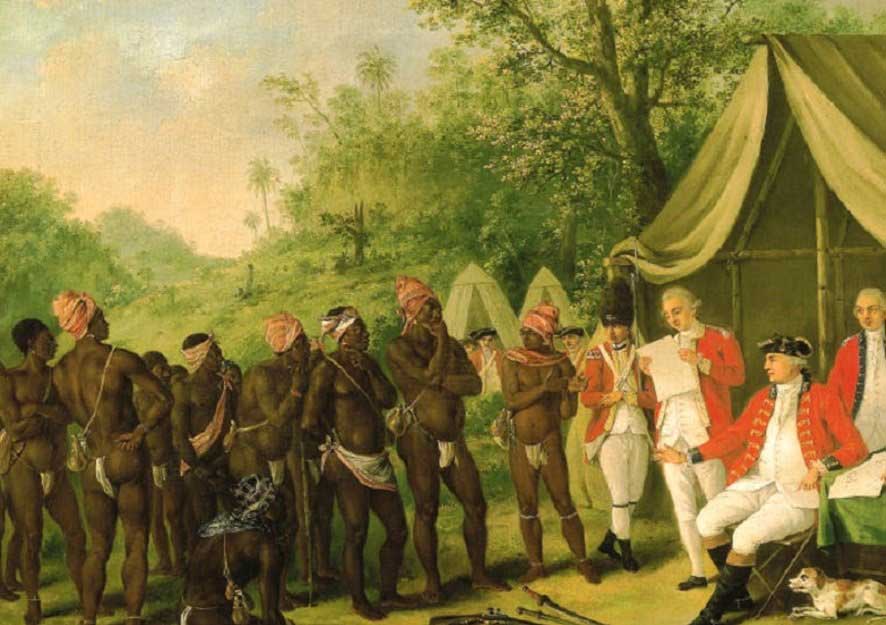
seaflog.com – Before the arrival of Europeans, Jamaica was inhabited by the Arawak and Taino people, who had migrated from South America. These indigenous peoples lived in harmony with the island’s natural resources, cultivating crops and fishing. However, their way of life was disrupted in 1494 when Christopher Columbus claimed the island for Spain during his second voyage to the Americas.

Spanish Colonial Rule

The Spanish established control over Jamaica, using it as a base for further exploration and exploitation of the New World. They introduced African slaves to work on plantations, which became the backbone of the island’s economy. The Spanish period was marked by harsh treatment of both the indigenous population and the enslaved Africans, leading to significant demographic changes.

British Takeover and the Plantation Economy

In 1655, the British captured Jamaica from the Spanish during the Anglo-Spanish War. The British expanded the plantation system, growing sugar cane as the primary export. This period saw the island’s economy flourish, but at a great cost to the African slaves, who were brought in large numbers to work under brutal conditions.

The Struggle for Emancipation

The 18th and 19th centuries were marked by increasing resistance to slavery. Notable uprisings, such as Tacky’s Rebellion in 1760 and the Baptist War in 1831, demonstrated the slaves’ desire for freedom. The British government eventually abolished slavery in Jamaica in 1834, although a period of “apprenticeship” followed, which was not fully abolished until 1838.

The Road to Independence

The late 19th and early 20th centuries saw the rise of nationalist movements in Jamaica. The island was granted a degree of self-governance in the early 20th century, but the push for full independence continued. After World War II, the movement gained momentum, leading to Jamaica’s independence from Britain on August 6, 1962.

Modern Jamaica

Since gaining independence, Jamaica has worked to establish itself as a modern nation. It has faced challenges such as economic instability, political unrest, and social issues, but has also made significant strides in areas such as culture, sports, and tourism. The country is known globally for its music, particularly reggae, and its athletes have excelled on the international stage.

Conclusion

The history of Jamaica is a testament to the resilience and spirit of its people. From the indigenous inhabitants to the African slaves, and from colonial rule to modern independence, Jamaica’s journey is one of struggle, resilience, and ultimately, triumph. Today, Jamaica stands proudly as a sovereign nation, with a rich cultural heritage and a bright future ahead.

The History of Science: Discoveries and Breakthroughs

seaflog.com – The history of science is a tale of relentless curiosity, groundbreaking discoveries, and transformative breakthroughs that have shaped our understanding of the world and the universe. From ancient civilizations to the modern era, the quest for knowledge has driven humanity to explore, experiment, and theorize, leading to advancements that have revolutionized society.

Ancient Beginnings

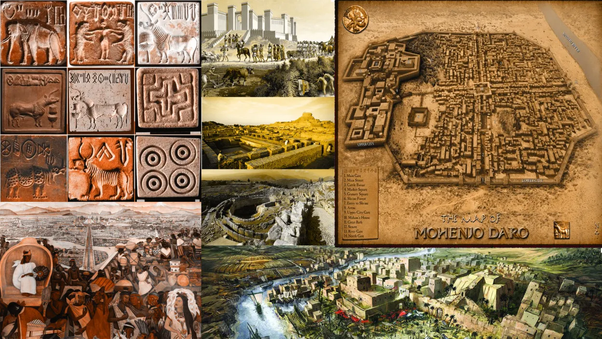
The roots of scientific inquiry stretch back to ancient Mesopotamia, Egypt, India, and China, where early civilizations developed practical knowledge in agriculture, mathematics, and astronomy. The Babylonians, for instance, had a sophisticated understanding of the night sky, recording celestial events that would later inform the work of astronomers like Ptolemy.

In ancient Greece, the scientific method began to take shape. Philosophers like Aristotle and Plato laid the groundwork for systematic observation and reasoning. Archimedes made significant contributions to mathematics and physics, while Hippocrates is known as the father of medicine for his emphasis on observation and rational treatment of disease.

The Golden Age of Islam

From the 8th to the 14th century, the Islamic world was a center of scientific innovation. Scholars like Alhazen (Ibn al-Haytham) conducted groundbreaking work in optics, while Al-Biruni made significant contributions to geography and geology. The preservation and translation of ancient Greek texts by Islamic scholars would later fuel the Renaissance in Europe.

The Scientific Revolution

The Renaissance, a period of cultural rebirth in Europe, also marked the beginning of the Scientific Revolution. Nicolaus Copernicus proposed the heliocentric model of the solar system, challenging the Earth-centered view of the cosmos. Johannes Kepler formulated the laws of planetary motion, and Galileo Galilei’s observations with the telescope provided evidence for these new theories.

Isaac Newton’s laws of motion and universal gravitation were monumental breakthroughs that unified the physics of heavenly bodies and earthly objects. The Enlightenment that followed saw further advancements in chemistry, biology, and physics, with figures like Antoine Lavoisier, Charles Darwin, and Michael Faraday making significant contributions to their respective fields.

The 19th and 20th Centuries

The 19th century was marked by the Industrial Revolution, which was fueled by scientific discoveries in thermodynamics, electricity, and chemistry. The theory of evolution by natural selection, proposed by Charles Darwin, revolutionized the field of biology and our understanding of life on Earth.

The 20th century brought about even more profound changes with the advent of quantum mechanics and the theory of relativity, developed by Max Planck, Niels Bohr, Werner Heisenberg, and Albert Einstein, among others. These theories fundamentally altered our understanding of the universe at both the smallest and largest scales.

The Digital Age and Beyond

In the late 20th and early 21st centuries, the digital revolution has transformed science and society. The development of computers, the internet, and artificial intelligence has accelerated the pace of scientific discovery and data analysis. Breakthroughs in genetics, such as the mapping of the human genome, have opened new frontiers in medicine and biology.

Today, scientists continue to explore the mysteries of the cosmos with missions like the Hubble Space Telescope and the James Webb Space Telescope, while also delving into the intricacies of the human brain through neuroscience. The ongoing quest for sustainable energy and solutions to climate change are among the most pressing challenges for contemporary science.

Conclusion

The history of science is a testament to human ingenuity and the relentless pursuit of understanding. Each discovery and breakthrough has built upon the knowledge of the past, pushing the boundaries of what is known and what is possible. As we look to the future, the legacy of these achievements will continue to inspire new generations of scientists to explore the unknown and solve the challenges of tomorrow.