Painted Skin: A Modern Take on Classic Chinese Mythology

seaflog.com – Released in 2008, Painted Skin is a supernatural-fantasy film directed by Gordon Chan, featuring a star-studded cast including Donnie Yen, Zhou Xun, Chen Kun, Zhao Wei, Sun Li, and Qi Yuwu. Loosely based on the classic Chinese tale “The Painted Skin” from Pu Songling’s “Strange Stories from a Chinese Studio,” the film blends elements of romance, action, and horror to create a compelling cinematic experience. This article delves into the film’s narrative, themes, and its cultural significance.

Plot Overview: Love and Deception

The story revolves around a beautiful fox spirit, Xiao Wei (played by Zhou Xun), who disguises herself as a human woman. To maintain her human appearance, she consumes human hearts. Xiao Wei’s life becomes entangled with General Wang Sheng (played by Chen Kun) and his wife, Pei Rong (played by Zhao Wei), leading to a complex web of love, betrayal, and supernatural intrigue. As the plot unfolds, the film explores the boundaries between love and deception, with Xiao Wei’s desires threatening to unravel the lives of those around her.

Themes: The Nature of Humanity and Love

At its core, Painted Skin examines the nature of humanity and the complexities of love. The film poses questions about identity and the masks people wear to conceal their true selves. Through the character of Xiao Wei, it explores the duality of human nature and the conflict between one’s desires and societal norms.

The film also delves into the concept of sacrifice in love, as characters grapple with their feelings and the consequences of their actions. The interplay between Xiao Wei, Wang Sheng, and Pei Rong highlights the struggles of love when faced with supernatural and moral dilemmas.

Cinematic Elements: Visuals and Performances

Painted Skin is visually striking, with a rich color palette and elaborate costumes that bring the fantastical elements of the story to life. The film’s special effects and action sequences are artfully crafted, enhancing the mythical atmosphere.

The performances of the lead actors add depth to the narrative. Zhou Xun’s portrayal of Xiao Wei captures the character’s inner conflict and allure, while Chen Kun and Zhao Wei provide strong performances as the devoted yet conflicted couple.

Cultural Impact and Reception

Upon its release, Painted Skin was well-received in China and internationally, praised for its unique blend of genres and its modern retelling of a classic tale. The film sparked interest in Chinese folklore and mythology, contributing to a renewed appreciation for traditional stories within contemporary cinema.

Conclusion: A Modern Classic

Painted Skin stands out as a modern classic that successfully bridges the gap between ancient folklore and modern filmmaking. Its exploration of timeless themes through a fantastical lens makes it a captivating film that resonates with audiences. As a testament to the enduring power of storytelling, Painted Skin continues to enchant viewers with its blend of romance, action, and supernatural intrigue.
From Colonial Past to Modern Nation: The History of Jamaica

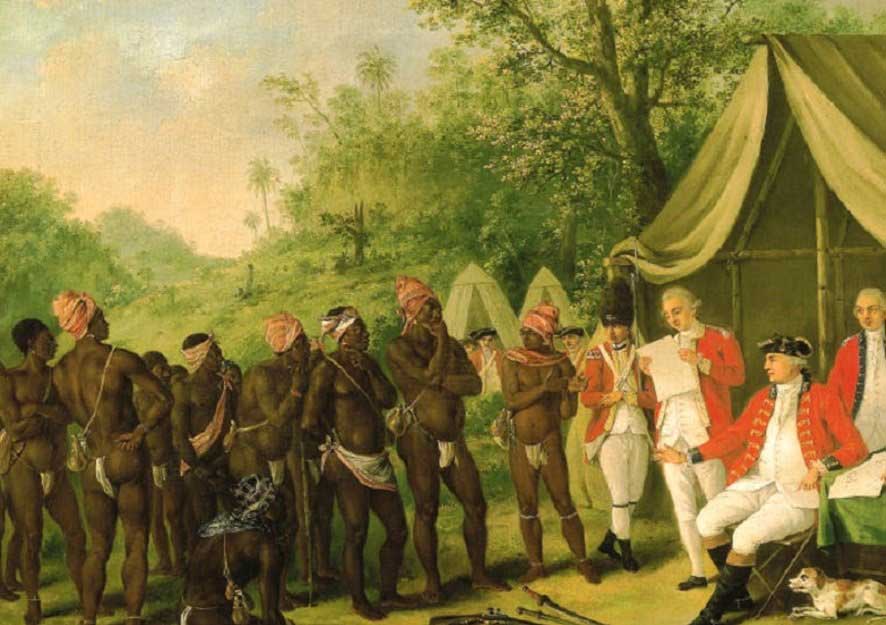
seaflog.com – Before the arrival of Europeans, Jamaica was inhabited by the Arawak and Taino people, who had migrated from South America. These indigenous peoples lived in harmony with the island’s natural resources, cultivating crops and fishing. However, their way of life was disrupted in 1494 when Christopher Columbus claimed the island for Spain during his second voyage to the Americas.

Spanish Colonial Rule

The Spanish established control over Jamaica, using it as a base for further exploration and exploitation of the New World. They introduced African slaves to work on plantations, which became the backbone of the island’s economy. The Spanish period was marked by harsh treatment of both the indigenous population and the enslaved Africans, leading to significant demographic changes.

British Takeover and the Plantation Economy

In 1655, the British captured Jamaica from the Spanish during the Anglo-Spanish War. The British expanded the plantation system, growing sugar cane as the primary export. This period saw the island’s economy flourish, but at a great cost to the African slaves, who were brought in large numbers to work under brutal conditions.

The Struggle for Emancipation

The 18th and 19th centuries were marked by increasing resistance to slavery. Notable uprisings, such as Tacky’s Rebellion in 1760 and the Baptist War in 1831, demonstrated the slaves’ desire for freedom. The British government eventually abolished slavery in Jamaica in 1834, although a period of “apprenticeship” followed, which was not fully abolished until 1838.

The Road to Independence

The late 19th and early 20th centuries saw the rise of nationalist movements in Jamaica. The island was granted a degree of self-governance in the early 20th century, but the push for full independence continued. After World War II, the movement gained momentum, leading to Jamaica’s independence from Britain on August 6, 1962.

Modern Jamaica

Since gaining independence, Jamaica has worked to establish itself as a modern nation. It has faced challenges such as economic instability, political unrest, and social issues, but has also made significant strides in areas such as culture, sports, and tourism. The country is known globally for its music, particularly reggae, and its athletes have excelled on the international stage.

Conclusion

The history of Jamaica is a testament to the resilience and spirit of its people. From the indigenous inhabitants to the African slaves, and from colonial rule to modern independence, Jamaica’s journey is one of struggle, resilience, and ultimately, triumph. Today, Jamaica stands proudly as a sovereign nation, with a rich cultural heritage and a bright future ahead.

From Ancient Athens to Modern Governments

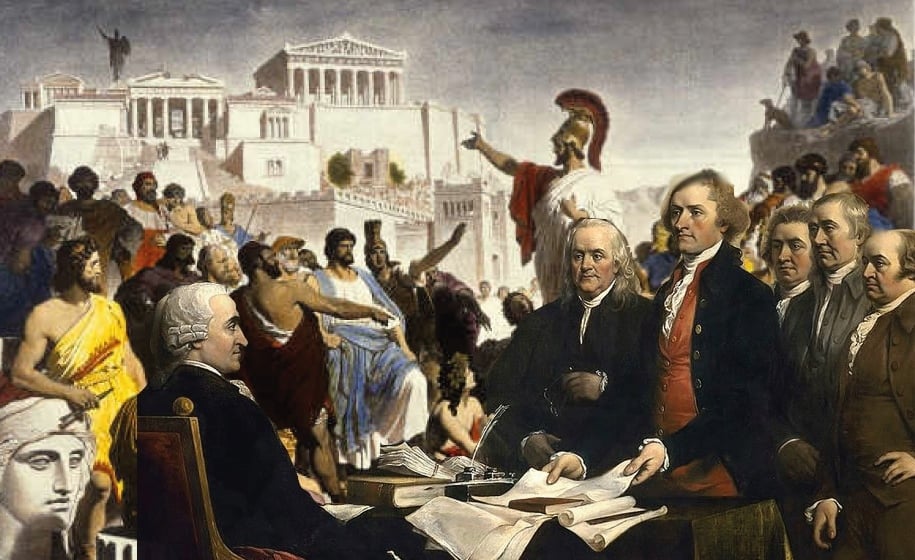
seaflog.com – Democracy, a system of government by the whole population or all the eligible members of a state, typically through elected representatives, is one of the most enduring and influential political systems in human history. Its roots can be traced back to ancient Athens, where it was first conceived and practiced in a form that is quite distinct from the democracies of today. This article explores the fascinating journey of democracy from its inception in the city-state of Athens to its modern-day manifestations in various governments around the world.

The Birth of Democracy in Ancient Athens

The concept of democracy was born in Athens in the 5th century BCE. The Athenian democracy was direct, meaning that all citizens gathered in the assembly to vote on legislation and to select magistrates by lot. This form of government was revolutionary for its time, as it allowed for a level of political participation that had never been seen before. However, it’s important to note that the Athenian definition of “citizens” was quite limited; it excluded women, slaves, and foreigners.

The Spread and Adaptation of Democratic Ideas

After the fall of the Roman Empire, democratic ideas were largely suppressed in Europe until the Renaissance, when they began to re-emerge. The Enlightenment further fueled the spread of democratic ideals, with philosophers like John Locke and Jean-Jacques Rousseau advocating for the rights of individuals and the importance of consent in governance.

The American and French Revolutions

The American and French Revolutions of the late 18th century were pivotal moments in the evolution of democracy. The United States Constitution, drafted in 1787, established a federal republic with a system of checks and balances, while the French Revolution led to the Declaration of the Rights of Man and of the Citizen, which proclaimed the equality of all men before the law.

The 19th and 20th Centuries: Expansion and Challenges

The 19th and 20th centuries saw the expansion of democratic principles to include broader segments of the population. Universal suffrage, the right to vote for all adults regardless of gender, race, or property ownership, became a central goal for democratic movements worldwide. However, this period also saw significant challenges to democracy, including the rise of totalitarian regimes and two world wars.

Modern Democracies: Diversity and Complexity

Today, democracy exists in a variety of forms, from parliamentary systems like those in the United Kingdom and Germany to presidential systems like the one in the United States. Modern democracies are characterized by their commitment to civil liberties, the rule of law, and regular, free, and fair elections. However, they also face new challenges, including the rise of populism, the impact of social media on political discourse, and the struggle to balance security with individual freedoms.

Conclusion

The evolution of democracy from its ancient roots in Athens to its modern-day incarnations is a testament to its resilience and adaptability. While the core principles of democracy remain constant—government by the people, for the people—the practice of democracy continues to evolve in response to new challenges and changing societal needs. As we look to the future, it is clear that the story of democracy is far from over, and its evolution will continue to shape the political landscape for generations to come.