The Ancient Maritime Diet: Phoenician Feasts

seaflog.com – The Phoenicians, an ancient civilization known for their seafaring skills and expansive trade networks, had a unique culinary heritage that was heavily influenced by their maritime lifestyle. Located along the Mediterranean coast, they were adept at utilizing the rich resources of the sea and land, crafting a diet that supported their active, trade-focused way of life.

The Maritime Influence on the Phoenician Diet

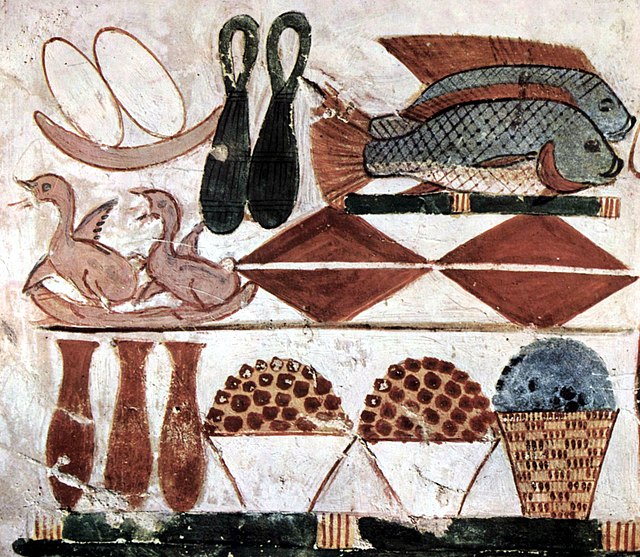
The sea was central to Phoenician life, providing an abundance of seafood that formed a significant part of their diet. Fish, mollusks, and crustaceans were commonly consumed and often preserved through salting and drying techniques, allowing them to be stored for long voyages or traded with other cultures. The Phoenicians were also skilled in making garum, a fermented fish sauce that was a popular condiment across the Mediterranean.

Agricultural Riches and Trade Goods

While the sea supplied much of their protein, the fertile land around Phoenician settlements supported the cultivation of grains, fruits, and vegetables. Olives and grapes were particularly important, with olive oil and wine being staples of their diet and valuable trade goods. The Phoenicians’ extensive trade networks enabled them to access and incorporate exotic spices and ingredients from distant lands, enriching their culinary traditions.

Social and Cultural Significance of Feasts

Feasting was an integral part of Phoenician culture, serving as a means of reinforcing social bonds and demonstrating wealth and hospitality. These gatherings often featured an array of dishes showcasing their diverse diet, from seafood delicacies to richly flavored stews and breads. Feasts were also occasions for religious and ceremonial events, reflecting the Phoenicians’ spiritual beliefs and societal structures.

Conclusion

The Phoenician diet was a testament to their maritime prowess and adaptability, blending the bounty of the sea with the fruits of their agricultural and trade endeavors. Through their feasts, the Phoenicians not only nourished themselves but also celebrated their cultural identity and social cohesion. Their culinary legacy offers a glimpse into the vibrant life of one of the ancient world’s most influential seafaring peoples.

Women’s Rights in Ancient Indian Society

seaflog.com – The status of women in ancient Indian society has been a subject of extensive study and debate. Ancient India, like many other ancient civilizations, had a complex and evolving social structure that influenced the rights and roles of women. This article explores the various aspects of women’s rights in ancient Indian society, highlighting both the positive and negative aspects of their status.

Economic and Legal Rights

In ancient India, women had certain economic and legal rights, particularly in the early Vedic period. Women were allowed to own and inherit property, and they could participate in economic activities. The Manusmriti, an ancient legal text, recognized the rights and responsibilities of women, although it also imposed certain societal norms and restrictions.

Social and Cultural Status

The social and cultural status of women in ancient India varied across different periods and regions. In the early Vedic period, women were treated with respect and dignity. They were considered equal to men and were honored in society. Women like Gargi, Maitreyi, Sita, Draupadi, and Alapa were highly respected and played significant roles in their communities.

However, the status of women declined in the later Vedic period and during the medieval era. The Manusmriti and other texts imposed strict patriarchal values, limiting women’s rights and freedoms. Women were expected to be subservient to their fathers, husbands, and sons, and were often denied the right to education and participation in religious rituals.

Religious and Spiritual Roles

In ancient Indian society, women also held important religious and spiritual roles. They were allowed to participate in religious ceremonies and were considered essential for the performance of rituals. The concept of women as “Janani” (mother) and “Devi” (goddess) highlighted their revered status in Hinduism.

Challenges and Discrimination

Despite the positive aspects, women in ancient India faced significant challenges and discrimination. The practice of Sati, where widows were expected to immolate themselves on their husband’s funeral pyre, was a stark example of the oppressive practices that existed. Additionally, the institution of the dowry and the preference for male children led to the neglect and mistreatment of women.

Conclusion

The status of women in ancient Indian society was a complex interplay of respect, rights, and restrictions. While women enjoyed certain privileges and were honored in some aspects of society, they also faced significant discrimination and oppression. Understanding this historical context is crucial for appreciating the ongoing efforts to empower women in modern Indian society.

Scribe of the House of Life: Sacred Knowledge in Ancient Egypt

seaflog.com – Ancient Egypt was a civilization that revered knowledge and wisdom, particularly that which was considered sacred or divine. The House of Life, known in ancient Egyptian as “Per Ankh,” was a special institution where this sacred knowledge was collected, preserved, and studied. Scribes who worked in the House of Life held a unique position in Egyptian society, as they were entrusted with the care and dissemination of this knowledge. This article explores the role and significance of the scribe of the House of Life in ancient Egypt.

The House of Life: A Center of Learning and Wisdom

The House of Life was more than just a library; it was a repository of sacred knowledge that included religious texts, magical spells, medical treatises, and astronomical records. These institutions were attached to major temples and were overseen by high priests. The knowledge contained within the House of Life was believed to be essential for the maintenance of ma’at, the ancient Egyptian concept of truth, balance, and order in the world.

The Role of Scribes in the House of Life

Scribes who worked in the House of Life were among the most educated individuals in ancient Egypt. They were responsible for copying, editing, and illuminating texts, as well as conducting research and composing new works. These scribes had to be proficient in reading and writing hieroglyphs, hieratic, and demotic scripts, and they often specialized in particular fields such as medicine, magic, or astronomy.

The scribes of the House of Life played a crucial role in the transmission of knowledge from one generation to the next. They ensured that sacred texts were accurately copied and that the wisdom of the ancestors was preserved. They also contributed to the development of new knowledge by conducting experiments, observing the natural world, and recording their findings.

The Significance of the Scribe of the House of Life

The scribe of the House of Life was a key figure in the intellectual and religious life of ancient Egypt. Their work supported the religious rituals and magical practices that were central to Egyptian society. By maintaining and expanding the corpus of sacred knowledge, these scribes helped to ensure the continuity of Egyptian culture and the stability of the cosmos as understood by the ancient Egyptians.

Moreover, the scribes of the House of Life were instrumental in the education of priests and other scribes. They taught the necessary skills for reading and writing the various scripts, as well as the specialized knowledge required for different professions. This educational role helped to maintain a class of literate individuals who could serve the administrative, religious, and cultural needs of the society.

The Legacy of the Scribe of the House of Life

The legacy of the scribe of the House of Life is evident in the wealth of texts and artifacts that have survived from ancient Egypt. These materials provide modern scholars with invaluable insights into the beliefs, practices, and knowledge of the ancient Egyptians. The meticulous work of these scribes has ensured that the wisdom of ancient Egypt continues to be studied and appreciated thousands of years after it was first recorded.

In conclusion, the scribe of the House of Life was a vital member of ancient Egyptian society, responsible for the preservation and dissemination of sacred knowledge. Their contributions to the cultural, religious, and intellectual life of Egypt have left a lasting impact on the historical record and our understanding of this ancient civilization.

Latvia: A Natural History – The Ancient Forests of Latvia

seaflog.com – Latvia, a country nestled in the Baltic region of Northern Europe, boasts a rich and diverse natural history that spans from its ancient forests to its serene coastal landscapes. This article delves into the varied ecosystems and the myriad of wildlife that call Latvia home, offering a glimpse into the natural tapestry that defines this beautiful country.

The Ancient Forests of Latvia

Latvia’s forests are among the oldest and most pristine in Europe, covering nearly half of the country. These woodlands are dominated by coniferous trees such as spruce, pine, and fir, with deciduous species like oak and birch interspersed throughout. The ancient forests of Latvia are not only a vital carbon sink but also a sanctuary for a wide array of wildlife, including the iconic European bison, lynx, and wolves.

Wetlands and Waterways

The country’s extensive network of wetlands and waterways plays a crucial role in its ecological diversity. The largest of these, the Ķemeri National Park, is a Ramsar site known for its peat bogs, marshes, and lakes, which are critical habitats for numerous bird species, including the endangered aquatic warbler and the great snipe. The Gauja River, meandering through the heart of Latvia, supports a rich aquatic ecosystem and is a popular destination for kayaking and fishing.

Coastal Ecosystems

Latvia’s coastline along the Baltic Sea is a mosaic of sandy beaches, dunes, and coastal meadows. The coastal ecosystems are home to unique flora and fauna, such as the sand lily and the natterjack toad. The beaches of Jūrmala, a popular resort town, are a nesting ground for various bird species, including the common tern and the little ringed plover.

Conservation Efforts

Conservation in Latvia is a priority, with numerous protected areas and national parks established to preserve the country’s natural heritage. The establishment of the European Bison Breeding Centre in Pļaviņas is a testament to Latvia’s commitment to wildlife conservation. The centre has played a pivotal role in the reintroduction of the European bison, a species that was once on the brink of extinction.

Wildlife of Latvia

Latvia’s diverse ecosystems support a rich variety of wildlife. In addition to the European bison, the country is home to other large mammals such as moose, red deer, and wild boar. The forests and wetlands are a haven for smaller creatures, including the flying squirrel, various bat species, and a plethora of insect life. Birdwatchers are drawn to Latvia for the chance to spot rare species such as the white-tailed eagle, the western capercaillie, and the black stork.

Conclusion

Latvia’s natural history is a testament to the country’s commitment to preserving its ecosystems and wildlife. From the ancient forests to the coastal dunes, Latvia offers a unique blend of natural beauty and biodiversity. As the country continues to invest in conservation efforts, it remains a vital sanctuary for Europe’s wildlife and a must-visit destination for nature enthusiasts.

From Ancient Athens to Modern Governments

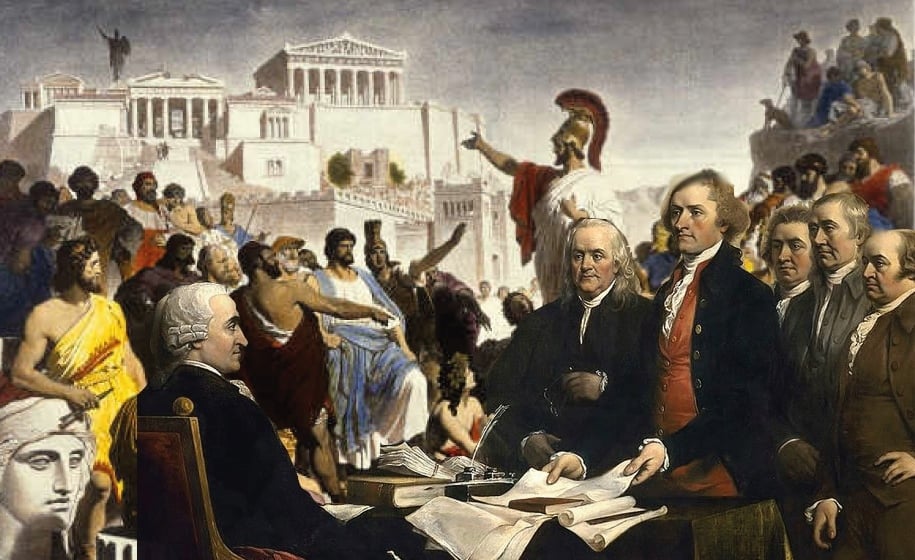
seaflog.com – Democracy, a system of government by the whole population or all the eligible members of a state, typically through elected representatives, is one of the most enduring and influential political systems in human history. Its roots can be traced back to ancient Athens, where it was first conceived and practiced in a form that is quite distinct from the democracies of today. This article explores the fascinating journey of democracy from its inception in the city-state of Athens to its modern-day manifestations in various governments around the world.

The Birth of Democracy in Ancient Athens

The concept of democracy was born in Athens in the 5th century BCE. The Athenian democracy was direct, meaning that all citizens gathered in the assembly to vote on legislation and to select magistrates by lot. This form of government was revolutionary for its time, as it allowed for a level of political participation that had never been seen before. However, it’s important to note that the Athenian definition of “citizens” was quite limited; it excluded women, slaves, and foreigners.

The Spread and Adaptation of Democratic Ideas

After the fall of the Roman Empire, democratic ideas were largely suppressed in Europe until the Renaissance, when they began to re-emerge. The Enlightenment further fueled the spread of democratic ideals, with philosophers like John Locke and Jean-Jacques Rousseau advocating for the rights of individuals and the importance of consent in governance.

The American and French Revolutions

The American and French Revolutions of the late 18th century were pivotal moments in the evolution of democracy. The United States Constitution, drafted in 1787, established a federal republic with a system of checks and balances, while the French Revolution led to the Declaration of the Rights of Man and of the Citizen, which proclaimed the equality of all men before the law.

The 19th and 20th Centuries: Expansion and Challenges

The 19th and 20th centuries saw the expansion of democratic principles to include broader segments of the population. Universal suffrage, the right to vote for all adults regardless of gender, race, or property ownership, became a central goal for democratic movements worldwide. However, this period also saw significant challenges to democracy, including the rise of totalitarian regimes and two world wars.

Modern Democracies: Diversity and Complexity

Today, democracy exists in a variety of forms, from parliamentary systems like those in the United Kingdom and Germany to presidential systems like the one in the United States. Modern democracies are characterized by their commitment to civil liberties, the rule of law, and regular, free, and fair elections. However, they also face new challenges, including the rise of populism, the impact of social media on political discourse, and the struggle to balance security with individual freedoms.

Conclusion

The evolution of democracy from its ancient roots in Athens to its modern-day incarnations is a testament to its resilience and adaptability. While the core principles of democracy remain constant—government by the people, for the people—the practice of democracy continues to evolve in response to new challenges and changing societal needs. As we look to the future, it is clear that the story of democracy is far from over, and its evolution will continue to shape the political landscape for generations to come.