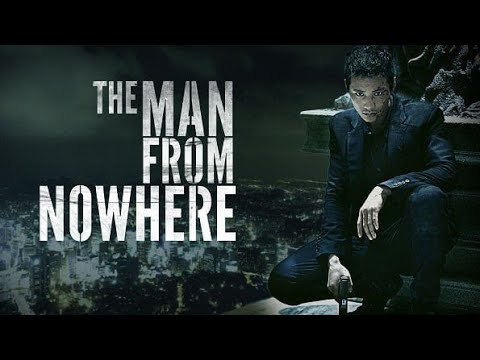
The Man from Nowhere: Action and Melancholy

seaflog.com – Lee Jeong-beom’s 2010 South Korean action thriller The Man from Nowhere (Ajeossi) is a visceral and emotionally resonant film that has garnered critical acclaim and a dedicated following. It tells the story of a quiet pawnshop owner with a dark past who embarks on a violent quest to save a young girl who is kidnapped by a ruthless crime syndicate. This article explores the various facets of the film, examining its plot, characters, themes, and lasting impact.

A Quiet Life Shattered: Plot Summary

Cha Tae-shik, a reclusive former special forces agent, lives a solitary life running a pawnshop. His only connection to the outside world is So-mi, a young girl who lives next door with her drug-addicted mother, Hyo-jeong. Tae-shik forms a quiet, unspoken bond with So-mi, who brings a spark of light into his otherwise desolate existence.

When Hyo-jeong becomes entangled with a dangerous drug trafficking organization run by the ruthless brothers Man-seok and Jong-seok, both she and So-mi are kidnapped. Tae-shik, witnessing the kidnapping, is initially hesitant to get involved, but when he discovers that So-mi is in grave danger, his dormant instincts awaken. He embarks on a relentless mission to find her, tearing through the criminal underworld with brutal efficiency. As he delves deeper, his past as a highly trained operative is revealed, and the true extent of his capabilities becomes terrifyingly clear.

Characters in Shadow and Light: A Study in Contrasts

The characters in The Man from Nowhere are defined by their contrasting natures:

  • Cha Tae-shik: Played with stoic intensity by Won Bin, Tae-shik is a man haunted by his past. His quiet demeanor masks a deadly skillset and a deep well of pain. His transformation from recluse to avenging angel is the driving force of the film.
  • So-mi: Portrayed with touching vulnerability by Kim Sae-ron, So-mi represents innocence and hope in a dark world. Her friendship with Tae-shik provides the emotional core of the story.
  • Man-seok and Jong-seok: The ruthless crime lord brothers, played by Kim Hee-won and Kim Sung-oh respectively, embody the film’s villainy. Their cold-blooded actions and disregard for human life provide a stark contrast to Tae-shik’s protective instincts.

Themes of Redemption, Isolation, and Protection

The Man from Nowhere explores several powerful themes:

  • Redemption: Tae-shik’s quest to save So-mi can be seen as a form of redemption for his past sins. By protecting her, he finds a purpose and a way to atone for his past actions.
  • Isolation: Tae-shik’s self-imposed isolation is a central theme, highlighting the emotional scars that he carries. His connection with So-mi is the only thing that pulls him out of his shell.
  • Protection: The film’s core theme is the primal instinct to protect the innocent. Tae-shik’s unwavering determination to save So-mi underscores this theme, driving the film’s relentless action.

A Masterpiece of Action Choreography and Emotional Depth

The Man from Nowhere is renowned for its expertly choreographed action sequences, which are both brutal and stylish. The film’s fight scenes are not just displays of violence; they are integral to the narrative, reflecting Tae-shik’s inner turmoil and his unwavering focus on his mission.

Beyond the action, the film’s strength lies in its emotional core. The bond between Tae-shik and So-mi provides a powerful emotional anchor, giving weight to the violence and making the audience deeply invested in their fate.

Conclusion

The Man from Nowhere is more than just an action film; it is a compelling character study with a strong emotional core. Its combination of visceral action, compelling characters, and poignant themes has cemented its place as a modern classic of Korean cinema. It is a film that stays with you long after the final scene, prompting reflection on the nature of violence, redemption, and the enduring power of human connection.
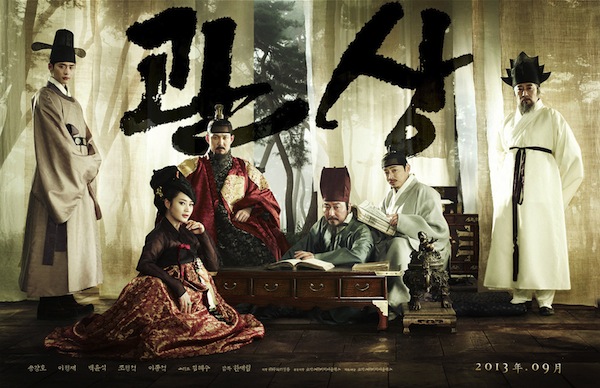
The Face Reader (2013): A Glimpse into Destiny

seaflog.com – “The Face Reader” (Korean: 관상; Gwansang), released in 2013, is a South Korean historical period drama film directed by Han Jae-rim. Set during the tumultuous Joseon Dynasty, the film centers around Nae-gyeong (Song Kang-ho), a skilled face reader who possesses the extraordinary ability to discern a person’s character, destiny, and even future through their facial features. “The Face Reader” weaves a compelling narrative of ambition, betrayal, and the limitations of fate, set against a backdrop of political intrigue and social upheaval.   

The Art of Physiognomy in Joseon Korea

In Joseon society, physiognomy, the practice of assessing a person’s character and fortune from their facial features, held significant cultural relevance. It was believed that one’s face was a mirror of their inner self, reflecting their personality, potential, and even their destiny. “The Face Reader” delves into this fascinating cultural practice, showcasing the intricate details and beliefs associated with it.   

Nae-gyeong’s Extraordinary Talent

Nae-gyeong, the film’s protagonist, is a gifted face reader living in seclusion with his son, Jin-hyeong (Lee Jong-suk). Despite his exceptional talent, Nae-gyeong desires a simple life, avoiding the entanglements of the political world. However, his peaceful existence is disrupted when he is offered a lucrative opportunity by a renowned madam, Yeon-hong (Kim Hye-soo), to work in the capital.   

Entering the World of Political Intrigue

Nae-gyeong’s remarkable skills quickly gain him recognition within the royal court. He becomes embroiled in the power struggles between Grand Prince Suyang (Lee Jung-jae), a ruthless and ambitious royal, and the loyal officials who oppose his claim to the throne. Nae-gyeong’s ability to read faces becomes a valuable tool in these political machinations, but it also places him in grave danger.

A Battle Against Fate

As Nae-gyeong becomes increasingly involved in the political turmoil, he realizes the limitations of his gift. While he can foresee potential outcomes, he cannot control the choices of others or alter the course of destiny. The film explores the complex relationship between fate and free will, questioning whether one can truly escape their predetermined path.

Themes of Ambition, Betrayal, and the Human Condition

“The Face Reader” delves into several profound themes:

  • Ambition: The film portrays the destructive nature of unchecked ambition, particularly through the character of Grand Prince Suyang. His relentless pursuit of power leads to betrayal, violence, and ultimately, tragedy.
  • Betrayal: The story is rife with instances of betrayal, highlighting the fragility of trust in a world driven by self-interest and political maneuvering.
  • The Human Condition: At its core, “The Face Reader” is a story about the human condition, exploring the complexities of human nature, the struggle between good and evil, and the enduring search for meaning and purpose.

Stellar Performances by a Talented Cast

The film boasts a stellar cast, delivering powerful performances that bring the characters to life. Song Kang-ho delivers a nuanced portrayal of Nae-gyeong, capturing his intelligence, empathy, and internal struggles. Lee Jung-jae is captivating as the menacing Grand Prince Suyang, embodying his ruthless ambition and calculating nature. The supporting cast, including Kim Hye-soo and Baek Yoon-sik, also delivers memorable performances.

Critical Acclaim and Box Office Success

“The Face Reader” was a critical and commercial success in South Korea, becoming one of the highest-grossing Korean films of 2013. The film received numerous awards and nominations, recognizing its exceptional storytelling, directing, and acting.   

A Timeless Tale of Destiny and Choice

“The Face Reader” remains a highly regarded film, appreciated for its captivating narrative, compelling characters, and exploration of profound themes. It offers a fascinating glimpse into Joseon society and the cultural significance of physiognomy, while also raising timeless questions about fate, free will, and the human condition. The film’s enduring popularity solidifies its place as a significant contribution to Korean cinema.

8½ (1963): A Surreal Journey Through the Mind

seaflog.com – Federico Fellini’s 1963 film, “8½,” is a surreal and introspective masterpiece that delves into the mind of a renowned filmmaker, Guido Anselmi. Played brilliantly by Marcello Mastroianni, Guido is a man struggling with a creative crisis, his personal life, and the pressures of the film industry.

A Dreamlike Narrative

Fellini’s film is a dreamlike exploration of memory, fantasy, and reality. It blends autobiographical elements with surreal imagery, creating a visually stunning and emotionally charged experience. Guido’s fragmented memories, his anxieties, and his desires are brought to life through a series of dream sequences, flashbacks, and fantastical encounters.

A Critique of the Film Industry

“8½” is not only a personal journey for Guido but also a critique of the film industry. Fellini satirizes the pressures and expectations placed on filmmakers, highlighting the constant struggle to balance artistic integrity with commercial success. The film industry is portrayed as a chaotic and often absurd world, where creativity is stifled by bureaucracy and conformity.

A Universal Exploration of the Human Condition

Despite its surreal and often bizarre elements, “8½” is a deeply human film that explores universal themes of identity, creativity, and the meaning of life. Guido’s existential crisis resonates with audiences, as he grapples with the challenges of growing older, the fear of failure, and the desire to make a meaningful contribution to the world.

A Cinematic Landmark

“8½” is considered one of the greatest films ever made, and its influence on cinema is undeniable. Its innovative storytelling techniques, stunning visuals, and profound themes have inspired countless filmmakers. It is a film that challenges traditional narrative structures, inviting viewers to engage with its dreamlike and often ambiguous imagery.

A Timeless Masterpiece

“8½” is a timeless masterpiece that continues to captivate audiences with its surreal beauty, intellectual depth, and emotional power. It is a film that invites multiple interpretations and rewards repeated viewings. Whether you are a cinephile or simply someone seeking a thought-provoking cinematic experience, “8½” is a must-watch.

Machine Gun McCain: A Stylish and Complex Gangster Melodrama

seaflog.com – Machine Gun McCain (1969), directed by Giuliano Montaldo, is a stylish and complex gangster melodrama that, despite its somewhat obscure status, deserves recognition for its compelling narrative and stellar cast. The film, starring John Cassavetes, Britt Ekland, Peter Falk, and Gabriele Ferzetti, is a gripping tale of crime, betrayal, and redemption, set against the backdrop of the American Southwest.   

A Unique Blend of Genres

Machine Gun McCain is a unique blend of genres, combining elements of the gangster film, the heist movie, and the Western. The film’s distinctive style, characterized by its gritty realism and stylish cinematography, sets it apart from other crime films of the era. Montaldo’s direction is assured and confident, creating a tense and atmospheric world that draws the viewer in.

A Stellar Cast and Ennio Morricone’s Score

The film’s success is largely due to its exceptional cast. John Cassavetes delivers a powerful performance as Hank McCain, a charismatic but troubled ex-con who becomes embroiled in a dangerous scheme. Britt Ekland, in a rare dramatic role, shines as Irene Tucker, a mysterious woman with a dark past. Peter Falk, in a supporting role, brings his signature wit and charm to the character of Charlie Adamo, a cunning and ruthless gangster.   

Ennio Morricone’s iconic score adds another layer of depth to the film, providing a haunting and atmospheric backdrop to the action. The score’s blend of jazz, blues, and orchestral elements perfectly complements the film’s gritty and stylish tone.   

A Forgotten Gem

Despite its strong cast and stylish direction, Machine Gun McCain remains a relatively unknown film. However, it is a hidden gem that deserves to be rediscovered. The film’s complex characters, gripping narrative, and stunning visuals make it a must-see for fans of classic cinema.

Conclusion

Machine Gun McCain is a stylish and complex gangster melodrama that offers a fresh take on the genre. Its compelling narrative, stellar cast, and iconic score make it a must-see for fans of classic cinema. While the film may have been overlooked upon its initial release, it remains a timeless masterpiece that continues to captivate audiences today.

The Girl in the Kremlin: Cold War – A Fictional Twist on History

seaflog.com – Released in 1957, “The Girl in the Kremlin” is a Cold War thriller that takes a fictional spin on the life of Joseph Stalin. The film, directed by Russell Birdwell and starring Lex Barker, Zsa Zsa Gabor, and Jeffrey Stone, weaves a tale of intrigue, espionage, and a shocking twist on historical events.   

Plot Summary

The film begins in 1953, where it’s suggested that Stalin, rather than dying of natural causes, fakes his own death and undergoes plastic surgery to escape the imminent downfall of his regime. He then retreats to a secret hideout in Greece, where he is tended to by a young woman named Greta Grisenko.   

Meanwhile, in Berlin, a private investigator named Steve Anderson is hired by Lili Grisenko, Greta’s twin sister. Lili seeks Anderson’s help in finding Greta, who was abducted by Soviet forces during the invasion of Lithuania. As Anderson delves deeper into the case, he uncovers a web of secrets and conspiracies that lead him to believe that Stalin may still be alive and pulling the strings of power from the shadows.   

A Product of the Cold War Era

“The Girl in the Kremlin” is a quintessential product of the Cold War era, capitalizing on the public’s fascination with the Soviet Union and its enigmatic leader. The film taps into the paranoia and fear that permeated the Cold War, presenting a world where the lines between truth and fiction are blurred.

The film’s portrayal of Stalin as a cunning and manipulative figure aligns with the Cold War narrative of the Soviet Union as a monolithic and oppressive force. By suggesting that Stalin could have survived his supposed death and continued to exert influence, the film adds a layer of suspense and intrigue to the historical figure.

Critical Reception and Legacy

Upon its release, “The Girl in the Kremlin” received mixed reviews from critics. While some praised its suspenseful plot and intriguing premise, others criticized its implausible storyline and lack of historical accuracy.

Despite its mixed reception, the film has garnered a cult following over the years. Its unique blend of espionage, historical fiction, and Cold War paranoia continues to appeal to audiences who appreciate its campy charm and over-the-top plot twists.

A Fascinating Piece of Cold War Cinema

“The Girl in the Kremlin” is a fascinating artifact of Cold War cinema. While it may not be a historically accurate portrayal of Stalin or the Soviet Union, it offers a glimpse into the anxieties and fears of the era. As a piece of popular culture, the film reflects the public’s desire to make sense of the complex and often frightening world of the Cold War.

Once Upon a Family: A Tale of Single Parenthood

seaflog.com – Once Upon a Family is a 1980 television film that explores the challenges and triumphs of single parenthood. Directed by Richard Michaels, the film stars Barry Bostwick as a struggling father who must navigate the complexities of raising his children after his wife unexpectedly leaves.   

A Sudden Change in Circumstances

The film opens with a seemingly ordinary family: a loving husband, a devoted wife, and two young children. However, this idyllic picture is shattered when the wife abruptly abandons her family, leaving her husband to pick up the pieces.  

A Single Father’s Journey

Bostwick’s character, a successful businessman, is suddenly thrust into the role of a full-time caregiver. He must balance his professional responsibilities with the demands of parenting, all while grappling with the emotional turmoil of his wife’s departure.   

A Realistic Portrayal of Single Parenthood

Once Upon a Family offers a realistic and empathetic portrayal of the challenges faced by single parents. The film delves into the practical difficulties, such as managing household chores, preparing meals, and helping with homework, as well as the emotional toll of raising children alone.

A Focus on Family Dynamics

The film also explores the impact of the divorce on the children, who must adjust to their new reality. The children’s experiences, including their feelings of anger, confusion, and sadness, are portrayed with sensitivity and understanding.

A Message of Hope and Resilience

Despite the challenges, Once Upon a Family ultimately conveys a message of hope and resilience. The film shows how, with love, patience, and determination, single parents can overcome adversity and build strong, loving families.

A Timeless Tale

While Once Upon a Family was produced over four decades ago, its themes remain relevant today. The film’s honest portrayal of the joys and struggles of single parenthood continues to resonate with audiences, making it a timeless classic.

A Forgotten Gem

Despite its powerful message and strong performances, Once Upon a Family is often overlooked. However, it is a hidden gem that deserves to be rediscovered. The film’s emotional depth, relatable characters, and heartfelt story make it a poignant and enduring piece of television.

Native Son: A Powerful Adaptation of a Literary Classic

seaflog.com – Native Son (1986) is a powerful and thought-provoking film adaptation of Richard Wright’s groundbreaking novel. Directed by Jerrold Freedman, the film delves into the complex themes of race, class, and social injustice.   

A Stellar Cast

The film features a talented cast, including Victor Love in the lead role as Bigger Thomas, a young Black man living in poverty in 1930s Chicago. Carroll Baker delivers a strong performance as Mrs. Dalton, the matriarch of a wealthy white family who employs Bigger. Other notable cast members include Oprah Winfrey, Matt Dillon, and Elizabeth McGovern.   

A Dark and Disturbing Tale

Native Son is a dark and disturbing exploration of the psychological impact of racism and poverty. The film follows Bigger Thomas as he navigates the oppressive forces of society and ultimately commits a horrific act of violence.   

Carroll Baker’s Powerful Performance

Carroll Baker’s portrayal of Mrs. Dalton is both nuanced and impactful. She brings depth and complexity to her character, capturing the contradictions and hypocrisies of the privileged white class. Baker’s performance is a testament to her versatility as an actress.

A Timeless Exploration of Social Issues

Native Son remains relevant today, as it continues to expose the enduring issues of racial inequality and social injustice. The film’s powerful message and its exploration of the human condition make it a timeless classic.   

Carroll Baker’s Impact on Film

Carroll Baker’s career spans several decades, and she has appeared in numerous films, including Giant, The Chapman Report, and The Carpetbaggers. Her ability to portray complex and multifaceted characters has made her a respected figure in Hollywood.   

Conclusion

Native Son is a powerful and thought-provoking film that challenges viewers to confront the harsh realities of racism and social injustice. Carroll Baker’s performance as Mrs. Dalton is a highlight of the film, and her contribution to its enduring legacy is undeniable.

Night of the Lepus: A Hopelessly Hopeless Horror Film

seaflog.com – Night of the Lepus (1972) is a bizarre and often unintentionally humorous horror film that tells the tale of a small town terrorized by giant, mutated rabbits. Directed by William F. Claxton and starring Stuart Whitman and Janet Leigh, the film is a curious blend of science fiction, horror, and B-movie camp.

A Bunny Gone Wild

The film’s premise is as absurd as it sounds: a scientist (Whitman) develops a serum to control the rabbit population, but a lab accident leads to the rabbits growing to enormous size and becoming aggressive. As these monstrous creatures wreak havoc on the town, the scientist and a local sheriff (Leigh) must band together to stop them.

A Hopelessly Unconvincing Threat

While the concept of giant, killer rabbits is certainly intriguing, the film’s execution is far from terrifying. The special effects, which involve animatronic rabbits and stop-motion techniques, are often laughable rather than frightening. The creatures themselves, despite their size, lack any real menace.

A Cast of Uninspired Performances

The film’s cast, while featuring recognizable names like Stuart Whitman and Janet Leigh, delivers mostly uninspired performances. The dialogue is often stilted and the characters are thinly drawn. The film’s pacing is uneven, with long stretches of dull exposition interspersed with brief moments of action.

A Cult Classic or a Hopeless Flop?

Despite its many flaws, Night of the Lepus has developed a cult following over the years. Its absurd premise, cheesy special effects, and unintentional humor have made it a favorite among fans of B-movies and horror. However, for those seeking a genuinely scary or suspenseful film, Night of the Lepus is likely to disappoint.

A Hopelessly Hopeless Conclusion

Night of the Lepus is a curious and often unintentionally funny film that serves as a cautionary tale about the dangers of scientific experimentation. While it may not be a great film, it is certainly a memorable one, and its place in the pantheon of B-movie horror is secure.

Tribute: A Heartfelt Journey of Redemption

seaflog.com – Bob Clark’s Tribute (1980) is a poignant drama that explores themes of family, friendship, and the importance of seizing the moment. The film, starring the legendary Jack Lemmon, is a heartfelt and often humorous tale of a Broadway agent facing his mortality and attempting to mend broken relationships.   

A Career Defined by Triumph and Regret

Lemmon delivers a tour-de-force performance as Scottie Templeton, a charismatic but self-absorbed agent whose life is upended by a terminal illness. As he confronts his impending death, Scottie embarks on a journey of self-reflection and redemption, seeking to reconnect with his estranged son, his former lover, and his long-time friend.   

A Touching Exploration of Human Connection

Tribute delves into the complexities of human relationships, highlighting the importance of forgiveness, empathy, and gratitude. The film explores the impact of Scottie’s actions on those around him, as well as the consequences of neglecting one’s loved ones for the sake of career and ambition.

A Nostalgic Glimpse into the Golden Age of Broadway

Set against the backdrop of the glamorous world of Broadway, Tribute offers a nostalgic glimpse into the golden age of theater. The film captures the excitement and glamour of the stage, as well as the cutthroat nature of the entertainment industry.

A Timeless Tale of Love and Loss

Tribute is a timeless film that continues to resonate with audiences. Its powerful performances, poignant script, and heartfelt message make it a truly unforgettable cinematic experience. Whether you’re a fan of classic Hollywood cinema or simply appreciate a good story, Tribute is a must-watch.

The Art of Love: A Quirky Comedy with a Stellar Cast

seaflog.com – Known for her sultry and often dramatic roles, Angie Dickinson surprised audiences in 1965 with her appearance in the quirky comedy The Art of Love. Directed by Norman Jewison and written by Carl Reiner, the film is a lighthearted tale of mistaken identity, romance, and the art world.

In The Art of Love, Dickinson plays the role of Rita, a sophisticated and glamorous woman who catches the eye of the film’s protagonist, Paul Sloane, played by James Garner. Rita’s character, while relatively minor, is essential to the film’s comedic plot. Her interactions with Paul and other characters provide many humorous moments, showcasing Dickinson’s ability to balance humor and charm.

A Star-Studded Cast and a Whimsical Plot

The Art of Love boasts a star-studded cast, including James Garner, Dick Van Dyke, Elke Sommer, and Ethel Merman. The film’s plot revolves around Paul, a struggling artist who fakes his own death to increase the value of his paintings. However, his plan goes awry, leading to a series of comedic misadventures involving mistaken identities, love triangles, and eccentric characters.

Dickinson’s character, Rita, adds a touch of glamour and sophistication to the film. Her on-screen chemistry with Garner is palpable, and their scenes together are some of the film’s most memorable. While The Art of Love may not be one of Dickinson’s most iconic roles, it is a testament to her versatility as an actress.

A Forgotten Gem

While The Art of Love may not be as well-remembered as some of Dickinson’s other films, it remains a delightful and entertaining watch. The film’s witty script, talented cast, and quirky humor make it a perfect choice for a lighthearted and fun viewing experience.

In conclusion, The Art of Love is a charming comedy that showcases Angie Dickinson’s ability to effortlessly transition between dramatic and comedic roles. While the film may have been overshadowed by other releases, it remains a hidden gem for fans of classic Hollywood cinema.

Boccaccio ’70: A Satirical Exploration of Love, Sex, and Society

seaflog.com – Boccaccio ’70 is a cinematic anthology film that pays homage to Giovanni Boccaccio’s 14th-century literary masterpiece, The Decameron. This 1962 Italian film, directed by four of Italy’s most celebrated filmmakers—Federico Fellini, Luchino Visconti, Vittorio De Sica, and Mario Monicelli—offers a satirical exploration of love, sex, and societal norms in 1960s Italy.   

Four Tales of Desire and Disillusionment

Each director contributes a distinct segment to the film, each exploring a different facet of human sexuality and relationships. 

  1. The Work (Il lavoro): Directed by Vittorio De Sica

    • A wealthy couple’s marriage is put to the test when the wife, tired of her husband’s infidelity, demands payment for her sexual services. This segment is a biting satire of the changing roles of women in society and the commodification of love. 
  2. The Temptation of Doctor Antonio (La riffa): Directed by Federico Fellini 

    • A prudish doctor, obsessed with public morality, finds himself entangled in a chaotic love triangle involving a beautiful woman and a naive young priest. Fellini’s signature surrealism and dark humor are on full display in this segment, as he satirizes hypocrisy and the clash between religious and sexual desires.
  3. The Renzo and Luciana Episode (Renzo e Luciana): Directed by Luchino Visconti

    • A young couple, Renzo and Luciana, navigate the challenges of love and work in a conservative society. Their struggle to maintain their relationship while adhering to strict workplace rules highlights the oppressive nature of societal norms. 
  4. The Taxi Driver’s Story (Le tentazioni del dottor Antonio): Directed by Mario Monicelli

    • A taxi driver, obsessed with a beautiful woman, embarks on a series of comical misadventures. Monicelli’s segment is a lighthearted comedy that explores themes of obsession, desire, and the absurdity of love.

A Timeless Exploration of Human Nature

Boccaccio ’70 is a bold and provocative film that challenges societal conventions and explores the complexities of human sexuality. The film’s four segments offer a diverse range of perspectives on love, desire, and relationships, reflecting the changing social landscape of the 1960s.   

The film’s enduring appeal lies in its timeless themes and its masterful storytelling. Each director brings their unique style and vision to the film, creating a rich and varied cinematic experience. Boccaccio ’70 remains a significant contribution to the history of cinema, a bold and innovative work that continues to captivate and provoke audiences.

The Oscar (1966): A Glimpse into Hollywood’s Dark Side

seaflog.com – “The Oscar,” released in 1966, is a drama film directed by Russell Rouse that explores the ruthless and often unforgiving world of Hollywood. The film delves into themes of ambition, fame, and betrayal, offering a dramatic critique of the entertainment industry. With a star-studded cast, “The Oscar” presents a cautionary tale about the costs of success.

Plot Overview

The film centers around Frankie Fane, a charismatic but unscrupulous actor determined to climb the Hollywood ladder at any cost. As Frankie navigates his way through the industry, he manipulates those around him, including friends and lovers, to achieve his ultimate goal: winning an Academy Award. The narrative builds to a dramatic climax at the Oscar ceremony, where the true cost of Frankie’s ambition is revealed.

Themes and Style

Ambition and Morality

“The Oscar” examines the theme of ambition, focusing on the ethical compromises individuals make in their quest for success. It questions the morality of the entertainment industry, highlighting the superficiality and competitiveness that drive its players.

Hollywood Critique

The film offers a critical view of Hollywood, portraying it as a glamorous yet merciless arena. Through its narrative, “The Oscar” critiques the industry’s obsession with accolades and the impact of this pursuit on personal relationships and integrity.

Characters

Frankie Fane

Stephen Boyd delivers a compelling performance as Frankie Fane, capturing the character’s charm and ruthlessness. Frankie’s journey from obscurity to stardom is marked by manipulation and betrayal, showcasing the darker side of ambition.

Kay Bergdahl

Elke Sommer plays Kay Bergdahl, Frankie’s love interest, who becomes entangled in his tumultuous rise to fame. Her character represents the emotional stakes of Frankie’s journey, adding depth to the narrative.

Supporting Cast

The film features a talented ensemble cast, including Milton Berle as Frankie’s loyal friend Hymie Kelly, Eleanor Parker as his estranged wife Sophie Cantaro, and Tony Bennett in his film debut as Frankie’s friend and confidant, Hymie Kelly. Each character adds layers to the story, highlighting the personal costs of ambition.

Cinematic Techniques

Dramatic Direction

Russell Rouse’s direction emphasizes the high-stakes world of Hollywood. The film’s pacing and dramatic tension reflect the intensity of Frankie’s pursuit, culminating in the suspenseful Oscar ceremony.

Star-Studded Production

With its impressive cast and engaging performances, “The Oscar” captures the glamour and intrigue of the film industry. The actors bring authenticity to their roles, enhancing the film’s dramatic impact.

Reception and Legacy

Upon its release, “The Oscar” received mixed reviews. Critics praised its ambitious storytelling and strong performances but criticized its melodramatic tone. Despite this, the film remains a fascinating exploration of Hollywood’s darker aspects, attracting audiences intrigued by the complexities of fame and success.

Conclusion

“The Oscar” provides a dramatic and revealing look at the pursuit of success in Hollywood. Through its engaging narrative and compelling performances, the film serves as a cautionary tale about the allure of fame and the moral dilemmas faced by those who seek it. Its portrayal of ambition and betrayal continues to resonate with viewers interested in the intricate dynamics of the entertainment industry.

The Grasshopper (1970): A Journey Through Life’s Ups & Downs

seaflog.com – “The Grasshopper,” a drama released in 1970, takes viewers on an emotional journey through the life of its protagonist, Christine Adams. Directed by Jerry Paris, this film delves into the complexities of personal growth, ambition, and the search for identity. With a poignant narrative and compelling performances, “The Grasshopper” offers a reflective look at the trials and triumphs of a young woman navigating the unpredictable path of life.

Plot Overview

The film follows Christine Adams, played by Jacqueline Bisset, a young woman who leaves her small-town life in British Columbia with dreams of finding excitement and success in the United States. Her journey takes her through a series of relationships and experiences as she moves from Las Vegas to Los Angeles, encountering both the glitz and grit of urban life.

Christine’s story is one of transformation and self-discovery. Along the way, she is faced with the harsh realities of love, betrayal, and the pursuit of happiness. As she navigates the challenges of her new life, Christine learns valuable lessons about resilience and the importance of staying true to oneself.

Themes and Character Development

“The Grasshopper” explores several themes, including the quest for identity and the impact of choices on personal growth. Christine’s journey is marked by her evolving understanding of what she truly desires from life. Her character development is central to the film, portraying her as a complex and multifaceted individual.

The film also addresses the societal expectations and pressures faced by women in the 1970s. Christine’s interactions with various characters highlight the gender dynamics of the time, as well as her determination to forge her own path in a world that often seeks to define her.

Cinematic Style and Direction

Director Jerry Paris employs a cinematic style that captures the vibrant yet volatile atmosphere of the cities Christine inhabits. The film’s visual and narrative elements work together to reflect the contrasting emotions and experiences that define Christine’s journey. The use of music and setting further enhances the storytelling, immersing audiences in the era’s cultural and social backdrop.

Reception and Legacy

Upon its release, “The Grasshopper” garnered attention for its bold portrayal of a woman’s quest for self-discovery. Jacqueline Bisset’s performance was particularly praised for its depth and authenticity, bringing Christine’s character to life with empathy and nuance.

While “The Grasshopper” may not have achieved widespread acclaim, it remains a noteworthy exploration of personal growth and the challenges of navigating life’s uncertainties. The film’s themes of resilience and self-awareness continue to resonate with audiences, offering insights into the universal experience of seeking one’s place in the world.

Conclusion

“The Grasshopper” is a thought-provoking drama that invites viewers to reflect on the complexities of life and the pursuit of identity. Through Christine Adams’ journey, the film captures the essence of growth, change, and the enduring quest for fulfillment. As a cinematic exploration of personal transformation, “The Grasshopper” offers a timeless narrative that speaks to the heart of the human experience.

Sandra (1965): A Cinematic Exploration of Family & Memory

seaflog.com – “Sandra” (also known as “Vaghe stelle dell’Orsa”) is a 1965 Italian drama film directed by the renowned filmmaker Luchino Visconti. The film stars Claudia Cardinale, Jean Sorel, and Michael Craig, and is loosely based on the Greek tragedy of Electra. Through its exploration of familial secrets and the haunting nature of memory, “Sandra” captures the complexities of human emotions and relationships.

Plot Overview

The story follows Sandra Dawson (played by Claudia Cardinale) as she returns to her childhood village in Tuscany, along with her American husband Andrew (Michael Craig). The occasion is a ceremony in honor of her deceased father, a Jewish scientist who was killed during World War II. As Sandra reconnects with her brother Gianni (Jean Sorel), the family is forced to confront dark secrets and unresolved tensions from their past.

Themes and Style

Visconti’s adaptation brings the ancient tale of Electra into a modern context, exploring themes of betrayal, guilt, and revenge. The film delves into the psychological and emotional turmoil of its characters as they grapple with their shared history and personal grievances.

Visconti’s direction is marked by his signature attention to detail and visual elegance. The cinematography captures the haunting beauty of the Tuscan landscape, juxtaposing its serene appearance with the turbulent emotions of the characters. The use of classical music further enhances the film’s dramatic intensity.

Performances

Claudia Cardinale delivers a powerful performance as Sandra, embodying the character’s complexity with grace and depth. Her portrayal of a woman torn between loyalty to her family and the desire to escape her past is both compelling and poignant. Jean Sorel and Michael Craig provide strong supporting roles, adding layers to the intricate family dynamics at play.

Reception and Legacy

Upon its release, “Sandra” received critical acclaim for its artistic direction and compelling narrative. The film won the Golden Lion at the Venice Film Festival, solidifying Visconti’s status as a master filmmaker. While it may not be as widely known as some of his other works, “Sandra” remains a significant piece in Visconti’s oeuvre, appreciated for its emotional complexity and visual sophistication.

Conclusion

“Sandra” (1965) is a testament to Luchino Visconti’s ability to weave intricate stories that explore the deepest facets of human emotion. Through its rich storytelling and compelling performances, the film offers a timeless reflection on the power of memory and the enduring impact of family secrets.

Sandra (1965): A Exploration of Family Secrets and Identity

seaflog.com – “Sandra” (Italian: “Vaghe stelle dell’Orsa…”), directed by the acclaimed Italian filmmaker Luchino Visconti, is a 1965 drama that delves into the haunting themes of family secrets, identity, and the inescapable past. Starring Claudia Cardinale, Jean Sorel, and Michael Craig, this film stands out as one of Visconti’s most intense and atmospheric works, blending elements of melodrama with a deep psychological exploration.

Plot Overview

The film centers around Sandra Dawson, played by Claudia Cardinale, a young Italian woman who returns to her hometown of Volterra with her American husband, Andrew (Michael Craig). They arrive for a ceremony honoring Sandra’s late father, a Jewish scientist who was killed during World War II.

As Sandra reconnects with her family, including her brother Gianni (Jean Sorel), long-buried tensions and secrets resurface. The narrative gradually unveils a dark and complex family history, marked by betrayal and forbidden desires. Sandra is forced to confront the ghosts of her past, leading to a dramatic and emotional climax.

Themes and Cinematic Techniques

“Sandra” is renowned for its rich thematic content, exploring the complexities of memory, guilt, and the search for identity. Visconti crafts a narrative that reflects the psychological turmoil of its protagonist, using the decaying grandeur of the Dawson family estate as a metaphor for the family’s fractured relationships.

Visconti’s direction is complemented by the film’s striking visual style. Cinematographer Armando Nannuzzi employs shadow and light to create a mood of tension and mystery, echoing the film’s underlying themes. The use of close-ups and lingering shots enhances the emotional intensity, capturing the nuanced performances of the lead actors.

The film’s haunting score, composed by Franco Mannino, further amplifies the sense of unease and introspection that permeates the narrative, making “Sandra” a deeply immersive cinematic experience.

Critical Reception and Legacy

Upon its release, “Sandra” was met with a mixed critical reception, with some praising its artistic ambition and others critiquing its melodramatic elements. However, over time, the film has gained recognition as a powerful exploration of personal and historical trauma, and it won the Golden Lion at the Venice Film Festival in 1965.

Claudia Cardinale’s performance is particularly notable, capturing the complexity of a woman torn between her past and present. Her portrayal of Sandra’s vulnerability and strength is a testament to her skill as an actress and contributes significantly to the film’s enduring impact.

In conclusion, “Sandra” (1965) is a compelling work that exemplifies Luchino Visconti’s mastery of psychological drama and visual storytelling. Through its exploration of identity and memory, the film invites audiences to reflect on the lasting effects of family secrets and the struggle to reconcile past and present. It remains a significant piece of Italian cinema, celebrated for its haunting narrative and artistic depth.

An Insight into “A Bright Shining Lie” (1998)

seaflog.com – “A Bright Shining Lie” is a 1998 HBO television film directed by Terry George and based on the Pulitzer Prize-winning book by Neil Sheehan. The film tells the true story of John Paul Vann, an American military advisor during the Vietnam War, and provides a critical examination of the conflict from an insider’s perspective.

Plot and Themes

The film stars Bill Paxton as John Paul Vann, a complex and controversial figure who becomes disillusioned with the U.S. military’s strategies in Vietnam. The story follows Vann’s journey from his early days as a military advisor, through his growing skepticism about the war’s conduct, to his eventual role as a civilian leader in the conflict.

“A Bright Shining Lie” explores themes such as the moral ambiguities of war, the clash between military bureaucracy and on-the-ground realities, and the personal cost of ideological commitment. Vann’s character embodies the tension between duty and conscience, as he struggles to reconcile his dedication to the military with his belief that the war is being mismanaged.

Impact and Reception

The film was well-received for its detailed portrayal of the Vietnam War and the complexities faced by those involved. Bill Paxton’s performance as John Paul Vann was particularly praised for capturing the character’s charisma and inner conflict. The film’s narrative, grounded in historical events and real-life experiences, offers a compelling look into the challenges and contradictions of the Vietnam War.

While “A Bright Shining Lie” is a television film, its production values, direction, and performances are comparable to those of a feature film. It provides viewers with a thoughtful and critical perspective on the war, highlighting the human stories behind the historical events.

Conclusion

“A Bright Shining Lie” stands out as a significant work in the genre of Vietnam War films, offering a nuanced and personal account of one man’s experience and disillusionment. It invites audiences to reflect on the complexities of war and the often-overlooked personal narratives that shape history. Through its compelling storytelling and strong performances, the film continues to resonate with viewers interested in understanding the Vietnam War’s multifaceted legacy.

The Bodyguard (2004): The Action-Comedy from Thailand

seaflog.com – “The Bodyguard,” released in 2004, is a Thai action-comedy film directed by and starring Petchtai Wongkamlao, also known as Mum Jokmok. Known for its blend of slapstick humor and thrilling action sequences, the film quickly became a favorite among fans of Thai cinema. It showcases Wongkamlao’s signature comedic style while delivering a story filled with action-packed moments and unexpected twists.

Plot Summary

The film follows the story of Wong Kom, a highly skilled bodyguard played by Petchtai Wongkamlao. Wong Kom is charged with protecting Choti, the heir to a wealthy business empire. However, after a failed assassination attempt leaves Choti dead, Wong Kom is disgraced and dismissed from his duties. Determined to clear his name, he embarks on a mission to uncover the truth behind the attack and protect the remaining family members from further harm.

Character Dynamics

Wong Kom, the protagonist, is portrayed as both a formidable fighter and a comedic character. His journey through the film is filled with humorous mishaps and action-packed encounters. The film also features a strong supporting cast, including Pumwaree Yodkamol as Pok, a strong-willed woman who becomes an unexpected ally in Wong Kom’s quest for justice. Their interactions add depth to the narrative, blending action with comedic elements.

Action and Comedy

“The Bodyguard” is renowned for its entertaining action sequences, cleverly interspersed with humor. The film employs a variety of martial arts and stunt work, showcasing Wongkamlao’s physical comedy skills. The comedic timing and slapstick humor are reminiscent of classic comedic action films, drawing comparisons to the works of Jackie Chan and other martial arts comedies.

Cinematic Style

The film’s direction by Petchtai Wongkamlao ensures a fast-paced narrative filled with twists and turns. The cinematography captures both the bustling cityscapes and the intense action scenes with flair. The blend of colorful characters and vibrant settings enhances the comedic tone, making “The Bodyguard” a visually engaging film.

Conclusion

“The Bodyguard” (2004) is a delightful romp that combines action and comedy in a uniquely Thai fashion. With its charismatic lead, engaging storyline, and a perfect balance of humor and thrills, the film offers an entertaining experience for viewers. Whether you’re a fan of action, comedy, or both, “The Bodyguard” delivers a memorable cinematic experience that highlights Petchtai Wongkamlao’s talents both in front of and behind the camera.

A Glimpse into Struggle & Resilience: An Analysis of “Siti” (2014)

seaflog.com – “Siti” is a critically acclaimed Indonesian film directed by Eddie Cahyono, released in 2014. This stark and poignant drama offers an intimate portrayal of a woman’s struggle to balance her responsibilities and dreams against the backdrop of social and economic challenges. Shot entirely in black and white, “Siti” is a compelling exploration of resilience, love, and sacrifice, capturing the raw essence of everyday life in Indonesia.

Plot Summary

The film follows the life of Siti, a young woman living in a coastal village in Yogyakarta. Her husband, Bagus, is left paralyzed after a fishing accident, leaving Siti to shoulder the burden of supporting their family, including their young son and Bagus’s elderly mother. To make ends meet, Siti sells snacks on the beach by day and works as a karaoke hostess at night. The duality of her life presents constant challenges, as she navigates judgment from her community and the strain on her family relationships. Despite these hardships, Siti remains determined to find happiness and a sense of freedom.

Themes and Social Commentary

“Siti” addresses themes of poverty, gender roles, and societal expectations, highlighting the resilience of women in the face of adversity. The film critiques the socio-economic structures that confine individuals to limited choices, emphasizing the struggles of working-class women. Through Siti’s story, the film also explores the theme of personal freedom, questioning the sacrifices one must make to achieve it.

Cinematic Techniques

The film’s choice to use black and white cinematography adds a layer of depth to its storytelling, emphasizing the stark realities of Siti’s life. This aesthetic decision creates a timeless quality, drawing focus to the characters and their emotional journeys. Eddie Cahyono’s direction is minimalist yet powerful, with long takes and naturalistic performances that enhance the film’s authenticity. The use of ambient sounds and silence further intensifies the emotional atmosphere, allowing viewers to immerse themselves in Siti’s world.

Critical Reception

“Siti” received widespread acclaim for its storytelling, visual style, and compelling performances, particularly that of Sekar Sari in the titular role. The film won numerous awards, including the prestigious Citra Award for Best Film at the Indonesian Film Festival. Critics praised its nuanced portrayal of complex social issues and its ability to convey deep emotional truths through simple yet effective storytelling.

Conclusion

“Siti” is a profound and moving exploration of the human spirit, capturing the resilience of a woman determined to overcome her circumstances. Eddie Cahyono’s masterful direction and the film’s poignant narrative make it a standout piece in Indonesian cinema. “Siti” invites audiences to reflect on the struggles of those marginalized by society and the strength required to find hope and dignity amidst adversity.

Analyzing “The Student” (2016): A Exploration of Faith & Authority

seaflog.com – “The Student” (2016), directed by Kirill Serebrennikov, is a thought-provoking Russian drama that delves into themes of faith, morality, and authority. Adapted from Marius von Mayenburg’s play “Martyr,” the film offers a critical perspective on the intersection of religion and education in contemporary society. This article examines the film’s narrative, its thematic depth, and its impact on audiences.

Plot Overview

“The Student” follows the story of Venya, a high school student whose sudden religious fervor disrupts his life and those around him. As Venya becomes increasingly dogmatic, he challenges the school’s authority and imposes his beliefs on teachers and classmates. The film explores the escalating conflict between Venya and his biology teacher, Elena, who represents the voice of reason and scientific thought.

Themes and Symbolism

At its core, “The Student” is a critique of religious extremism and the dangers of unquestioning faith. Through Venya’s character, the film examines how rigid belief systems can lead to intolerance and authoritarianism. The tension between faith and reason is a central theme, symbolized by the ongoing debate between Venya and Elena. The film also addresses broader societal issues, such as the role of education in shaping critical thinking.

Cinematic Style

Serebrennikov employs a stark and intense visual style to mirror the film’s dramatic tension. The use of close-ups and claustrophobic framing heightens the sense of conflict and unease. The film’s pacing and soundtrack further contribute to its unsettling atmosphere, drawing viewers into Venya’s world and the escalating chaos he creates.

Impact and Reception

“The Student” has garnered attention for its bold narrative and social commentary. The film’s portrayal of religious extremism and its critique of authoritarian structures resonate with contemporary audiences, sparking discussions on the balance between faith and reason. It has been praised for its powerful performances, particularly by Pyotr Skvortsov as Venya and Viktoriya Isakova as Elena.

Conclusion

“The Student” (2016) is a compelling film that challenges viewers to reflect on the complexities of faith and authority. Through its gripping narrative and thematic exploration, it offers a cautionary tale about the dangers of extremism and the importance of critical thinking. As a cinematic work, “The Student” continues to provoke thought and discussion, making it a significant contribution to modern Russian cinema.

Painted Skin: A Modern Take on Classic Chinese Mythology

seaflog.com – Released in 2008, Painted Skin is a supernatural-fantasy film directed by Gordon Chan, featuring a star-studded cast including Donnie Yen, Zhou Xun, Chen Kun, Zhao Wei, Sun Li, and Qi Yuwu. Loosely based on the classic Chinese tale “The Painted Skin” from Pu Songling’s “Strange Stories from a Chinese Studio,” the film blends elements of romance, action, and horror to create a compelling cinematic experience. This article delves into the film’s narrative, themes, and its cultural significance.

Plot Overview: Love and Deception

The story revolves around a beautiful fox spirit, Xiao Wei (played by Zhou Xun), who disguises herself as a human woman. To maintain her human appearance, she consumes human hearts. Xiao Wei’s life becomes entangled with General Wang Sheng (played by Chen Kun) and his wife, Pei Rong (played by Zhao Wei), leading to a complex web of love, betrayal, and supernatural intrigue. As the plot unfolds, the film explores the boundaries between love and deception, with Xiao Wei’s desires threatening to unravel the lives of those around her.

Themes: The Nature of Humanity and Love

At its core, Painted Skin examines the nature of humanity and the complexities of love. The film poses questions about identity and the masks people wear to conceal their true selves. Through the character of Xiao Wei, it explores the duality of human nature and the conflict between one’s desires and societal norms.

The film also delves into the concept of sacrifice in love, as characters grapple with their feelings and the consequences of their actions. The interplay between Xiao Wei, Wang Sheng, and Pei Rong highlights the struggles of love when faced with supernatural and moral dilemmas.

Cinematic Elements: Visuals and Performances

Painted Skin is visually striking, with a rich color palette and elaborate costumes that bring the fantastical elements of the story to life. The film’s special effects and action sequences are artfully crafted, enhancing the mythical atmosphere.

The performances of the lead actors add depth to the narrative. Zhou Xun’s portrayal of Xiao Wei captures the character’s inner conflict and allure, while Chen Kun and Zhao Wei provide strong performances as the devoted yet conflicted couple.

Cultural Impact and Reception

Upon its release, Painted Skin was well-received in China and internationally, praised for its unique blend of genres and its modern retelling of a classic tale. The film sparked interest in Chinese folklore and mythology, contributing to a renewed appreciation for traditional stories within contemporary cinema.

Conclusion: A Modern Classic

Painted Skin stands out as a modern classic that successfully bridges the gap between ancient folklore and modern filmmaking. Its exploration of timeless themes through a fantastical lens makes it a captivating film that resonates with audiences. As a testament to the enduring power of storytelling, Painted Skin continues to enchant viewers with its blend of romance, action, and supernatural intrigue.

Toy Story: A Trailblazer in Animation and Storytelling

seaflog.com – Released in 1995, “Toy Story” is a groundbreaking animated film that revolutionized the world of animation and storytelling. Directed by John Lasseter and produced by Pixar Animation Studios in collaboration with Walt Disney Pictures, it was the first entirely computer-animated feature film. This article delves into the film’s innovative production, memorable characters, and enduring impact on both audiences and the animation industry.

The Birth of a New Era in Animation

“Toy Story” marked a significant milestone in animation history as the first feature film created entirely using computer-generated imagery (CGI). Its success demonstrated the potential of digital animation, paving the way for future advancements in the field. The film’s realistic textures, vibrant colors, and seamless animation were groundbreaking at the time, setting a new standard for animated films.

Memorable Characters and Voice Cast

Woody

Woody, the cowboy doll voiced by Tom Hanks, serves as the film’s protagonist. As the leader of the toys, he embodies themes of loyalty, friendship, and adaptability. Woody’s journey throughout the film explores his insecurities and growth as he learns to share the spotlight with a new toy.

Buzz Lightyear

Buzz Lightyear, voiced by Tim Allen, is the action figure who believes he is a real space ranger. His character provides a humorous contrast to Woody’s traditional cowboy persona, and his eventual realization of his true identity is central to the film’s narrative.

Themes

Friendship and Acceptance

At its core, “Toy Story” is a tale of friendship and acceptance. Woody and Buzz’s initially contentious relationship evolves into a deep friendship, highlighting the importance of understanding and embracing differences.

Change and Adaptability

The film explores the theme of change, particularly how the toys must adapt to the arrival of new toys and the shifting dynamics of their world. Woody’s journey reflects the challenges of accepting change and the growth that comes with it.

Impact and Legacy

“Toy Story” not only transformed the animation industry but also left a lasting impact on audiences worldwide. Its success spawned a beloved franchise, including sequels that continued to explore the adventures of Woody, Buzz, and their friends. The film’s innovative storytelling and memorable characters have made it a timeless classic, cherished by both children and adults.

Conclusion

“Toy Story” stands as a monumental achievement in the history of animation and filmmaking. Its pioneering use of CGI, combined with a compelling narrative and unforgettable characters, has solidified its place as a beloved classic. The film’s legacy continues to inspire new generations of animators and storytellers, ensuring that the magic of “Toy Story” will endure for years to come.

“Devdas”: A Timeless Tale of Love and Tragedy

seaflog.com – “Devdas” is a classic Indian film, based on the 1917 novel of the same name by Sarat Chandra Chattopadhyay. Directed by Sanjay Leela Bhansali, the 2002 adaptation stars Shah Rukh Khan, Aishwarya Rai, and Madhuri Dixit in pivotal roles. Known for its opulent visuals, haunting music, and intense performances, “Devdas” remains a significant work in Indian cinema.

Plot Summary

The film tells the tragic story of Devdas Mukherjee, a wealthy law graduate who returns to India after studying in London. Devdas is deeply in love with his childhood friend, Paro, but their love is thwarted by societal and familial pressures. Heartbroken, Devdas spirals into a world of alcoholism and self-destruction, finding solace in the companionship of a courtesan named Chandramukhi. Despite his attempts to escape his pain, Devdas is ultimately consumed by his unfulfilled love and inner turmoil.

Themes of Love and Tragedy

“Devdas” explores themes of love, loss, and societal constraints. It delves into the destructive power of unrequited love and the impact of rigid social structures on individual happiness. The film poignantly portrays the emotional struggles of its characters, highlighting the complexities of human relationships and the tragedy of missed opportunities.

Stellar Performances

Shah Rukh Khan delivers a powerful performance as Devdas, capturing the character’s vulnerability and inner conflict with depth and nuance. Aishwarya Rai shines as Paro, embodying grace and resilience, while Madhuri Dixit brings charm and compassion to the role of Chandramukhi. The trio’s performances are complemented by a strong supporting cast, adding layers to the film’s emotional narrative.

Direction and Cinematography

Sanjay Leela Bhansali’s direction is marked by grandeur and attention to detail. The film’s opulent sets, intricate costumes, and vibrant color palettes create a visually stunning experience. Cinematographer Binod Pradhan’s work enhances the film’s aesthetic, capturing the richness of the period setting and the emotional depth of the story.

Music and Soundtrack

The film’s music, composed by Ismail Darbar, is integral to its storytelling. Iconic songs like “Dola Re Dola” and “Maar Daala” add to the film’s emotional intensity and are beautifully choreographed. The soundtrack, with lyrics by Nusrat Badr, complements the film’s narrative and enhances its dramatic impact.

Impact and Legacy

“Devdas” was both a critical and commercial success, earning numerous accolades and establishing itself as a landmark film in Indian cinema. Its portrayal of timeless themes and its lavish production values have left a lasting impression on audiences worldwide. The film was also India’s official entry for the Best Foreign Language Film category at the Oscars.

Conclusion

“Devdas” is a cinematic masterpiece that continues to captivate audiences with its timeless tale of love and tragedy. With its compelling performances, breathtaking visuals, and evocative music, the film remains an enduring classic, offering a poignant exploration of the complexities of the human heart.