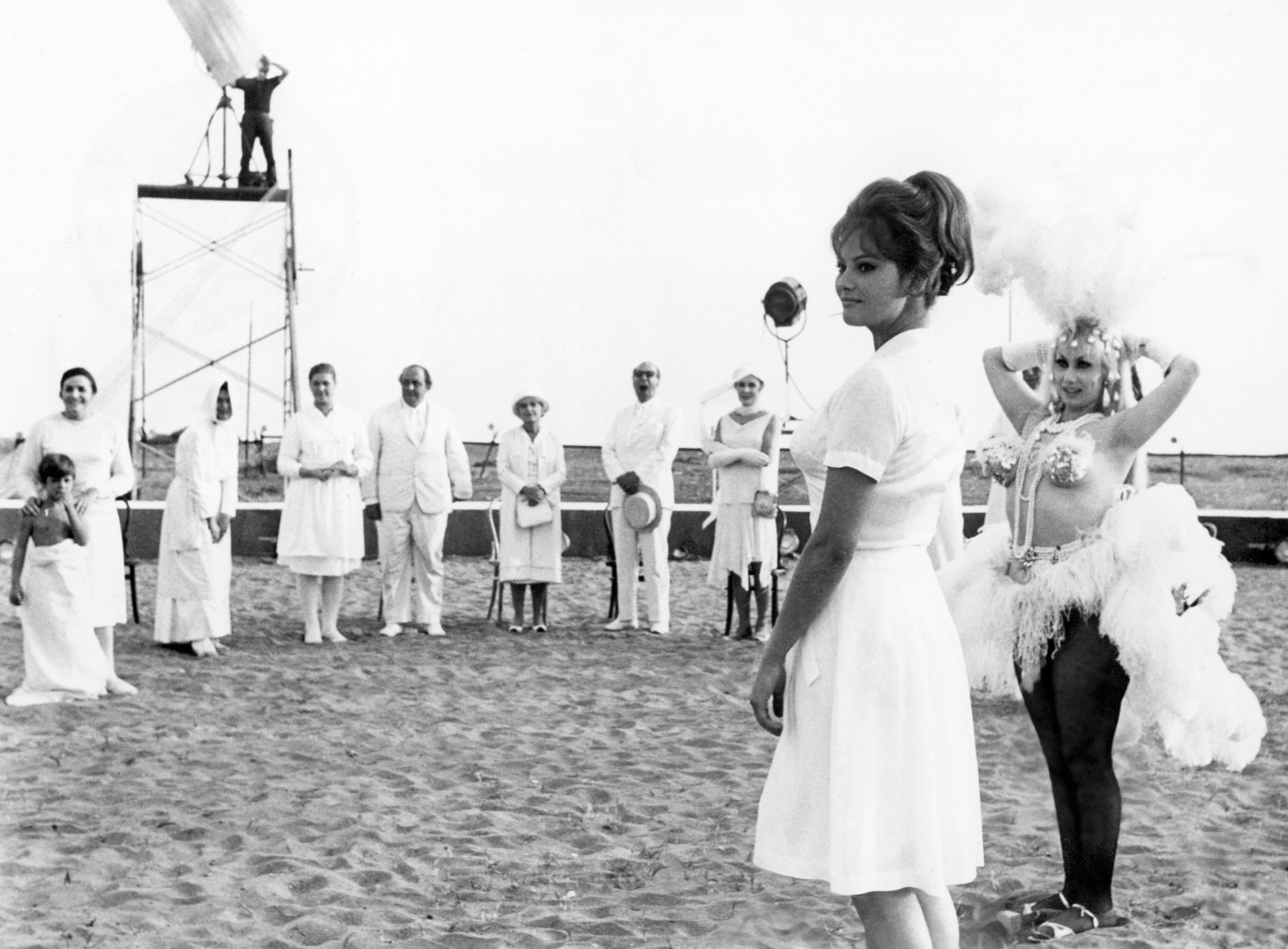
8½ (1963): A Surreal Journey Through the Mind

seaflog.com – Federico Fellini’s 1963 film, “8½,” is a surreal and introspective masterpiece that delves into the mind of a renowned filmmaker, Guido Anselmi. Played brilliantly by Marcello Mastroianni, Guido is a man struggling with a creative crisis, his personal life, and the pressures of the film industry.

A Dreamlike Narrative

Fellini’s film is a dreamlike exploration of memory, fantasy, and reality. It blends autobiographical elements with surreal imagery, creating a visually stunning and emotionally charged experience. Guido’s fragmented memories, his anxieties, and his desires are brought to life through a series of dream sequences, flashbacks, and fantastical encounters.

A Critique of the Film Industry

“8½” is not only a personal journey for Guido but also a critique of the film industry. Fellini satirizes the pressures and expectations placed on filmmakers, highlighting the constant struggle to balance artistic integrity with commercial success. The film industry is portrayed as a chaotic and often absurd world, where creativity is stifled by bureaucracy and conformity.

A Universal Exploration of the Human Condition

Despite its surreal and often bizarre elements, “8½” is a deeply human film that explores universal themes of identity, creativity, and the meaning of life. Guido’s existential crisis resonates with audiences, as he grapples with the challenges of growing older, the fear of failure, and the desire to make a meaningful contribution to the world.

A Cinematic Landmark

“8½” is considered one of the greatest films ever made, and its influence on cinema is undeniable. Its innovative storytelling techniques, stunning visuals, and profound themes have inspired countless filmmakers. It is a film that challenges traditional narrative structures, inviting viewers to engage with its dreamlike and often ambiguous imagery.

A Timeless Masterpiece

“8½” is a timeless masterpiece that continues to captivate audiences with its surreal beauty, intellectual depth, and emotional power. It is a film that invites multiple interpretations and rewards repeated viewings. Whether you are a cinephile or simply someone seeking a thought-provoking cinematic experience, “8½” is a must-watch.

Tribute: A Heartfelt Journey of Redemption

seaflog.com – Bob Clark’s Tribute (1980) is a poignant drama that explores themes of family, friendship, and the importance of seizing the moment. The film, starring the legendary Jack Lemmon, is a heartfelt and often humorous tale of a Broadway agent facing his mortality and attempting to mend broken relationships.   

A Career Defined by Triumph and Regret

Lemmon delivers a tour-de-force performance as Scottie Templeton, a charismatic but self-absorbed agent whose life is upended by a terminal illness. As he confronts his impending death, Scottie embarks on a journey of self-reflection and redemption, seeking to reconnect with his estranged son, his former lover, and his long-time friend.   

A Touching Exploration of Human Connection

Tribute delves into the complexities of human relationships, highlighting the importance of forgiveness, empathy, and gratitude. The film explores the impact of Scottie’s actions on those around him, as well as the consequences of neglecting one’s loved ones for the sake of career and ambition.

A Nostalgic Glimpse into the Golden Age of Broadway

Set against the backdrop of the glamorous world of Broadway, Tribute offers a nostalgic glimpse into the golden age of theater. The film captures the excitement and glamour of the stage, as well as the cutthroat nature of the entertainment industry.

A Timeless Tale of Love and Loss

Tribute is a timeless film that continues to resonate with audiences. Its powerful performances, poignant script, and heartfelt message make it a truly unforgettable cinematic experience. Whether you’re a fan of classic Hollywood cinema or simply appreciate a good story, Tribute is a must-watch.

The Grasshopper (1970): A Journey Through Life’s Ups & Downs

seaflog.com – “The Grasshopper,” a drama released in 1970, takes viewers on an emotional journey through the life of its protagonist, Christine Adams. Directed by Jerry Paris, this film delves into the complexities of personal growth, ambition, and the search for identity. With a poignant narrative and compelling performances, “The Grasshopper” offers a reflective look at the trials and triumphs of a young woman navigating the unpredictable path of life.

Plot Overview

The film follows Christine Adams, played by Jacqueline Bisset, a young woman who leaves her small-town life in British Columbia with dreams of finding excitement and success in the United States. Her journey takes her through a series of relationships and experiences as she moves from Las Vegas to Los Angeles, encountering both the glitz and grit of urban life.

Christine’s story is one of transformation and self-discovery. Along the way, she is faced with the harsh realities of love, betrayal, and the pursuit of happiness. As she navigates the challenges of her new life, Christine learns valuable lessons about resilience and the importance of staying true to oneself.

Themes and Character Development

“The Grasshopper” explores several themes, including the quest for identity and the impact of choices on personal growth. Christine’s journey is marked by her evolving understanding of what she truly desires from life. Her character development is central to the film, portraying her as a complex and multifaceted individual.

The film also addresses the societal expectations and pressures faced by women in the 1970s. Christine’s interactions with various characters highlight the gender dynamics of the time, as well as her determination to forge her own path in a world that often seeks to define her.

Cinematic Style and Direction

Director Jerry Paris employs a cinematic style that captures the vibrant yet volatile atmosphere of the cities Christine inhabits. The film’s visual and narrative elements work together to reflect the contrasting emotions and experiences that define Christine’s journey. The use of music and setting further enhances the storytelling, immersing audiences in the era’s cultural and social backdrop.

Reception and Legacy

Upon its release, “The Grasshopper” garnered attention for its bold portrayal of a woman’s quest for self-discovery. Jacqueline Bisset’s performance was particularly praised for its depth and authenticity, bringing Christine’s character to life with empathy and nuance.

While “The Grasshopper” may not have achieved widespread acclaim, it remains a noteworthy exploration of personal growth and the challenges of navigating life’s uncertainties. The film’s themes of resilience and self-awareness continue to resonate with audiences, offering insights into the universal experience of seeking one’s place in the world.

Conclusion

“The Grasshopper” is a thought-provoking drama that invites viewers to reflect on the complexities of life and the pursuit of identity. Through Christine Adams’ journey, the film captures the essence of growth, change, and the enduring quest for fulfillment. As a cinematic exploration of personal transformation, “The Grasshopper” offers a timeless narrative that speaks to the heart of the human experience.

The Ming Tombs: A Journey Through Imperial China’s Legacy

seaflog.com – The Ming Tombs, known as “Ming Shisan Ling” in Chinese, are a collection of mausoleums built by the emperors of the Ming Dynasty (1368–1644). Located approximately 50 kilometers northwest of Beijing, these tombs are a testament to the grandeur and architectural brilliance of imperial China. As one of the most significant historical and cultural sites in China, the Ming Tombs offer a fascinating glimpse into the lives and legacies of the Ming emperors.

Historical Background

The Ming Tombs were established by the third Ming emperor, Yongle, who also relocated the capital to Beijing and constructed the Forbidden City. The site was chosen based on Feng Shui principles, with the Tianshou Mountain providing a natural backdrop and protection. Over 200 years, thirteen emperors were buried here, each in their own elaborate mausoleum, showcasing the dynasty’s wealth, power, and cultural sophistication.

Architectural Splendor

Each tomb within the Ming Tombs complex is a masterpiece of traditional Chinese architecture, reflecting the unique style and preferences of the emperor it houses. The layout of each tomb follows a similar pattern, with a spirit way lined with statues of animals and officials leading to the main hall and burial mound. The most famous of these is the Changling Tomb, the largest and best-preserved, which houses Emperor Yongle and his empress.

The Sacred Way

The Sacred Way, or “Shen Dao,” is the grand entrance to the Ming Tombs. This seven-kilometer-long path is lined with magnificent stone statues of guardian figures, animals, and officials, symbolizing the emperor’s journey to the afterlife. The serene and imposing atmosphere of the Sacred Way sets the tone for the grandeur and reverence of the tombs themselves, offering visitors a solemn and awe-inspiring experience.

Cultural Significance

The Ming Tombs are not only a marvel of ancient Chinese architecture but also a rich cultural heritage site that reflects the beliefs, traditions, and artistic achievements of the Ming Dynasty. The careful planning and construction of the tombs demonstrate the importance placed on ancestor worship and the afterlife in Chinese culture. These tombs serve as a reminder of the dynasty’s historical impact and its contributions to Chinese civilization.

Preservation and Tourism

Today, the Ming Tombs are a UNESCO World Heritage Site, attracting millions of visitors each year. Efforts have been made to preserve and restore the tombs, ensuring that future generations can appreciate their historical and cultural value. Guided tours offer insights into the history and significance of each tomb, providing a deeper understanding of the Ming Dynasty and its emperors.

Conclusion

The Ming Tombs are a remarkable testament to the grandeur and cultural richness of China’s imperial past. As a destination of historical importance and architectural beauty, they offer a unique opportunity to explore the legacy of the Ming emperors and their contributions to Chinese history. For anyone interested in China’s imperial history and architectural heritage, the Ming Tombs provide a captivating journey into the heart of one of the country’s most influential dynasties.

A Journey Through Time: Japan’s Women in the Spotlight

seaflog.com – Japan has long been a country where tradition and modernity coexist, and this is particularly evident in the realm of women’s empowerment and achievements. The journey of Japanese women in various fields, from sports to politics, has been marked by significant milestones and challenges.

The Rise of Women in Professional Sports

One of the most notable areas where Japanese women have made significant strides is in professional sports. The story of 谢依旻, a Chinese-born Japanese professional Go player, is a testament to this. In 2016, she achieved a remarkable feat by winning the 28th edition of the 女流名人 (Nenrou Meijin, or Women’s Meijin) title, a prestigious title in the world of Go. This victory not only showcased her exceptional skills in the game but also highlighted the increasing visibility and success of women in traditionally male-dominated professional sports in Japan.

Breaking Barriers in Politics

The political landscape in Japan has also seen a gradual but significant shift towards greater representation of women. Although the country still lags behind many Western nations in terms of female political representation, there have been notable advancements. The appointment of Yuriko Koike as the Governor of Tokyo in 2016 was a historic moment, marking the first time a woman held such a high-profile political position in Japan. This appointment was seen as a positive step towards increasing female participation in politics and leadership roles.

Challenges and Opportunities

Despite these achievements, Japanese women continue to face significant challenges. The country’s traditional gender roles and societal expectations often hinder women’s advancement in various sectors. The glass ceiling in corporate Japan is a well-documented issue, where women struggle to reach top management positions.

However, there is a growing awareness and movement towards gender equality in Japan. The government and various organizations are implementing policies and initiatives aimed at empowering women and promoting gender diversity. The #MeToo movement, while not as prominent as in Western countries, has also gained traction in Japan, encouraging more women to speak out against sexual harassment and discrimination.

Conclusion

The journey of Japanese women is a complex narrative of progress and challenges. From sports to politics, women are increasingly making their mark and breaking barriers. While there is still much work to be done, the future looks promising as more women step into leadership roles and advocate for gender equality. Japan’s women are not just adding to the headlines; they are rewriting them, one achievement at a time.

A Journey Through Vintage: Epochs of Elegance

seaflog.com – Vintage fashion, a term that encapsulates the essence of bygone eras, has always held a special place in the hearts of fashion enthusiasts. It is not just about clothing; it’s a journey through time, a glimpse into the lives of our ancestors, and a testament to the evolution of style. Each garment tells a story, and every accessory adds a chapter to the narrative of elegance and sophistication. This article embarks on a journey through the epochs of elegance, exploring the timeless allure of vintage fashion.

The Roaring Twenties: The Dawn of Modernity

The 1920s marked a significant shift in fashion, mirroring the societal changes of the time. Women’s fashion saw a radical departure from the Victorian era’s restrictive corsets to the liberating flapper dresses. These dresses, characterized by their dropped waists, short hemlines, and bold patterns, symbolized the era’s spirit of freedom and modernity. The introduction of jazz music and the rise of Hollywood further influenced the fashion scene, making the 1920s an iconic decade in the history of vintage fashion.

The Swing Era of the 1940s: War and Rationing Chic

The 1940s, a decade marked by World War II, brought about a unique blend of utility and elegance in fashion. With fabric rationing in place, designers and homemakers alike had to get creative. The iconic zoot suits for men and the utility clothing for women, such as the land girl overalls, showcased the era’s ingenuity. Despite the hardships, fashion remained a source of joy and escape, with Hollywood stars like Audrey Hepburn and Katharine Hepburn setting trends that are still admired today.

The Groovy Sixties: The Age of Youth and Revolution

The 1960s was a decade of radical change, both socially and in fashion. The youth culture, spearheaded by the British mods and the American hippies, introduced a new wave of fashion that was bold, colorful, and experimental. The mini skirt, designed by Mary Quant, became a symbol of the sexual revolution, while the psychedelic prints and tie-dye reflected the era’s counterculture movement. The 1960s also saw the rise of prêt-à-porter, making high fashion accessible to the masses.

The Disco Fever of the 1970s: Glamour and Excess

The 1970s, often remembered for its disco culture, brought a new level of glamour and excess to fashion. Platform shoes, bell-bottoms, and jumpsuits became staples, reflecting the decade’s vibrant nightlife. The influence of music icons like Elton John and David Bowie, with their flamboyant stage outfits, further pushed the boundaries of fashion, making the 1970s a decade of self-expression and individuality.

The Power Dressing of the 1980s: The Rise of the Working Woman

The 1980s marked the era of power dressing, a direct reflection of the growing presence of women in the workforce. Shoulder pads became a prominent feature in both men’s and women’s fashion, symbolizing strength and authority. The decade also saw the rise of brand consciousness, with designer logos prominently displayed. Pop culture icons like Madonna and Michael Jackson played a significant role in shaping the fashion trends of the 1980s, making it a decade of bold statements and extravagance.

The Grunge and Glam of the 1990s: A Reaction to the Excess

In reaction to the excess of the 1980s, the 1990s brought a more laid-back approach to fashion. Grunge, influenced by the Seattle music scene, introduced a casual, anti-fashion aesthetic with flannel shirts, ripped jeans, and Doc Martens. In contrast, the rise of supermodels and the Spice Girls popularized a more glamorous, girl-power inspired look. The 1990s was a decade of dichotomy, where both minimalism and maximalism coexisted.

The Timeless Appeal of Vintage Fashion

Vintage fashion’s enduring appeal lies in its ability to evoke nostalgia, celebrate history, and inspire creativity. It serves as a reminder of the cyclical nature of trends and the importance of sustainability in fashion. By looking back, we gain a deeper appreciation for the craftsmanship and storytelling that vintage garments embody. Whether it’s the elegance of the 1920s, the utility chic of the 1940s, or the boldness of the 1980s, vintage fashion continues to influence and inspire, proving that true style is timeless.

Conclusion: Embracing the Past for a Sustainable Future

As we continue to navigate the ever-changing landscape of fashion, embracing vintage offers a sustainable and stylish alternative. It encourages us to look beyond fast fashion, to cherish the garments that have stood the test of time, and to appreciate the stories they carry. “Epochs of Elegance: A Journey Through Vintage” is not just a walk down memory lane; it’s a call to redefine our relationship with fashion, one vintage piece at a time.
Journey of Innovation and Cultural Impact: The Apple Brand

seaflog.com – In the ever-evolving landscape of technology, one brand has consistently stood out for its innovation, design, and ability to shape consumer behavior: Apple Inc. Founded in 1976 by Steve Jobs, Steve Wozniak, and Ronald Wayne, Apple has grown from a garage startup in California to a global titan that has revolutionized multiple industries. This article delves into the history, philosophy, and cultural impact of the Apple brand, exploring how it has become synonymous with cutting-edge technology and a lifestyle of simplicity and sophistication.

The Early Years: A Culture of Innovation:
Apple’s journey began with the release of the Apple I computer, a product that was not only technologically advanced but also user-friendly, setting the stage for the company’s future. The introduction of the Apple II in 1977 marked the first successful mass-produced personal computer, bringing computing into homes and businesses alike. Throughout the 1980s, Apple continued to innovate with the launch of the Macintosh in 1984, which featured the first mass-market graphical user interface and a mouse, making computing more accessible to the average user.

The Return of Steve Jobs and the Birth of a Digital Ecosystem:
After a tumultuous period that saw Steve Jobs leaving the company he co-founded, his return in 1997 marked the beginning of a new era for Apple. Jobs’ vision was to create not just standalone products but an integrated ecosystem of devices and services. The iMac, iPod, iPhone, and iPad were not just technological advancements; they were lifestyle products that transformed how people consumed media, communicated, and worked.

Design Philosophy:
Apple’s design philosophy is centered around simplicity, elegance, and user experience. The company’s products are known for their sleek, minimalist designs and intuitive interfaces that prioritize ease of use. This philosophy extends beyond hardware to software, with the development of macOS, iOS, and other operating systems that offer seamless integration across devices.

Cultural Impact:
Apple has transcended the realm of technology to become a cultural icon. The brand has cultivated a loyal customer base that sees Apple products as a statement of personal identity and taste. The iconic silhouette ads, product launch events that resemble rock concerts, and the late Steve Jobs’ black turtleneck have all contributed to the brand’s mystique. Apple’s marketing strategy, which emphasizes creativity and individuality, has made the brand a symbol of innovation and aspiration.

Environmental and Social Responsibility:
In recent years, Apple has also positioned itself as a leader in environmental and social responsibility. The company has committed to using renewable energy, reducing carbon emissions, and ensuring ethical labor practices in its supply chain. Apple’s initiatives, such as recycling programs and the use of recycled materials in its products, reflect a growing consumer demand for sustainability.

Conclusion:
Apple’s success is not just a testament to its technological prowess but also to its ability to understand and shape consumer desires. The brand’s relentless pursuit of innovation, coupled with its focus on design and user experience, has cemented its place in the pantheon of great brands. As Apple continues to evolve, its legacy as a driver of cultural and technological change remains undisputed, leaving a lasting impact on the world of technology and beyond.