Naan: A Versatile and Flavorful Flatbread

seaflog.com – Naan is a type of leavened flatbread that is a staple in many Indian and Middle Eastern cuisines. It is characterized by its soft, chewy texture and slightly charred flavor. Naan is often served hot, with butter or garlic, and is a popular accompaniment to curries, kebabs, and other savory dishes.

The Origins of Naan

The exact origins of naan are somewhat unclear, but it is believed to have originated in Central Asia, possibly in Persia. From there, it spread to India, where it became a beloved part of the culinary landscape. The word “naan” itself is derived from the Persian word “nān,” which simply means “bread.”

The Making of Naan

Naan is made from a simple dough of flour, water, yeast, and salt. The dough is kneaded until smooth and elastic, then left to rise. Once the dough has risen, it is rolled out into thin, round or oval shapes. The naan is then cooked in a tandoor, a cylindrical clay oven, which gives it its distinctive flavor and texture.

Types of Naan

While plain naan is the most common type, there are many variations, each with its own unique flavor and texture. Some of the most popular types of naan include:

  • Butter Naan: This is the most basic type of naan, simply brushed with butter before serving.
  • Garlic Naan: This type of naan is brushed with a mixture of butter, garlic, and herbs before baking.
  • Keema Naan: This naan is stuffed with a spicy minced meat filling.
  • Peshawari Naan: This naan is stuffed with a sweet filling of dried fruits and nuts.
  • Cheese Naan: This naan is stuffed with cheese, often mozzarella or paneer.

Serving Suggestions

Naan is incredibly versatile and can be enjoyed in a variety of ways. Here are a few serving suggestions:

  • With Curry: Naan is a perfect accompaniment to any type of curry, whether it’s a vegetable curry, a meat curry, or a lentil curry.
  • With Kebabs: Naan can be used to scoop up juicy kebabs, such as tandoori chicken or seekh kebabs.
  • With Chutney: Naan can be dipped in a variety of chutneys, such as mint chutney or tamarind chutney.
  • As a Snack: Naan can be enjoyed on its own as a snack, especially when topped with butter or garlic.

Why You Should Try Naan

Naan is a delicious and satisfying bread that is perfect for any occasion. It is easy to make at home, but it can also be purchased from many Indian and Middle Eastern restaurants. Whether you’re a fan of Indian cuisine or simply looking to try something new, naan is definitely worth a try.
Pissaladière: A Provençal Delight – A Flavorful Tart from Provence

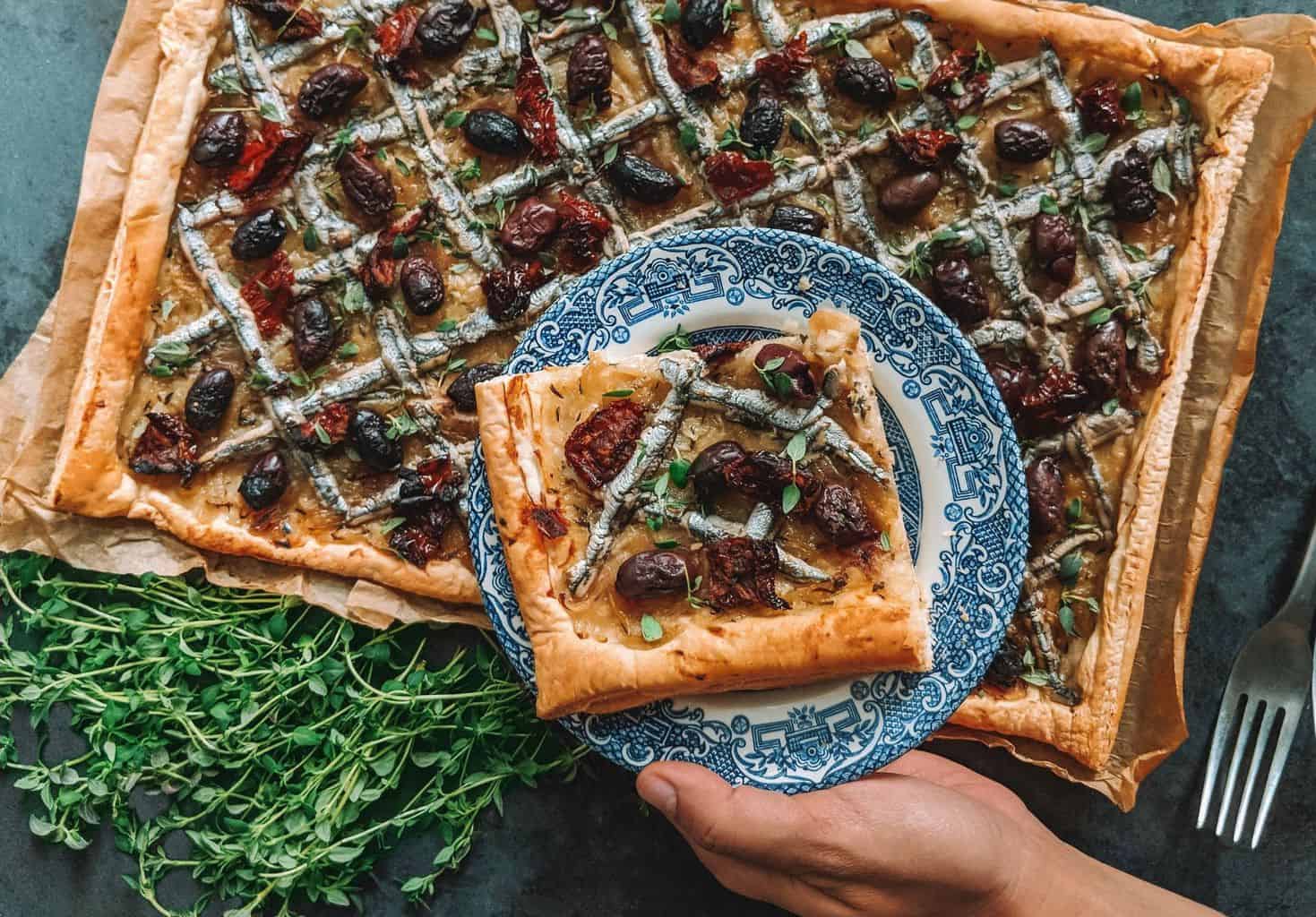
seaflog.com – Pissaladière, a savory tart with its roots firmly planted in the sun-drenched region of Provence, is a culinary treasure that has captivated taste buds for centuries. This iconic dish, characterized by its simple yet flavorful ingredients, is a testament to the region’s rich culinary heritage.

A Taste of Provence

At its core, pissaladière is a marriage of humble ingredients: a simple dough, a generous layer of caramelized onions, a sprinkle of black olives, and a few anchovies. While these elements may seem straightforward, the magic lies in their harmonious combination. The caramelized onions, with their sweet and savory notes, provide the foundation for the tart. The briny olives and salty anchovies add depth of flavor, while the flaky pastry provides the perfect vessel for this delicious filling.

A Historical Perspective

The origins of pissaladière can be traced back to ancient times when similar flatbreads were baked in hearths. Over the centuries, the dish evolved, incorporating local ingredients and culinary techniques. The name “pissaladière” is thought to derive from the Provençal word “pissala,” which refers to a type of fish sauce that was once used in the preparation of the tart.

A Modern Twist

While the classic pissaladière remains a beloved dish, modern chefs have put their own spin on this traditional recipe. Some variations include adding other vegetables like bell peppers or zucchini, or using different types of cheese, such as goat cheese or Gruyère. These creative interpretations pay homage to the original recipe while adding a contemporary twist.

Cassoulet: A Hearty French Winter Warmer – A Flavorful Stew

seaflog.com – Cassoulet, a hearty French bean and meat stew, is a culinary masterpiece that has been enjoyed for centuries. This iconic dish, originating from the Languedoc region of southwestern France, is a testament to the region’s rich culinary heritage. It’s a dish that embodies the spirit of French gastronomy, combining simplicity with sophistication, tradition with innovation.

A Symphony of Flavors

At its core, Cassoulet is a humble dish, made with simple, seasonal ingredients. However, the magic lies in the slow, gentle cooking process, which allows the flavors to meld and intensify. The traditional ingredients include:

  • White Beans: The foundation of Cassoulet, these beans are typically soaked overnight and then simmered until tender.
  • Duck: Duck confit, a fatty, tender meat, is a classic addition to Cassoulet. It adds richness and depth of flavor to the stew.
  • Sausage: Sausage, such as Toulouse sausage, is another essential ingredient. It provides a savory, meaty element to the dish.
  • Pork: Pork belly, shoulder, or trotters can also be added to the stew.
  • Garlic, Onions, and Herbs: These aromatics add depth and complexity to the flavor profile.
  • Red Wine: A good quality red wine, such as a Côtes du Roussillon, is used to braise the meat and vegetables.

The Art of Cassoulet

The preparation of Cassoulet is a labor of love. The beans are slowly simmered until they are tender and creamy. The meat, typically duck confit and sausage, is seared to develop a rich, caramelized crust, then braised in the flavorful bean and wine mixture. The dish is traditionally baked in a large, earthenware pot, known as a cassole, which helps to concentrate the flavors and create a crispy, golden crust on top.

Regional Variations

While Cassoulet is a dish with deep roots in the Languedoc region, there are several regional variations. The most famous are the Cassoulet Toulousain and the Cassoulet Castelnaudary. Each region has its own unique take on the dish, with slight variations in the ingredients and cooking methods.

A Modern Twist

In recent years, chefs have begun to experiment with Cassoulet, putting their own unique spin on this classic dish. Some have incorporated different types of beans, such as cranberry beans or black beans, while others have added exotic ingredients, such as truffles or foie gras. However, the heart of Cassoulet remains the same: a simple, hearty stew that celebrates the best of French cuisine.

A Winter Warmer

Cassoulet is the ultimate comfort food, perfect for warming up on a cold winter’s day. It’s a dish that is best shared with family and friends, as it encourages conversation and conviviality. So, gather around the table, pour a glass of red wine, and savor the rich, flavorful goodness of Cassoulet.

The Dragon Fruit: A Vibrant Exotic Delight

seaflog.com – The dragon fruit, a captivating fruit with its vibrant pink or yellow skin and striking scales, has gained popularity worldwide for its unique appearance and numerous health benefits. Native to Central and South America, this tropical fruit has now spread to various parts of the world, including Southeast Asia and Australia.

A Nutritional Powerhouse

Beyond its eye-catching exterior, the dragon fruit is a nutritional powerhouse, packed with essential vitamins, minerals, and antioxidants. Some of the key nutrients found in dragon fruit include:   

  • Vitamin C: A potent antioxidant that boosts immunity and promotes skin health.
  • Vitamin B1 and B2: Essential for energy metabolism and brain function.
  • Iron: Important for oxygen transport in the blood.
  • Phosphorus: Crucial for bone health and energy production.
  • Calcium: Essential for strong bones and teeth.

Health Benefits of Dragon Fruit

The impressive nutritional profile of dragon fruit offers a wide range of potential health benefits:

  1. Boosts Immunity: The high levels of vitamin C in dragon fruit can help strengthen the immune system, protecting the body against infections and diseases.
  2. Promotes Digestive Health: The fiber content of dragon fruit aids digestion, preventing constipation and promoting regular bowel movements.
  3. Supports Heart Health: The antioxidants in dragon fruit can help protect the heart from oxidative damage, reducing the risk of heart disease.
  4. Hydrates the Body: Dragon fruit is a good source of water, helping to keep the body hydrated, especially during hot weather or intense physical activity.
  5. Promotes Skin Health: The antioxidants in dragon fruit can help protect the skin from damage caused by free radicals, promoting a youthful and radiant complexion.

How to Enjoy Dragon Fruit

Dragon fruit is typically eaten fresh. To enjoy this tropical delight, simply cut the fruit open and scoop out the soft, white flesh. The flesh is sweet and slightly tangy, with a unique, refreshing flavor. Dragon fruit can also be added to smoothies, fruit salads, and other dishes.

Conclusion

The dragon fruit, with its vibrant appearance and impressive nutritional profile, is a truly exotic and beneficial fruit. Whether you’re looking to boost your immunity, improve your digestive health, or simply enjoy a delicious and refreshing snack, dragon fruit is an excellent choice. So, the next time you encounter this vibrant fruit, don’t hesitate to give it a try!

Lao Vun: A Refreshing Coconut Delight – A Jelly Delight

seaflog.com – Lao Vun, a popular Thai dessert, is a delightful concoction of coconut milk jelly, topped with a medley of sweet and savory ingredients. This refreshing and visually appealing dessert is a testament to the culinary creativity of Thai cuisine.

A Jelly Delight

At the heart of Lao Vun lies a smooth and silky coconut milk jelly. This jelly is made by combining coconut milk, sugar, and a thickening agent, typically agar-agar or gelatin. The mixture is then chilled until it sets, resulting in a translucent, wobbly delight.

A Symphony of Flavors

The jelly is often served with a variety of toppings, each adding its unique flavor and texture. Common toppings include:

  • Sweet Corn: Sweet corn kernels provide a burst of sweetness and a slightly crunchy texture.
  • Red Beans: Red beans, cooked until tender and sweetened, add a touch of earthy sweetness.
  • Jackfruit: The sweet and fragrant flesh of jackfruit offers a tropical twist.
  • Tapioca Pearls: Chewy tapioca pearls add a fun and playful element.

These toppings are often drenched in a sweet syrup, enhancing the overall flavor profile.

A Cultural Treasure

Lao Vun is more than just a dessert; it’s a cultural treasure that reflects the rich culinary heritage of Thailand. It’s often enjoyed during special occasions and festivals, symbolizing good luck and prosperity.

A Modern Twist

While traditional Lao Vun is a beloved classic, modern chefs have embraced its versatility, experimenting with different flavors and presentations. Some have incorporated exotic ingredients like durian or lychee, while others have played with unconventional shapes and sizes. These innovative interpretations have breathed new life into this timeless dessert, appealing to a wider audience and showcasing the endless possibilities of Thai cuisine.

A Culinary Journey

Whether you’re a seasoned foodie or a casual dessert enthusiast, Lao Vun is an unforgettable culinary experience. Its smooth, silky texture, combined with the sweetness of the toppings, creates a truly delightful sensation. So, the next time you have the opportunity to indulge in this Thai treasure, savor every spoonful and appreciate the artistry and passion that went into its creation.

Canjica: A Traditional Brazilian Delight

seaflog.com – Canjica is a cherished Brazilian dessert known for its comforting and creamy texture, made from white corn, coconut milk, and sugar. This sweet treat is particularly popular during the Festa Junina, a traditional June festival celebrated throughout Brazil. With its rich flavors and warm, hearty feel, canjica is a dessert that brings people together, evoking memories of family gatherings and festive celebrations.

Historical Background and Cultural Significance

The origins of canjica can be traced back to the colonial era, with influences from both African and indigenous Brazilian culinary traditions. Corn has long been a staple food in Brazil, and its use in canjica highlights the importance of this ingredient in Brazilian culture. Over time, the addition of coconut milk and sugar transformed this simple dish into a beloved dessert, enjoyed by generations.

Canjica holds a special place in the heart of Brazilian festivities. During the Festa Junina, it is customary to serve this dessert alongside other traditional foods, creating a sense of nostalgia and cultural pride among Brazilians.

Ingredients and Preparation

Canjica is made using white corn kernels, which are soaked and cooked until tender. The addition of coconut milk gives the dessert its creamy texture and a subtle tropical flavor. Sugar is added for sweetness, and spices such as cinnamon and cloves are often included to enhance the aroma and taste.

To prepare canjica, the soaked corn is simmered with coconut milk and sugar until the mixture thickens to a pudding-like consistency. The dessert is then flavored with spices and sometimes garnished with grated coconut or peanuts for added texture and flavor.

Serving and Enjoyment

Canjica is typically served warm, making it an ideal comfort food during cooler months or festive occasions. Its creamy consistency and sweet, slightly spiced flavor make it a favorite among both children and adults. While traditionally served in bowls, canjica can also be presented in individual cups for easy serving at parties and events.

In addition to its role in Festa Junina, canjica is enjoyed year-round, offering a taste of Brazilian warmth and hospitality. Whether shared among family members or offered to guests, canjica embodies the spirit of togetherness and celebration.

Conclusion

Canjica is more than just a dessert; it is a symbol of Brazilian tradition and community. Its simple yet flavorful ingredients create a dish that is both satisfying and comforting, reflecting the rich culinary heritage of Brazil. Whether enjoyed during a festive celebration or as a cozy treat at home, canjica remains a beloved part of Brazilian culture, offering a delicious taste of the country’s diverse flavors.

The Ancient Maritime Diet: Phoenician Feasts

seaflog.com – The Phoenicians, an ancient civilization known for their seafaring skills and expansive trade networks, had a unique culinary heritage that was heavily influenced by their maritime lifestyle. Located along the Mediterranean coast, they were adept at utilizing the rich resources of the sea and land, crafting a diet that supported their active, trade-focused way of life.

The Maritime Influence on the Phoenician Diet

The sea was central to Phoenician life, providing an abundance of seafood that formed a significant part of their diet. Fish, mollusks, and crustaceans were commonly consumed and often preserved through salting and drying techniques, allowing them to be stored for long voyages or traded with other cultures. The Phoenicians were also skilled in making garum, a fermented fish sauce that was a popular condiment across the Mediterranean.

Agricultural Riches and Trade Goods

While the sea supplied much of their protein, the fertile land around Phoenician settlements supported the cultivation of grains, fruits, and vegetables. Olives and grapes were particularly important, with olive oil and wine being staples of their diet and valuable trade goods. The Phoenicians’ extensive trade networks enabled them to access and incorporate exotic spices and ingredients from distant lands, enriching their culinary traditions.

Social and Cultural Significance of Feasts

Feasting was an integral part of Phoenician culture, serving as a means of reinforcing social bonds and demonstrating wealth and hospitality. These gatherings often featured an array of dishes showcasing their diverse diet, from seafood delicacies to richly flavored stews and breads. Feasts were also occasions for religious and ceremonial events, reflecting the Phoenicians’ spiritual beliefs and societal structures.

Conclusion

The Phoenician diet was a testament to their maritime prowess and adaptability, blending the bounty of the sea with the fruits of their agricultural and trade endeavors. Through their feasts, the Phoenicians not only nourished themselves but also celebrated their cultural identity and social cohesion. Their culinary legacy offers a glimpse into the vibrant life of one of the ancient world’s most influential seafaring peoples.

A Symbiotic Relationship: Wild Fruits and Biodiversity Conservation

seaflog.com – The intricate web of life on Earth is sustained by biodiversity, which encompasses the variety of species, genes, and ecosystems. Among the myriad components of biodiversity, wild fruits play a crucial role in maintaining ecological balance and supporting conservation efforts. This article explores the significance of wild fruits in biodiversity conservation and the mutual benefits that arise from their preservation.

The Role of Wild Fruits in Ecosystems

Wild fruits are a vital food source for a wide range of animals, including birds, mammals, reptiles, and insects. They provide essential nutrients and energy, particularly during breeding seasons and periods of food scarcity. The dispersal of seeds through animal consumption further aids in the propagation and genetic diversity of plant species, contributing to the resilience and stability of ecosystems.

Biodiversity Conservation and Wild Fruits

The conservation of wild fruits is integral to protecting the biodiversity of an area. By safeguarding fruit-bearing plants, conservationists can ensure the survival of the species that rely on them for sustenance. This interdependence highlights the importance of habitat preservation and the prevention of deforestation and habitat fragmentation, which can disrupt the natural distribution of wild fruits and the animals that depend on them.

Challenges in Conserving Wild Fruits

Despite their ecological significance, wild fruits face numerous threats, including habitat loss, climate change, and overharvesting. These challenges can lead to the decline of fruit-bearing species and the disruption of food chains. Conservation strategies must address these issues to protect the biodiversity that wild fruits support.

Conservation Strategies for Wild Fruits

To conserve wild fruits and the biodiversity they support, a multi-faceted approach is necessary. This includes the establishment of protected areas, sustainable land-use practices, and community-based conservation efforts. Additionally, research and monitoring of wild fruit populations can provide valuable insights into their ecological roles and inform conservation actions.

Conclusion

The conservation of wild fruits is not only about preserving a single group of plants but about maintaining the intricate balance of ecosystems. By protecting wild fruits, we safeguard the biodiversity that underpins the health of our planet. It is a responsibility that requires the collective effort of governments, organizations, and individuals to ensure that future generations can enjoy the rich tapestry of life that wild fruits help sustain.

International Snacks Invade America: The Global Palate

seaflog.com – In the ever-evolving landscape of American culinary trends, a new wave of flavor is making significant ripples: the invasion of international snacks. From the bustling streets of New York to the laid-back beaches of California, American consumers are increasingly embracing the diverse tastes and textures of snacks from around the globe. This global palate revolution is not only changing the way Americans snack but also reshaping the food industry’s approach to innovation and inclusivity.

The Rise of International Snacks in America

The American snack market has traditionally been dominated by a handful of homegrown brands, offering a relatively narrow range of flavors and formats. However, as globalization and immigration continue to weave their influence into the fabric of American society, consumers are becoming more adventurous in their food choices. This has led to a surge in demand for snacks that offer a taste of the world beyond America’s borders.

Supermarket shelves that once displayed rows of potato chips and pretzels now boast an array of exotic options. Japanese rice crackers, Mexican chili-lime peanuts, and Korean seaweed snacks are just a few examples of the international flavors that have found a place in the American snack aisle. Online marketplaces and specialty stores have also played a crucial role in making these global snacks more accessible, catering to both the curious foodie and the homesick expat.

Cultural Exchange Through Snacking

The popularity of international snacks in America is more than just a culinary trend; it’s a form of cultural exchange. Each snack tells a story of its origin, offering a bite-sized glimpse into the traditions and tastes of another country. For instance, the spicy, tangy flavors of Thai mango rolls can introduce Americans to the intricate balance of flavors that is a hallmark of Thai cuisine. Similarly, the delicate sweetness of French madeleines can evoke the elegance and sophistication of French pastry.

This cultural exchange is not a one-way street. As American consumers embrace these new tastes, they also learn to appreciate the diversity of global food traditions. This appreciation can lead to a greater understanding and acceptance of different cultures, making the world seem a little smaller and more interconnected.

The Impact on the Food Industry

The invasion of international snacks has not gone unnoticed by the food industry. Major snack companies are taking note of consumer preferences and are increasingly looking abroad for inspiration. This has led to collaborations and acquisitions that bring authentic global flavors to a wider audience. For example, American brands are partnering with international companies to create fusion snacks that combine familiar American tastes with exotic global spices and ingredients.

Moreover, the success of international snacks has encouraged food companies to diversify their product lines and experiment with new flavors. This has resulted in a more vibrant and dynamic snack market, where innovation is driven by a global perspective.

Challenges and Opportunities

While the invasion of international snacks has been largely positive, it has also presented challenges. For small-scale producers from other countries, navigating the American market can be daunting. Regulatory hurdles, distribution networks, and marketing strategies are all areas where these producers may face difficulties. Additionally, there is a risk of cultural appropriation or the dilution of authentic flavors as larger companies attempt to replicate the success of international snacks.

However, these challenges also present opportunities for collaboration and education. Partnerships between American companies and international producers can help overcome these obstacles, ensuring that the global palate revolution remains true to its roots. Moreover, the growing interest in international snacks can foster a greater appreciation for the diverse cultures that contribute to the global food landscape.

Conclusion

The invasion of international snacks into America is a testament to the changing tastes and attitudes of American consumers. As the world becomes more interconnected, the American palate is expanding to embrace the flavors of the globe. This culinary adventure is not only enriching the American snack market but also fostering a greater understanding and appreciation of different cultures. As we reach for a snack, we are reminded that sometimes, the most profound cultural exchanges can be found in the smallest of bites.