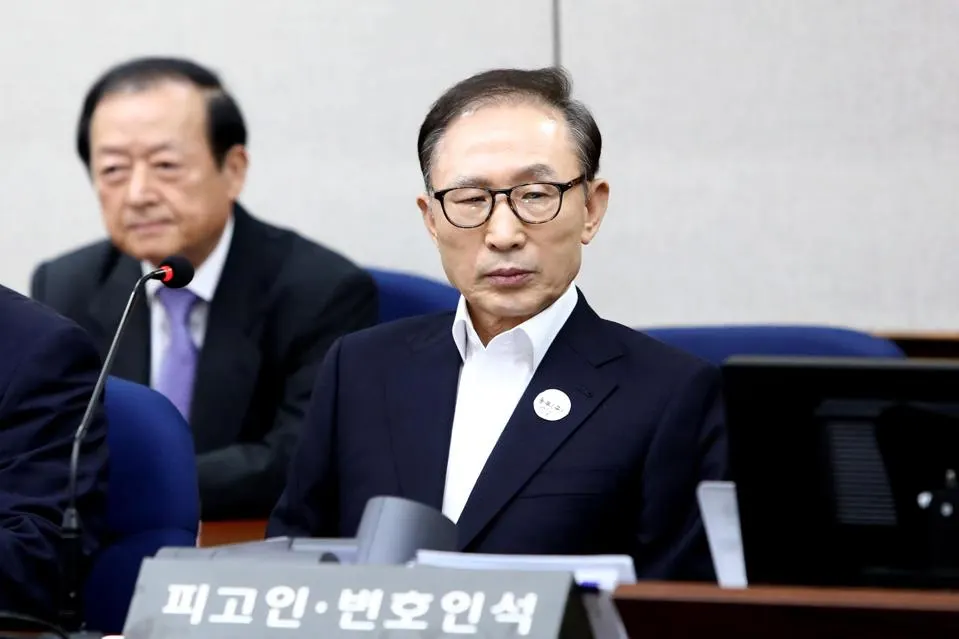
Lee Myung-bak (2008–2013): A Presidency for South Korea

seaflog.com – Lee Myung-bak served as the 12th President of South Korea from 2008 to 2013, marking a pivotal period in the country’s modern history. His tenure was characterized by ambitious economic reforms, heightened international diplomacy, and significant controversies that have shaped his legacy. Known for his business background, Lee’s presidency focused on revitalizing South Korea’s economy, enhancing its global influence, and navigating complex domestic and international challenges.

A Businessman Turned Politician: Lee Myung-bak’s Rise to Power

Before entering politics, Lee Myung-bak was a successful businessman, which set him apart from many of his predecessors. Born in 1941 in Osaka, Japan, Lee grew up in poverty in post-war Korea but rose to prominence through his work in the business world. He became the CEO of Hyundai Engineering and Construction, one of South Korea’s largest conglomerates, and played a pivotal role in the company’s growth during the 1970s and 1980s. Lee’s corporate background earned him the nickname “The Bulldozer,” reflecting his decisive, results-oriented leadership style.

Lee’s transition into politics was marked by his involvement in the mayoralty of Seoul from 2002 to 2006. His time as mayor showcased his ability to enact large-scale urban development projects, improve the city’s infrastructure, and enhance its global image. In 2007, Lee was elected as the candidate for the conservative Grand National Party (GNP) and won the 2007 presidential election with a platform focused on economic growth, fiscal responsibility, and strong governance. His election was seen as a shift toward a more business-focused leadership style for the country.

Economic Reforms and Growth: A Focus on Development

One of Lee Myung-bak’s defining goals as president was to improve South Korea’s economy, particularly in the wake of the global financial crisis of 2007-2008. His administration adopted a range of policies aimed at sustaining economic growth, increasing global competitiveness, and diversifying South Korea’s industries.

Lee’s government emphasized free-market reforms, deregulation, and large infrastructure projects, reflecting his business-oriented approach. His administration’s “Green Growth” initiative, which focused on environmentally sustainable development, gained international attention. Lee also worked to expand South Korea’s trade relations, particularly with emerging economies like China, while maintaining strong ties with traditional allies such as the United States and Japan.

Under Lee’s leadership, South Korea’s economy saw steady growth, though not without challenges. The global recession in the early years of his presidency led to slower-than-expected recovery, and critics argued that Lee’s economic policies disproportionately benefited large corporations. However, his efforts to modernize South Korea’s infrastructure, including new public transportation systems, and encourage innovation in technology and green energy had long-term positive impacts on the country’s development.

Foreign Policy and International Relations: Expanding South Korea’s Role

Lee Myung-bak sought to elevate South Korea’s role on the global stage, focusing on improving diplomatic relations with key countries and enhancing the nation’s influence in international affairs.

His foreign policy was often marked by a more assertive stance, particularly in relation to North Korea. Lee was a staunch critic of North Korean leader Kim Jong-il, adopting a tougher approach compared to his predecessors. His administration halted the “Sunshine Policy” of engagement with North Korea, which had been pursued by previous South Korean presidents. Instead, Lee favored a more conditional approach to inter-Korean relations, demanding denuclearization from North Korea before further aid or dialogue would take place.

Lee’s foreign policy also sought to strengthen South Korea’s alliances, particularly with the United States. He pursued closer ties with the Obama administration and worked to deepen economic and military cooperation. On the international front, Lee’s leadership in major global forums, such as the G20 summit, helped position South Korea as an influential player in global economic discussions.

In addition, Lee focused on increasing South Korea’s soft power, promoting its cultural exports like K-pop, films, and television, which gained international popularity during his presidency.

Controversies and Challenges: A Mixed Legacy

Despite his economic successes and foreign policy achievements, Lee Myung-bak’s presidency was also marked by several controversies that affected his legacy.

His administration’s handling of labor rights, income inequality, and corporate influence led to significant criticism from progressive groups. Many felt that Lee’s pro-business policies exacerbated wealth disparity and marginalized working-class South Koreans. Additionally, protests erupted over plans to import U.S. beef during the early years of his presidency, which led to large-scale public demonstrations, known as the “Beef Protest Movement.” The incident highlighted deep divisions in South Korean society and led to public dissatisfaction with Lee’s government.

One of the most contentious issues of Lee’s presidency was his response to North Korea. While his tough stance on North Korea’s nuclear program was supported by many in South Korea and the international community, it also led to heightened tensions on the Korean Peninsula. In 2010, North Korea’s deadly shelling of Yeonpyeong Island, which resulted in the deaths of four South Koreans, severely strained relations and led to calls for a reassessment of South Korea’s policy toward the North.

After his presidency, Lee’s political career faced legal challenges. In 2018, he was sentenced to a lengthy prison term for corruption and embezzlement, charges stemming from his time in office and his business dealings. The scandal tarnished his legacy and led to a reevaluation of his leadership and political decisions.

Conclusion: A President of Transformation and Controversy

Lee Myung-bak’s presidency (2008–2013) was one of transformation, driven by his business background and commitment to economic growth. His focus on modernizing South Korea’s infrastructure, expanding its global influence, and promoting green growth defined his time in office. However, his presidency was also marked by significant challenges, including controversies over labor rights, inter-Korean relations, and corruption allegations that continued to affect his legacy after he left office.

Lee’s time as president was a defining chapter in South Korea’s history, blending economic progress with contentious political issues. Whether viewed as a successful business-minded leader or a controversial figure with a complex legacy, Lee Myung-bak remains a key figure in shaping the trajectory of modern South Korea.
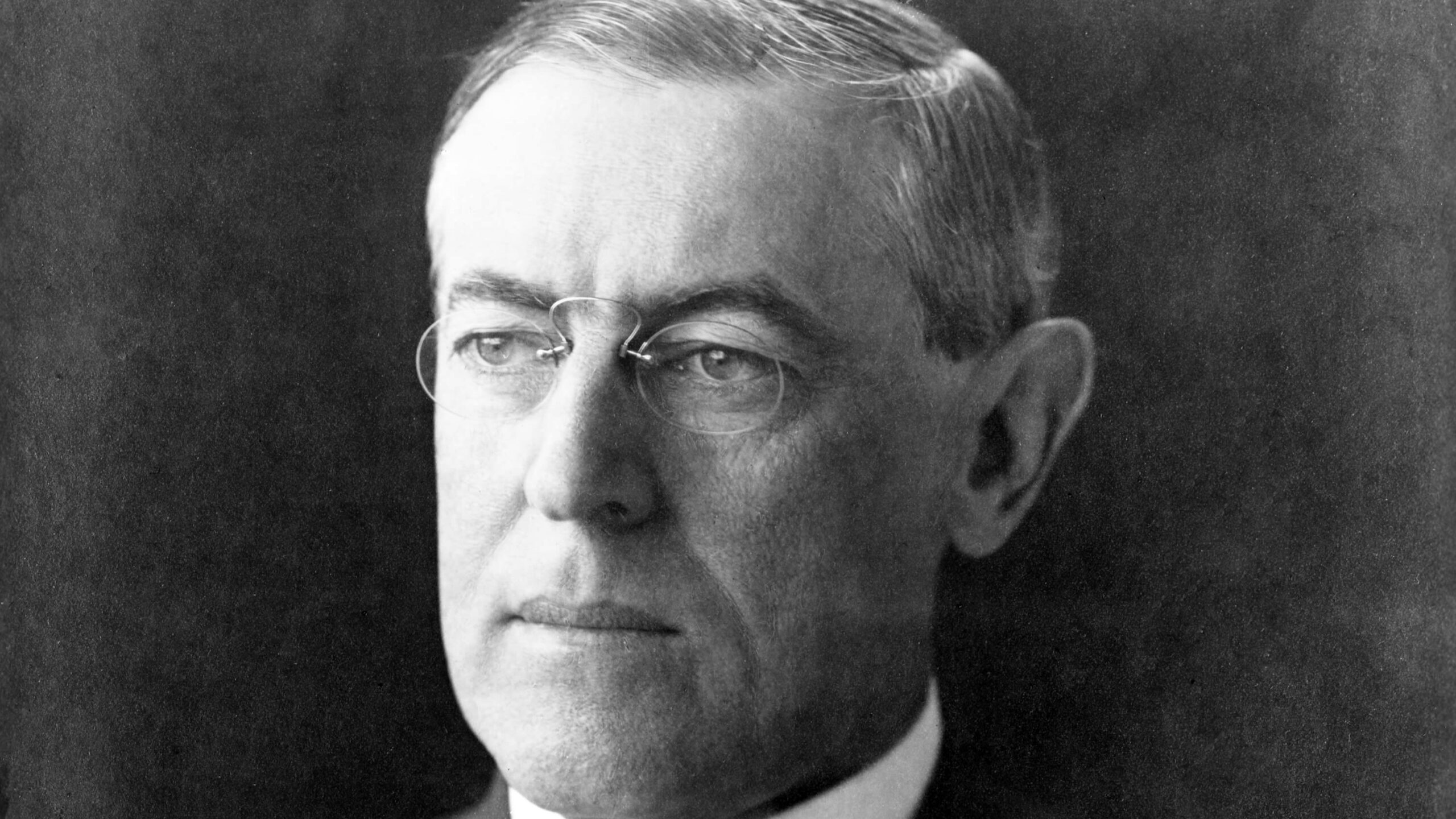
Woodrow Wilson: The 28th President of America (1913–1921)

seaflog.com – Woodrow Wilson, the 28th President of the United States, served from 1913 to 1921, a period marked by significant domestic reforms, the challenges of World War I, and the complex issues surrounding America’s role on the world stage. Known for his idealistic vision of democracy and international peace, Wilson’s presidency reshaped American politics and had a lasting impact on global affairs. His tenure was defined by progressive reforms, his leadership during the Great War, and his advocacy for the League of Nations, though his time in office was also marked by controversies over racial issues and his struggles to maintain unity after the war.

Early Life and Career

Born on December 28, 1856, in Staunton, Virginia, Woodrow Wilson was the son of a Presbyterian minister. He was raised in the South, during the tumultuous years leading up to the Civil War. Wilson attended Princeton University, where he developed an interest in history, political science, and philosophy. He later earned a Ph.D. from Johns Hopkins University, becoming a respected academic before entering politics.

Wilson began his political career as a professor and later as the president of Princeton University. His time at Princeton was marked by his efforts to modernize the institution and reform its political structure. His academic background and reformist ideals laid the foundation for his later political career.

In 1910, Wilson was elected governor of New Jersey, where he quickly gained a reputation as a progressive reformer. His platform focused on breaking the power of political machines, reducing corporate influence, and expanding social welfare programs. His success as governor propelled him to the national stage, and in 1912, he ran for president as the Democratic candidate.

The Presidency: 1913–1921

Wilson’s presidency was defined by his progressive domestic policies, his leadership during World War I, and his vision for a new world order. His idealism, combined with his commitment to progressive reform, shaped both his domestic policies and his foreign diplomacy.

Progressive Reforms

Wilson’s presidency is often remembered for its progressive achievements, as he sought to address the issues of economic inequality, corporate power, and political corruption. His administration enacted a series of reforms that aimed to bring about social justice and economic fairness.

  • Federal Reserve Act (1913): One of Wilson’s most significant domestic accomplishments was the creation of the Federal Reserve System, a central banking system designed to regulate the nation’s money supply, stabilize the economy, and prevent bank failures. The Federal Reserve Act established a central authority to manage monetary policy, which continues to be a cornerstone of U.S. economic policy.
  • Antitrust Legislation: Wilson continued the progressive tradition of breaking up monopolies and limiting the power of large corporations. The Federal Trade Commission (FTC) was established in 1914 to prevent unfair business practices, and Wilson signed the Clayton Antitrust Act in the same year, which strengthened antitrust laws and provided more tools to fight corporate monopolies.
  • Income Tax and Tariff Reform: Wilson championed the passage of the 16th Amendment in 1913, which allowed the federal government to levy an income tax. This was followed by the Underwood Tariff Act, which reduced tariffs and was designed to benefit consumers by lowering the cost of goods. The income tax was a key element of Wilson’s plan to redistribute wealth and promote economic fairness.
  • Labor Rights: Wilson’s administration also saw significant improvements in labor rights. The Adamson Act of 1916 established an eight-hour workday for railroad workers, and the Keating-Owen Child Labor Act sought to limit child labor, though this was later struck down by the Supreme Court.

World War I and American Neutrality

When Wilson assumed office in 1913, the world was already on the brink of conflict, and Europe was consumed by the tensions that would lead to World War I. Initially, Wilson sought to maintain neutrality, advocating for a policy of non-intervention and focusing on domestic reforms. However, as the war in Europe escalated, Wilson’s stance on neutrality became increasingly difficult to maintain.

In 1915, German submarines began sinking American ships, most notably the Lusitania, which killed 128 Americans. The growing threat to U.S. interests in Europe, combined with Germany’s unrestricted submarine warfare campaign, eventually led Wilson to ask Congress for a declaration of war against Germany in April 1917.

Leadership During World War I

Wilson’s leadership during World War I was characterized by his moral idealism and his belief in the principles of democracy and self-determination. He framed the war as a fight to “make the world safe for democracy” and sought to position the United States as a champion of global peace and cooperation.

Wilson’s vision for post-war peace was articulated in his “Fourteen Points,” which outlined his hopes for a just and lasting peace settlement. His key proposals included open diplomacy, freedom of the seas, the reduction of armaments, the self-determination of nations, and the creation of the League of Nations, an international organization aimed at preventing future wars.

The United States played a crucial role in the Allied victory, with American troops and resources tipping the balance in favor of the Allies. After the war ended in 1918, Wilson led the U.S. delegation to the Paris Peace Conference, where he pushed for the inclusion of the League of Nations in the Treaty of Versailles. Although the League was established, Wilson faced significant opposition at home.

The League of Nations and the Treaty of Versailles

Wilson’s most ambitious international goal was the creation of the League of Nations, a forum for nations to resolve disputes peacefully and prevent future conflicts. Despite his efforts to champion the League, the U.S. Senate rejected the Treaty of Versailles, refusing to join the League of Nations, largely due to concerns over American sovereignty and the potential for entangling alliances.

Wilson’s failure to secure Senate approval for the League marked a significant setback for his foreign policy vision and left the United States isolated from the post-war global order. Wilson’s health also deteriorated during this period, particularly after he suffered a stroke in 1919, further weakening his ability to rally support for his agenda.

Racial Issues and Controversies

While Wilson is often remembered for his progressive reforms, his presidency was also marked by significant racial controversies. Wilson, a southerner by birth, held views that were sympathetic to segregation and was slow to address racial issues. Under his administration, the federal government resegregated several federal agencies, and Wilson’s failure to address racial violence, particularly the rise of lynching, led to criticism from civil rights leaders like W.E.B. Du Bois.

Wilson’s handling of racial issues remains a deeply contentious aspect of his legacy. While his domestic and international achievements were significant, his stance on race has prompted reevaluation of his place in American history.

Legacy

Woodrow Wilson’s presidency left an enduring legacy, both in the domestic reforms he championed and his vision for a new world order. His domestic policies helped to establish a more active federal government, particularly in regulating business, managing the economy, and protecting workers’ rights. The Federal Reserve Act and the income tax continue to shape the U.S. financial system to this day.

Internationally, Wilson’s idealism in promoting self-determination and collective security through the League of Nations represented a dramatic shift in U.S. foreign policy, although the failure to join the League marked a missed opportunity for global cooperation. Wilson’s leadership during World War I solidified America’s place as a global power, and his influence on the development of international diplomacy set the stage for future efforts at global peace, including the establishment of the United Nations after World War II.

Despite his contributions, Wilson’s presidency is also marked by controversy, particularly in regard to his views on race and his failure to fully address the concerns of African Americans and other marginalized groups. Nonetheless, Wilson’s influence on both domestic and global affairs remains a defining feature of early 20th-century American history.