Boccaccio ’70: A Satirical Exploration of Love, Sex, and Society

seaflog.com – Boccaccio ’70 is a cinematic anthology film that pays homage to Giovanni Boccaccio’s 14th-century literary masterpiece, The Decameron. This 1962 Italian film, directed by four of Italy’s most celebrated filmmakers—Federico Fellini, Luchino Visconti, Vittorio De Sica, and Mario Monicelli—offers a satirical exploration of love, sex, and societal norms in 1960s Italy.   

Four Tales of Desire and Disillusionment

Each director contributes a distinct segment to the film, each exploring a different facet of human sexuality and relationships. 

  1. The Work (Il lavoro): Directed by Vittorio De Sica

    • A wealthy couple’s marriage is put to the test when the wife, tired of her husband’s infidelity, demands payment for her sexual services. This segment is a biting satire of the changing roles of women in society and the commodification of love. 
  2. The Temptation of Doctor Antonio (La riffa): Directed by Federico Fellini 

    • A prudish doctor, obsessed with public morality, finds himself entangled in a chaotic love triangle involving a beautiful woman and a naive young priest. Fellini’s signature surrealism and dark humor are on full display in this segment, as he satirizes hypocrisy and the clash between religious and sexual desires.
  3. The Renzo and Luciana Episode (Renzo e Luciana): Directed by Luchino Visconti

    • A young couple, Renzo and Luciana, navigate the challenges of love and work in a conservative society. Their struggle to maintain their relationship while adhering to strict workplace rules highlights the oppressive nature of societal norms. 
  4. The Taxi Driver’s Story (Le tentazioni del dottor Antonio): Directed by Mario Monicelli

    • A taxi driver, obsessed with a beautiful woman, embarks on a series of comical misadventures. Monicelli’s segment is a lighthearted comedy that explores themes of obsession, desire, and the absurdity of love.

A Timeless Exploration of Human Nature

Boccaccio ’70 is a bold and provocative film that challenges societal conventions and explores the complexities of human sexuality. The film’s four segments offer a diverse range of perspectives on love, desire, and relationships, reflecting the changing social landscape of the 1960s.   

The film’s enduring appeal lies in its timeless themes and its masterful storytelling. Each director brings their unique style and vision to the film, creating a rich and varied cinematic experience. Boccaccio ’70 remains a significant contribution to the history of cinema, a bold and innovative work that continues to captivate and provoke audiences.

Women’s Rights in Ancient Indian Society

seaflog.com – The status of women in ancient Indian society has been a subject of extensive study and debate. Ancient India, like many other ancient civilizations, had a complex and evolving social structure that influenced the rights and roles of women. This article explores the various aspects of women’s rights in ancient Indian society, highlighting both the positive and negative aspects of their status.

Economic and Legal Rights

In ancient India, women had certain economic and legal rights, particularly in the early Vedic period. Women were allowed to own and inherit property, and they could participate in economic activities. The Manusmriti, an ancient legal text, recognized the rights and responsibilities of women, although it also imposed certain societal norms and restrictions.

Social and Cultural Status

The social and cultural status of women in ancient India varied across different periods and regions. In the early Vedic period, women were treated with respect and dignity. They were considered equal to men and were honored in society. Women like Gargi, Maitreyi, Sita, Draupadi, and Alapa were highly respected and played significant roles in their communities.

However, the status of women declined in the later Vedic period and during the medieval era. The Manusmriti and other texts imposed strict patriarchal values, limiting women’s rights and freedoms. Women were expected to be subservient to their fathers, husbands, and sons, and were often denied the right to education and participation in religious rituals.

Religious and Spiritual Roles

In ancient Indian society, women also held important religious and spiritual roles. They were allowed to participate in religious ceremonies and were considered essential for the performance of rituals. The concept of women as “Janani” (mother) and “Devi” (goddess) highlighted their revered status in Hinduism.

Challenges and Discrimination

Despite the positive aspects, women in ancient India faced significant challenges and discrimination. The practice of Sati, where widows were expected to immolate themselves on their husband’s funeral pyre, was a stark example of the oppressive practices that existed. Additionally, the institution of the dowry and the preference for male children led to the neglect and mistreatment of women.

Conclusion

The status of women in ancient Indian society was a complex interplay of respect, rights, and restrictions. While women enjoyed certain privileges and were honored in some aspects of society, they also faced significant discrimination and oppression. Understanding this historical context is crucial for appreciating the ongoing efforts to empower women in modern Indian society.

The Role of Women in Tunisian Society: Bourguiba’s Reforms – Today

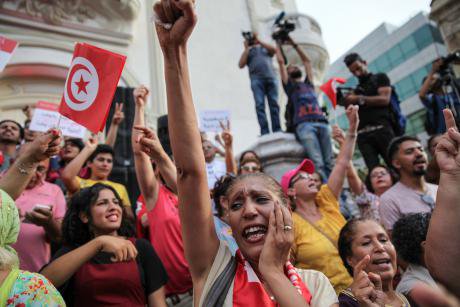
seaflog.com – The role of women in Tunisian society has undergone significant transformation over the past century, particularly since the country gained independence from France in 1956. This evolution is closely linked to the progressive reforms initiated by President Habib Bourguiba and the subsequent developments in Tunisian law and culture. Today, Tunisian women continue to navigate a path between tradition and modernity, advocating for their rights and contributing to the nation’s social and economic fabric.

Bourguiba’s Reforms: A Milestone for Gender Equality

Upon independence, President Habib Bourguiba recognized the importance of women’s rights as a cornerstone of modern Tunisian society. In 1956, just one month after gaining independence, Tunisia adopted the Code of Personal Status (CPS), a revolutionary set of laws that granted women unprecedented rights in the Arab world. The CPS abolished polygamy, granted women the right to divorce, and raised the minimum age for marriage. These reforms were a bold step towards gender equality and set Tunisia apart from its neighbors.

Education and Employment: Paving the Way for Progress

Bourguiba’s reforms also emphasized the importance of education for women, leading to significant improvements in literacy rates and access to higher education. As a result, Tunisian women have become increasingly active in the workforce, contributing to various sectors of the economy. Today, Tunisian women are found in professional roles across the board, from medicine and engineering to business and politics.

Political Participation: Breaking Barriers

The political landscape in Tunisia has also seen the rise of women leaders and activists. Following the Jasmine Revolution in 2010-2011, Tunisian women played a crucial role in the democratic transition, advocating for their rights and participating in the drafting of the new constitution. The 2014 constitution enshrined gender equality and prohibited discrimination based on gender, marking another significant milestone for women’s rights in Tunisia.

Challenges and Advocacy: The Ongoing Struggle

Despite these advances, Tunisian women still face challenges, including gender-based violence, economic disparities, and social conservatism. Activists and organizations continue to work towards addressing these issues, advocating for legal reforms and raising public awareness. The #MeToo movement and other global feminist initiatives have found resonance in Tunisia, inspiring a new generation of women to speak out and demand change.

Conclusion

The role of women in Tunisian society has evolved significantly since Bourguiba’s reforms, with Tunisian women making strides in education, employment, and political participation. While challenges remain, the resilience and determination of Tunisian women, coupled with progressive legal frameworks, continue to drive the agenda for gender equality forward. As Tunisia looks to the future, the contributions of its women will be essential in shaping a nation that is both modern and inclusive.