The Majestic Manta Ray: Gentle Giants of the Ocean

seaflog.com – Manta rays, often referred to as “gentle giants,” are awe-inspiring creatures that inhabit the world’s oceans. These magnificent rays, belonging to the genus Mobula, are renowned for their large size, distinctive appearance, and graceful swimming style. With their wide wingspans and curious nature, manta rays captivate the hearts of divers, snorkelers, and marine enthusiasts alike.   

Physical Characteristics

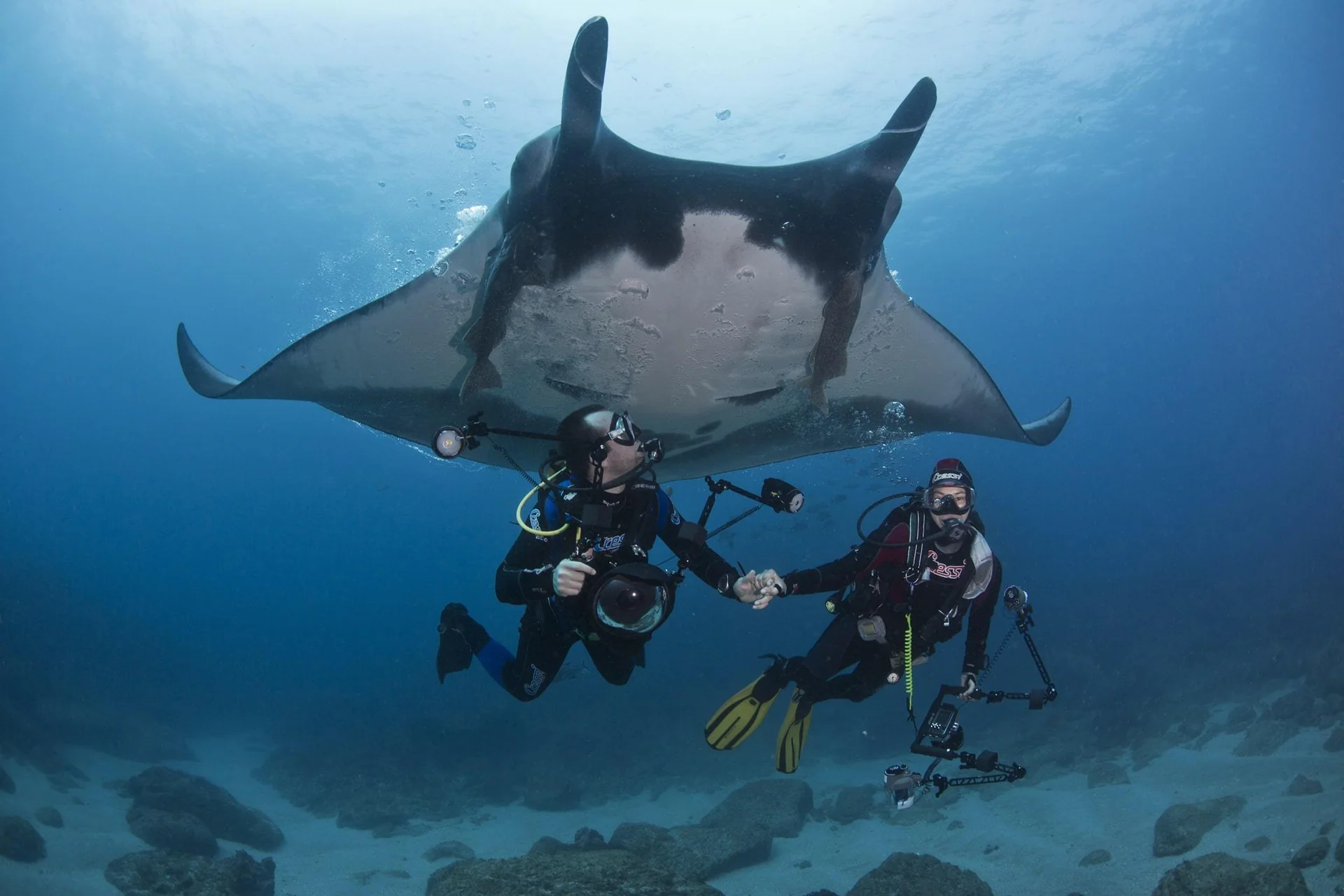
Manta rays are easily recognizable by their diamond-shaped bodies and enormous wing-like pectoral fins. They possess two cephalic fins, often called “horns,” which they use to funnel plankton-rich water into their mouths. These gentle giants can grow to impressive sizes, with the largest species, the giant oceanic manta ray (Mobula birostris), reaching a wingspan of up to 23 feet (7 meters).   

Behavior and Ecology

Manta rays are filter feeders, primarily consuming plankton, including copepods and krill. They swim slowly through the water, opening their mouths wide to capture their prey. Their large brains and complex social behaviors make them fascinating subjects of study. Manta rays often engage in social activities, such as schooling and cleaning symbioses with smaller fish.   

These rays are highly migratory, traveling long distances between feeding and breeding grounds. They are known to inhabit both coastal and oceanic waters, from tropical to temperate regions. Their ability to navigate vast distances and return to specific locations highlights their remarkable intelligence and navigational skills.   

Conservation Status

Despite their majestic presence, manta rays face numerous threats, including accidental capture in fishing gear, habitat loss, and pollution. Many countries have implemented measures to protect these gentle giants, such as establishing marine protected areas and banning targeted fishing. However, more efforts are needed to ensure their long-term survival.   

The Importance of Manta Rays

Manta rays play a crucial role in marine ecosystems. As top predators, they help regulate lower trophic levels and contribute to the overall health of their habitats. Additionally, they are important indicators of ecosystem health, as their presence can signal a thriving marine environment.   

Diving and Snorkeling with Manta Rays

For divers and snorkelers, encountering a manta ray is an unforgettable experience. Many popular dive destinations offer opportunities to swim with these gentle giants. It is important to follow responsible diving and snorkeling practices to minimize disturbance to these animals and their habitats.

Conclusion

Manta rays are truly remarkable creatures that inspire awe and wonder. By understanding and protecting these gentle giants, we can ensure their continued existence for generations to come. Let us work together to conserve these magnificent animals and preserve the marine ecosystems they inhabit.
Cachi: A Majestic Andean Peak – Geology and Formation

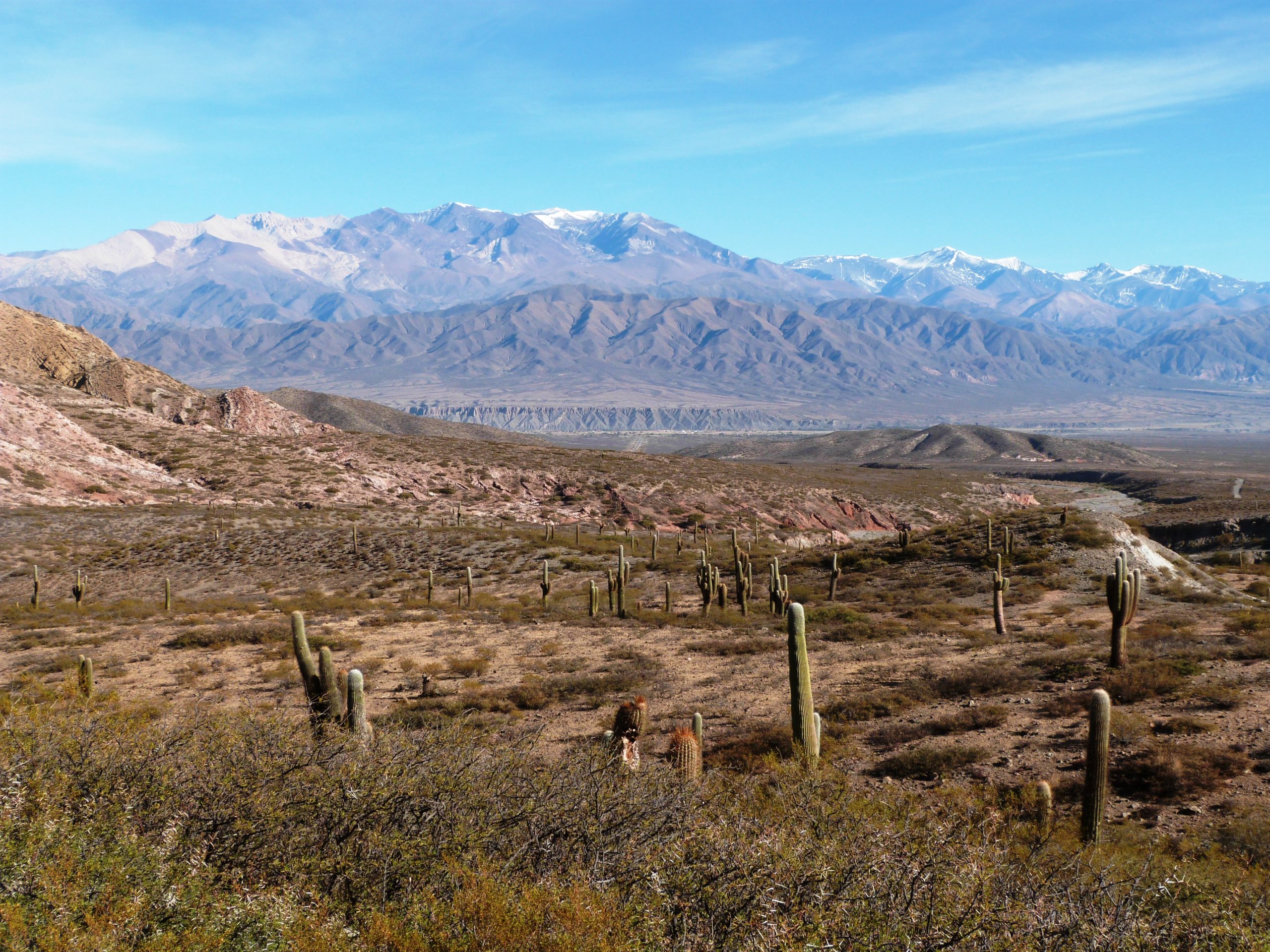
seaflog.com – In the heart of the Argentine Andes, nestled within the Salta Province, lies a majestic stratovolcano named Cachi. With a summit reaching an impressive 6,380 meters (20,930 feet), Cachi stands as a testament to the raw power and beauty of the natural world. Its imposing presence, coupled with its rich geological history and challenging terrain, has captivated mountaineers and nature enthusiasts alike.

Geology and Formation

Cachi is a stratovolcano, a type of volcano characterized by its steep conical shape formed by layers of lava flows, volcanic ash, and tephra. Its formation is a result of complex geological processes that have shaped the Andes mountain range over millions of years. The convergence of tectonic plates in this region has led to intense volcanic activity, resulting in the creation of numerous volcanoes, including Cachi.

The volcano’s slopes are adorned with a variety of volcanic features, including lava flows, volcanic ash deposits, and glacial valleys. These geological formations offer valuable insights into the volcano’s history and provide clues about past eruptions.

Climbing Cachi: A Challenging Endeavor

Cachi is a challenging mountain to climb, requiring technical expertise, physical fitness, and a high level of acclimatization. The ascent typically involves navigating steep slopes, traversing glaciers, and dealing with high-altitude conditions. The journey to the summit is often arduous, but the rewards are immense.

The most common route to the summit is the Normal Route, which starts from the Cachi base camp. This route involves a series of challenging climbs, including the iconic Quevar Pass, which offers breathtaking views of the surrounding peaks.

Environmental Significance and Conservation

Cachi is not only a geological marvel but also an important ecological habitat. Its slopes support diverse ecosystems, including high-altitude grasslands, alpine meadows, and glacial lakes. These ecosystems are home to a variety of endemic species, many of which are threatened by human activities and climate change.

The protection and conservation of Cachi and its surrounding environment are crucial for preserving biodiversity and ensuring the long-term sustainability of the region. Efforts are being made to promote responsible tourism and sustainable practices in the area, aiming to minimize the impact of human activities on the fragile ecosystem.

Conclusion

Cachi is a magnificent stratovolcano that stands as a testament to the power and beauty of the natural world. Its imposing presence, challenging terrain, and rich geological history continue to attract mountaineers and nature enthusiasts from around the globe. As we strive to understand and appreciate this majestic peak, it is essential to prioritize its conservation and protection for future generations.

Kenya’s Majestic Safari Destinations: Wildlife Wonders

seaflog.com – Kenya, a country renowned for its breathtaking landscapes and diverse wildlife, offers some of the most majestic safari destinations in the world. From the vast savannahs of the Maasai Mara to the tranquil shores of Lake Nakuru, Kenya’s national parks and reserves are a testament to the beauty of the natural world. This article will explore the top safari destinations in Kenya, highlighting the unique experiences and wildlife encounters that await adventurous travelers.

Maasai Mara National Reserve

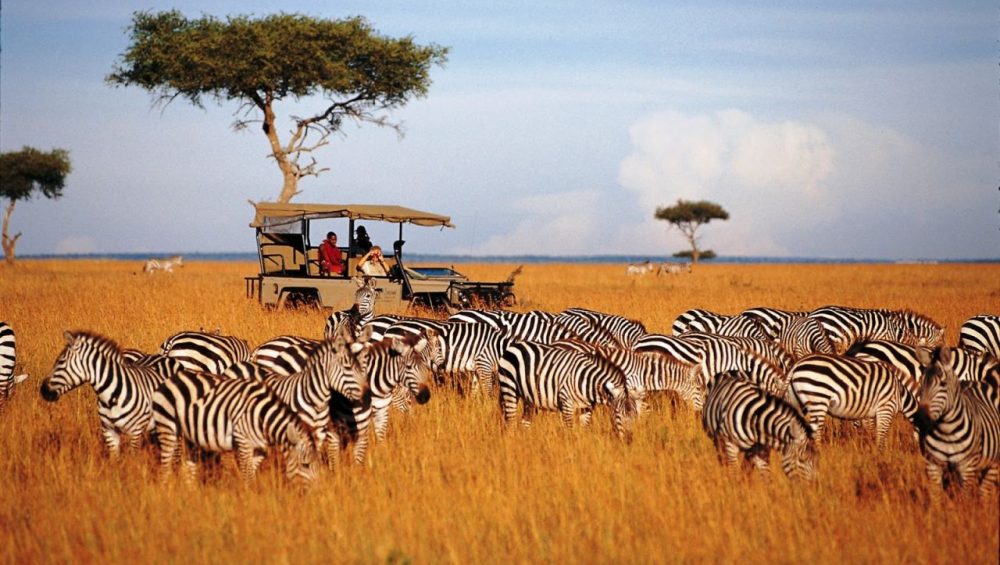
The Maasai Mara is perhaps the most famous safari destination in Kenya, known for its annual wildebeest migration and abundant big cat population. Visitors can witness the great migration, where millions of wildebeest and zebra cross the Mara River, a spectacle that is both awe-inspiring and humbling. The reserve is also home to the “Big Five” – lion, leopard, elephant, rhino, and buffalo – making it a prime destination for wildlife enthusiasts.

Amboseli National Park

Amboseli National Park is celebrated for its stunning views of Mount Kilimanjaro, Africa’s highest peak. The park is a haven for elephants, with over 1,500 of these majestic creatures roaming the swamps and plains. Amboseli is also known for its birdlife, with over 400 species recorded, making it a paradise for birdwatchers.

Samburu National Reserve

Samburu National Reserve offers a different wildlife experience, with species that are unique to the arid northern regions of Kenya. The reserve is home to the “Samburu Special Five” – the reticulated giraffe, Grevy’s zebra, Somali ostrich, Beisa oryx, and the gerenuk. The rugged terrain and unique wildlife make Samburu a must-visit for those looking to explore Kenya’s lesser-known safari destinations.

Lake Nakuru National Park

Lake Nakuru National Park is famous for its millions of flamingos that turn the lake’s shores a vibrant pink. The park is also an important sanctuary for the black and white rhino, as well as other endangered species such as the Rothschild’s giraffe. The lush green landscapes and serene lake provide a tranquil setting for wildlife viewing.

Tsavo National Park

Tsavo is the largest national park in Kenya and is divided into East and West. Tsavo East is known for its vast, arid landscapes and large herds of elephants, while Tsavo West offers a more diverse ecosystem with rivers, lakes, and volcanic formations. The park is a great place to see the “Big Five” and offers a true wilderness experience.

Conclusion

Kenya’s safari destinations are a window into the soul of Africa, offering a glimpse into the lives of some of the world’s most magnificent creatures. Whether you’re witnessing the great migration in the Maasai Mara, observing elephants against the backdrop of Mount Kilimanjaro in Amboseli, or exploring the unique wildlife of Samburu, a safari in Kenya is an unforgettable adventure. With its rich biodiversity and stunning landscapes, Kenya remains one of the premier safari destinations on the planet, inviting travelers to experience the wonders of the wild.