Dr. Jart+ Dermaclear Micro Water: A Refreshing Solution

seaflog.com – Dr. Jart+ Dermaclear Micro Water is a revolutionary micellar water that offers a powerful yet gentle solution for cleansing the skin. This innovative product combines the effectiveness of micellar technology with a soothing and hydrating formula, making it ideal for all skin types, especially sensitive skin. It works by removing impurities, makeup, and excess oils without the need for rinsing, leaving the skin refreshed and clean. Its unique blend of ingredients helps promote a balanced complexion, making it a staple in daily skincare routines.

How Does Dr. Jart+ Dermaclear Micro Water Work?

Dr. Jart+ Dermaclear Micro Water uses micellar technology, which involves tiny micelles (molecules of oil) suspended in water. These micelles act as magnets that attract and capture dirt, oil, makeup, and other impurities from the skin’s surface. When applied to the skin with a cotton pad, the micelles break down and lift away makeup and impurities without the need for harsh scrubbing or rinsing. This water-based formula is designed to cleanse, hydrate, and refresh the skin, while maintaining its natural moisture balance.

Benefits of Dr. Jart+ Dermaclear Micro Water

  1. Gentle on Skin: The formula is alcohol-free and designed to be non-irritating, making it suitable for sensitive and delicate skin.
  2. Effective Makeup Removal: It effectively removes makeup, including waterproof formulas, without causing dryness or irritation.
  3. Hydrating Formula: The Dermaclear Micro Water helps maintain the skin’s hydration levels, leaving the skin feeling soft and refreshed.
  4. Calming and Soothing: It contains calming ingredients that help reduce redness and irritation, making it ideal for reactive skin types.
  5. Convenient Cleansing: The no-rinse formula makes it easy to use, whether you’re at home or on the go.

How to Use Dr. Jart+ Dermaclear Micro Water

To use Dr. Jart+ Dermaclear Micro Water, simply saturate a cotton pad with the product. Gently wipe the cotton pad across your face, neck, and eyes to remove makeup, dirt, and other impurities. No rinsing is required—just let the formula absorb into your skin. It can be used as the first step in your skincare routine or throughout the day for a refreshing pick-me-up.

Why Choose Dr. Jart+ Dermaclear Micro Water?

Dr. Jart+ is a trusted brand known for its high-quality skincare products that combine dermatological science with innovative technology. Dermaclear Micro Water stands out for its ability to cleanse without stripping the skin, making it suitable for a wide range of skin types, including sensitive and acne-prone skin. The gentle formula and hydrating properties provide a refreshing, effective cleansing experience without causing irritation or dryness.

Conclusion

Dr. Jart+ Dermaclear Micro Water is the perfect addition to any skincare routine for those seeking a quick, gentle, and effective way to cleanse their skin. Its ability to remove makeup and impurities while hydrating and soothing the skin makes it an essential product for maintaining a clean, refreshed complexion. Whether you’re looking for a gentle makeup remover or a hydrating toner, Dr. Jart+ Dermaclear Micro Water offers a versatile solution that can elevate your skincare routine.

The Diet of Water Buffalo: Grazers of Wetlands & Grasslands

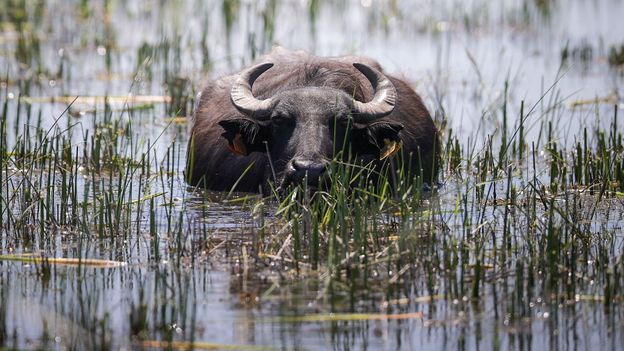
seaflog.com – Water buffalo (Bubalus bubalis) are large herbivorous mammals native to Southeast Asia and widely domesticated for agricultural and dairy purposes across the world. These animals are primarily grazers, but their diet is diverse and adapted to their wetland and grassland habitats. Whether wild or domesticated, water buffalo thrive in environments where water is abundant, and their feeding habits reflect the needs of their ecosystem. Let’s explore the various foods that make up the diet of water buffalo and how these animals contribute to the landscapes they inhabit.

1. Grasses: The Core of the Water Buffalo Diet

The majority of a water buffalo’s diet consists of grasses, which form the foundation of their nutrition. Water buffalo are well-adapted to grazing on a wide variety of grasses, including both short and tall species. They prefer moist, nutrient-rich grasses found in wetlands, marshes, and grasslands. These grasses provide them with essential carbohydrates and fiber, which are necessary to fuel their large bodies and maintain their energy levels.

Wild water buffalo are typically found in areas with abundant grassland, such as the floodplains of Southeast Asia, while domesticated buffalo are often kept in similar habitats, including rice paddies and pastureland. The high fiber content in grasses is crucial for their digestion and overall health.

2. Aquatic Plants: A Unique Feeding Preference

Water buffalo are closely associated with water and can often be seen wading through streams, ponds, and marshes. As semi-aquatic animals, they have access to a variety of aquatic plants, which make up an important part of their diet. These include water grasses, reeds, and water lilies. The aquatic plants offer not only nourishment but also essential minerals, particularly sodium, which is less abundant in terrestrial plants.

In wetland habitats, water buffalo graze on submerged vegetation and often submerge their heads completely to access water plants. This feeding behavior is beneficial in environments where dry land grazing is scarce or during periods when grasses are not as abundant.

3. Leaves and Shrubs: Browsing for Variety

While grasses and aquatic plants dominate their diet, water buffalo are also known to browse on shrubs, leaves, and young trees. They consume the leaves, twigs, and bark of various shrubs such as willows, acacia, and other softwood species. This browsing behavior provides variety to their diet, particularly during the dry season when grasses may become less plentiful.

Water buffalo are not strict grazers and will switch to browsing when necessary, especially in areas where other types of vegetation are more readily available. Their ability to adapt to different food sources helps them survive in a variety of environments, from wetlands to forested areas.

4. Rice and Agricultural Byproducts: A Domesticated Diet

Domesticated water buffalo are often kept in agricultural settings, where they may be fed supplemental foods to support their productivity. Rice straw, leftover grains, and other agricultural byproducts make up a significant portion of their diet. These animals are well-suited for grazing on crop residues, particularly in regions where rice farming is common.

In addition to rice straw, domesticated buffalo are sometimes fed silage, hay, and grain-based feed. This supplemental diet is particularly important for dairy buffalo or those raised for milk production, as it ensures they receive adequate nutrition for milk production and overall health.

5. Seasonal Diet Variation

The water buffalo’s diet shifts with the seasons, particularly in areas where access to food is influenced by rainfall patterns and temperature changes:

  • Rainy Season: During the wet season, when water levels are high and grasses are abundant, water buffalo can graze freely on fresh, lush vegetation. The abundance of water plants also provides them with plenty of food options.
  • Dry Season: In drier months, when grasses may be less abundant and water sources shrink, water buffalo rely more heavily on browsing shrubs and trees. In domesticated settings, supplemental feeding with hay, silage, or crop residues becomes essential during this time.

6. Salt Licks and Mineral Supplementation

Like many herbivores, water buffalo require access to minerals, particularly salt. In natural settings, they may seek out natural salt licks, or they might be provided with mineral supplements in domesticated environments. These minerals are vital for maintaining electrolyte balance, bone health, and overall physiological functions. Without adequate salt, water buffalo can suffer from mineral deficiencies, which can affect their health and productivity.

7. Water Needs

Water buffalo are known for their strong association with water bodies, and their hydration needs are high. They need access to fresh water to drink, and in the wild, they are frequently seen wading or submerging themselves in rivers, lakes, and ponds. Their consumption of aquatic plants also helps meet some of their water requirements.

In domesticated environments, it is important to provide a constant supply of clean water, especially for buffalo used for milk production or heavy labor, as they require a significant amount of water to stay hydrated.

8. Foraging Behavior and Grazing Patterns

Water buffalo are social grazers, often found in herds that graze together in open spaces. They are diurnal, feeding primarily during the early morning and late afternoon hours when temperatures are cooler. During the hotter parts of the day, water buffalo tend to rest in shaded areas or submerge themselves in water to stay cool.

In a herd, water buffalo often graze in a methodical manner, with each individual feeding on different plant species. This behavior helps minimize competition for food within the group and allows for more efficient use of available vegetation.

9. Digestive Adaptations

Water buffalo are ruminants, meaning they have a four-chambered stomach that allows them to efficiently digest fibrous plant material. Their digestive system is specially adapted to break down tough plant fibers, such as those found in grasses, aquatic plants, and woody vegetation. The process of regurgitating and re-chewing food, called rumination, helps water buffalo extract the maximum nutritional value from their food.

Their stomachs are populated with bacteria and microbes that aid in the fermentation and breakdown of fibrous plant matter, enabling them to thrive on a diet that would be difficult for many other animals to digest.

10. Contribution to Ecosystems

Water buffalo play an important role in maintaining the health of their ecosystems. In wetland areas, their grazing helps prevent the overgrowth of certain plant species, which can otherwise disrupt the balance of the ecosystem. Additionally, their feeding behavior helps maintain the structure of wetlands and grasslands, ensuring that these habitats remain viable for other species.

By grazing on grasses, shrubs, and aquatic plants, water buffalo help shape the landscapes in which they live, promoting biodiversity and maintaining open spaces that benefit both plants and animals.

Conclusion

Water buffalo are adaptable herbivores with a diverse diet that includes grasses, aquatic plants, shrubs, and agricultural byproducts. Their ability to thrive in wetland and grassland habitats, along with their seasonal diet shifts, allows them to survive in a wide range of environments. Whether in the wild or on farms, water buffalo play a crucial role in maintaining the health of ecosystems and supporting agricultural practices. Ensuring that they have access to a balanced diet, including fresh water, minerals, and appropriate vegetation, is essential for their well-being and productivity.

Techniques and Safety Tips: Open Water Swimming

seaflog.com – Open water swimming offers a refreshing and invigorating experience that is vastly different from swimming in a pool. Whether you’re swimming in a lake, river, or the ocean, the natural environment presents unique challenges and requires specific techniques and safety precautions. Here are some essential tips to help you navigate the open waters safely and enjoyably.

1. Master the Basics

Before venturing into open water, ensure you have a strong foundation in swimming techniques. This includes being comfortable with different strokes, such as freestyle, breaststroke, and backstroke. Practice these strokes in a pool to build endurance and confidence before transitioning to open water.

2. Sighting

Unlike swimming in a pool, where lanes and walls provide clear direction, open water swimming requires you to sight regularly to maintain your direction. Practice lifting your head out of the water every few strokes to spot landmarks or buoys. This technique helps you stay on course and prevents unnecessary energy expenditure by swimming in circles.

3. Breathing

Open water can be more turbulent than a pool, making it important to adapt your breathing technique. Be prepared for waves and choppy water by practicing bilateral breathing, which involves alternating breaths to both sides. This skill is crucial for maintaining a steady rhythm and avoiding swallowing water.

4. Navigation

Navigation in open water can be challenging due to the lack of clear markers. Familiarize yourself with the course before you start swimming, and use visual landmarks to guide your way. If the course is marked with buoys, practice turning smoothly to maintain your momentum and avoid collisions with other swimmers.

5. Stay Calm

Open water swimming can sometimes trigger anxiety, especially in unfamiliar or turbulent conditions. If you feel overwhelmed, stop swimming, tread water, and take deep breaths to regain your composure. Remember, panic consumes energy quickly, so staying calm is key to conserving energy and making rational decisions.

6. Dress Appropriately

Wear a wetsuit if the water temperature is cold, as it will help you stay warm and buoyant. If you’re swimming in warmer waters, consider a swim cap and goggles to protect your head and eyes from the sun and to reduce drag. Brightly colored swimwear can also make you more visible to boats and other swimmers.

7. Safety Gear

Consider using a brightly colored swim buoy or a safety sausage, which can be towed behind you and make you more visible to boats and other watercraft. A whistle can also be a useful tool to signal for help if needed.

8. Swim with a Buddy

Whenever possible, swim with a partner or in a group. This not only provides companionship but also ensures that there is someone nearby to assist in case of an emergency. If you’re swimming alone, inform someone of your plans and expected return time.

9. Check the Conditions

Always check the weather and water conditions before heading out. Be aware of tides, currents, and water temperature. Avoid swimming in areas with strong currents or where you are unfamiliar with the conditions. If the weather is poor, postpone your swim to a safer time.

10. Learn to Float

If you find yourself in distress, remember that floating on your back can help you regain your breath and calm down. This technique allows you to rest and assess your situation before deciding on your next move.

Conclusion

Open water swimming is an exhilarating activity that offers a unique connection with nature. By mastering the necessary techniques and adhering to safety tips, you can enjoy the experience while minimizing risks. Always prioritize safety, be prepared, and respect the power of the water. With practice and caution, open water swimming can become a rewarding and enjoyable part of your fitness routine.

Djibouti’s Water Crisis and Desalination Projects

seaflog.com – Djibouti, a small nation on the Horn of Africa, is grappling with one of the most severe water crises in the world. With limited freshwater resources and a rapidly growing population, the country is increasingly turning to desalination as a solution to its water woes. This article explores the challenges of Djibouti’s water crisis and the role desalination projects are playing in addressing these issues.

The Water Crisis in Djibouti

Djibouti’s water crisis is a multifaceted issue, characterized by extreme water scarcity, overexploitation of existing resources, and the impacts of climate change. The country receives minimal rainfall, and its few rivers and lakes are often depleted. As a result, the majority of Djibouti’s population lacks access to clean and reliable water sources.

The Role of Desalination in Djibouti

Desalination, the process of removing salt from seawater to make it potable, has emerged as a critical strategy for Djibouti to ensure its water security. The country’s long coastline along the Gulf of Aden and the Red Sea provides ample seawater for desalination plants. These plants use advanced technologies to convert seawater into freshwater, which is then distributed to urban centers and rural communities.

Desalination Projects in Djibouti

Several desalination projects have been initiated in Djibouti to tackle the water crisis. One of the most notable is the Tadjourah Seawater Desalination Plant, which is among the largest in Africa. This plant utilizes reverse osmosis technology to produce millions of liters of freshwater daily, significantly improving water supply in the capital and surrounding areas.

Challenges and Opportunities

Despite the potential of desalination to alleviate Djibouti’s water crisis, there are several challenges to overcome. The high energy costs associated with desalination can strain the country’s economy, and there is a need for sustainable energy sources to power these plants. Additionally, the environmental impact of desalination, including the discharge of brine into the ocean, requires careful management to prevent ecological damage.

Conclusion

Desalination projects represent a beacon of hope for Djibouti in its battle against water scarcity. By investing in innovative technologies and sustainable practices, Djibouti can ensure a steady supply of freshwater for its population. As the country continues to develop its desalination infrastructure, it is crucial to balance economic, social, and environmental considerations to create a resilient water future for all Djiboutians.