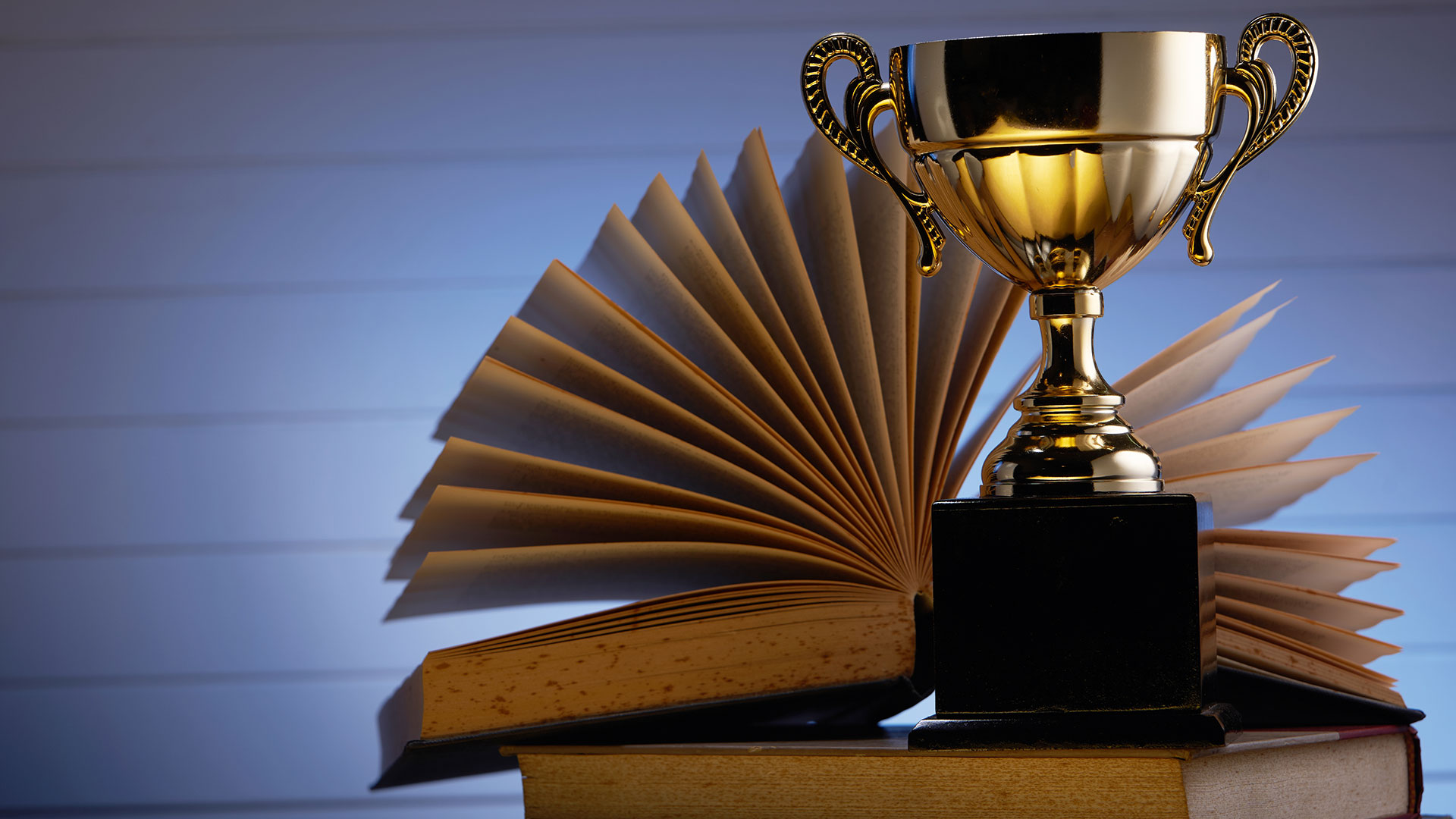
Celebrating Excellence in Writing: The Legacy of Literary Prizes

seaflog.com – Literary prizes have long been a cornerstone of the literary world, serving as beacons that illuminate the path of excellence in writing. These awards, which range from the globally renowned to the niche and regional, play a crucial role in recognizing outstanding literary works, fostering the careers of authors, and shaping the cultural landscape. The legacy of literary prizes is multifaceted, touching upon the realms of art, commerce, and society, and their influence is both profound and enduring.

At their core, literary prizes celebrate the art of writing. They acknowledge the creativity, skill, and dedication required to produce works that resonate with readers, challenge societal norms, and expand the boundaries of literature. By honoring these achievements, literary prizes affirm the value of storytelling and the written word as essential components of human culture. The Nobel Prize in Literature, for example, has since 1901 recognized writers who have created “the most outstanding work in an ideal direction,” reflecting the enduring impact of literature on the human spirit.

Beyond recognition, literary prizes have a significant impact on the literary marketplace. Winning or even being shortlisted for a prestigious award can catapult a book from obscurity to bestseller status, leading to increased readership, translation into multiple languages, and a broader cultural influence. The Man Booker Prize, one of the most prestigious literary awards in the English-speaking world, has transformed the fortunes of many authors, such as Hilary Mantel, whose “Wolf Hall” won the award in 2009, propelling both her and the novel into the international spotlight.

Moreover, literary prizes have the power to shape literary trends and influence the direction of writing. They can highlight emerging genres, themes, and styles, encouraging other writers to explore similar territories. The National Book Awards in the United States, for instance, have recognized a diverse array of voices and perspectives, reflecting the changing face of American literature and encouraging inclusivity and diversity in publishing.

However, the legacy of literary prizes is not without its controversies. Critics argue that awards can sometimes be subjective, reflecting the tastes and biases of the judges rather than the intrinsic merit of the work. There are also concerns about the commercialization of literature, with some prizes being seen as marketing tools rather than genuine celebrations of literary excellence. The debate over the role and relevance of literary prizes is ongoing, reflecting the complex relationship between art, commerce, and recognition.

Despite these debates, the enduring legacy of literary prizes lies in their ability to inspire. They remind aspiring writers of the heights to which they can aspire, and they encourage readers to explore the depth and breadth of literary works available. By celebrating excellence in writing, literary prizes contribute to the cultural conversation, fostering a love of literature and a respect for the craft of writing.

In conclusion, the legacy of literary prizes is a testament to the enduring power of literature. They are more than just awards; they are symbols of the value we place on storytelling, the written word, and the human imagination. As we continue to celebrate and debate these awards, we also celebrate the richness and diversity of literature itself, recognizing that the act of writing—and the act of reading—are fundamental to our understanding of the world and our place within it.

Poems, Essays, and Reflections: Celebrating Mother

seaflog.com – Motherhood is a journey that transcends the boundaries of time and space, weaving through the fabric of human existence with threads of love, sacrifice, and unyielding strength. It is a role that is both universal and uniquely personal, touching the lives of countless individuals in myriad ways. This Mother’s Day, we take a moment to pause, reflect, and celebrate the essence of motherhood through the lenses of poetry, essays, and personal reflections.

Poems: The Rhythm of Motherhood

Poetry, with its lyrical beauty and emotional depth, has long been a vessel for expressing the complexities of motherhood. From the tender verses of “Mother to Son” by Langston Hughes, which speaks of resilience and hope, to the heartfelt lines of “Mothers” by Nikki Giovanni, which celebrates the unbreakable bond between a mother and her child, poetry captures the essence of motherhood in a way that is both universal and deeply personal.

In “The Mother” by Gwendolyn Brooks, the poet explores the pain of infertility, offering a poignant reminder that the journey to motherhood is not always straightforward. These poems, and many others like them, remind us that motherhood is a multifaceted experience, filled with joy, sorrow, and everything in between.

Essays: The Tapestry of Motherhood

Essays provide a broader canvas on which to paint the picture of motherhood. Writers like Maya Angelou, in her essay “Momma, The Dancer,” share intimate stories of their mothers, revealing the layers of strength, vulnerability, and wisdom that define the maternal figure. Angelou’s words dance across the page, painting a vivid picture of her mother’s resilience and grace.

In “Two Ways to Belong in America,” Bharati Mukherjee explores the theme of motherhood through the lens of immigration, highlighting the sacrifices and challenges faced by mothers who leave their homeland to provide a better life for their children. These essays, rich in detail and emotion, offer a glimpse into the diverse experiences of motherhood and the universal quest for belonging and identity.

Reflections: The Mirror of Motherhood

Personal reflections serve as a mirror, reflecting the myriad faces of motherhood. They are the stories we tell ourselves and each other, the memories we cherish, and the lessons we learn along the way. Whether it’s the quiet moments of connection, the challenges overcome, or the simple joys of everyday life, these reflections remind us of the profound impact mothers have on our lives.

In our own reflections, we might consider the ways in which our mothers have shaped us, the values they have instilled in us, and the love they have given us. We might also reflect on our own experiences as mothers, the challenges we face, and the hopes we have for our children. These reflections, though deeply personal, are a testament to the shared human experience of motherhood.

Conclusion

As we celebrate Mother’s Day, let us honor the mothers in our lives through the power of words. Whether through poetry, essays, or personal reflections, let us capture the essence of motherhood in all its complexity and beauty. Let us remember that motherhood is not just about giving birth or raising children; it is about nurturing, loving, and guiding in all the ways that matter most.

In the end, the celebration of motherhood is a celebration of life itself. It is a reminder of the strength, courage, and love that resides within us all. So, let us raise our voices in praise of mothers everywhere, for their unwavering dedication, their boundless love, and their indelible impact on the world.