The Defense Perspective: UFOs and National Security

seaflog.com – The topic of Unidentified Flying Objects (UFOs) has long been shrouded in mystery and speculation. However, recent developments have brought this issue to the forefront of national security concerns, particularly within the defense community. This article explores the defense perspective on UFOs, examining how they are being addressed by the U.S. Department of Defense (DoD) and the implications for national security.

The DoD’s Approach to UFOs

The U.S. Department of Defense has taken significant steps to address the issue of UFOs, recognizing their potential impact on national security. In a recent statement, the DoD announced the establishment of a new UFO tracking group aimed at coordinating efforts to detect, identify, and verify objects of interest in special airspace. The primary goal of this group is to assess and mitigate any related threats, ensuring both flight safety and national security.

Historical Context

The investigation of UFOs is not a new phenomenon. The U.S. military has been involved in various projects to study these phenomena since the early days of the Cold War. Projects such as “Project Sign” in 1947 and the “Advanced Aerospace Threat Identification Program” (AATIP) have been instrumental in collecting and analyzing data on UFO sightings. These efforts have often been shrouded in secrecy, with strict controls on the dissemination of information to the public.

Current Concerns

Recent reports and testimonies have highlighted the growing concern within the defense community about the potential threats posed by UFOs. The DoD has acknowledged that unidentified aerial phenomena (UAPs) pose a clear threat to U.S. national security. This acknowledgment comes from multiple sources, including former military pilots and intelligence officials who have testified before congressional panels.

The Need for Transparency

There is a growing call for increased transparency regarding UFO investigations. Legislators have urged the defense and intelligence communities to declassify more documents related to UFO sightings. This push for transparency is driven by the need to understand the nature of these phenomena and their potential impact on national security.

Conclusion

The defense perspective on UFOs underscores the seriousness with which the U.S. military views these phenomena. The establishment of new tracking groups and the acknowledgment of potential threats indicate a shift towards more proactive measures in dealing with UFOs. As the investigation continues, the need for transparency and public education remains crucial in addressing the concerns and misconceptions surrounding UFOs.
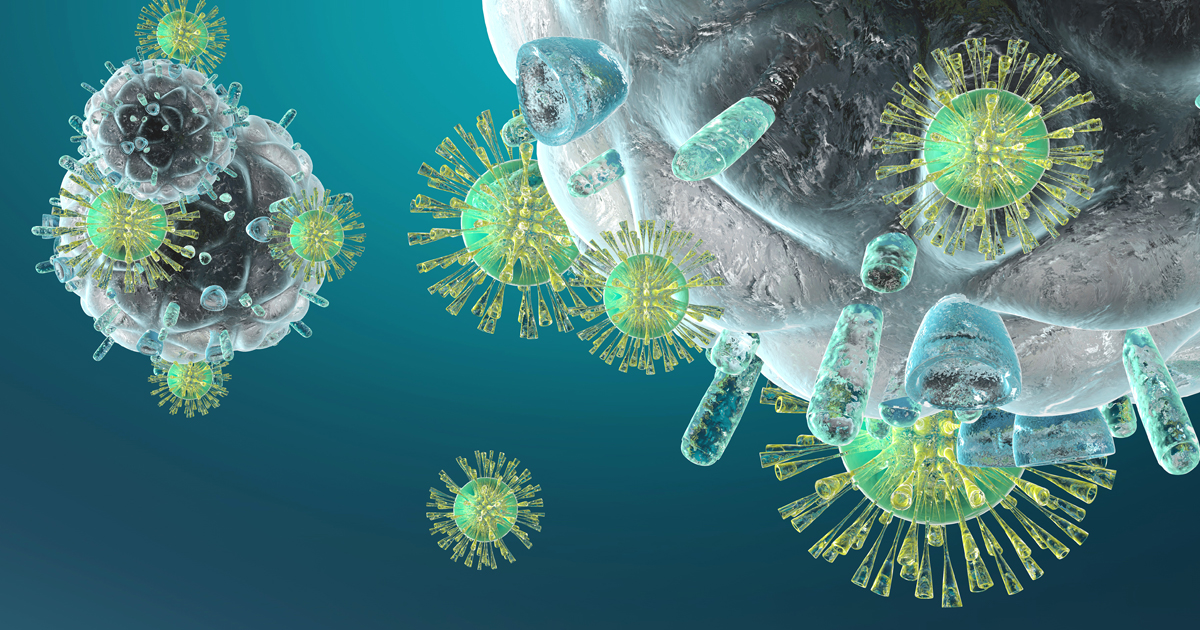
The Body’s Defense Mechanisms: Cancer and the Immune System

seaflog.com – Cancer is a complex group of diseases characterized by the uncontrolled growth and spread of abnormal cells. The immune system, the body’s defense mechanism, plays a crucial role in recognizing and fighting cancer cells. Understanding the intricate relationship between cancer and the immune system is essential for developing effective cancer treatments and improving patient outcomes.

The Immune System: A Guardian Against Cancer

The immune system is a network of cells, tissues, and organs that work together to protect the body from infections and diseases, including cancer. It is composed of various types of white blood cells, such as T cells, B cells, natural killer (NK) cells, and macrophages, which patrol the body to identify and destroy pathogens and abnormal cells.

Recognition of Cancer Cells

The immune system uses a variety of mechanisms to recognize cancer cells. One of the primary methods is through the detection of abnormal proteins, known as neoantigens, which are produced by cancer cells. These neoantigens can trigger an immune response, leading to the activation of T cells and other immune cells that can target and kill the cancer cells.

Immune Surveillance

Immune surveillance is the process by which the immune system continuously monitors the body for signs of cancer. This surveillance system is usually effective at eliminating cancer cells before they can form tumors. However, cancer cells can sometimes evade the immune system’s detection by hiding behind a protective barrier or by disguising themselves as normal cells.

Cancer’s Strategies to Evade the Immune System

Cancer cells have developed several strategies to evade the immune system’s attack. These include:

  • Immunosuppression: Cancer cells can produce substances that suppress the immune response, making it harder for the immune system to recognize and destroy them.
  • Immunoediting: This process involves the cancer cells evolving to become less visible to the immune system, allowing them to survive and proliferate.
  • Immune Evasion: Some cancer cells can express proteins that inhibit the activation of immune cells or block the signals that would normally lead to the destruction of the cancer cells.

Immunotherapy: Harnessing the Immune System to Fight Cancer

Immunotherapy is a type of cancer treatment that helps the immune system recognize and destroy cancer cells more effectively. There are several types of immunotherapy, including:

  • Checkpoint Inhibitors: These drugs block the proteins that cancer cells use to hide from the immune system, allowing T cells to attack the cancer cells.
  • Adoptive Cell Transfer (ACT): This involves collecting immune cells from the patient, modifying them in the laboratory to better recognize and fight cancer, and then infusing them back into the patient.
  • Cancer Vaccines: These vaccines are designed to stimulate the immune system to recognize and attack cancer cells.

The Future of Cancer Immunotherapy

Research in cancer immunotherapy is rapidly advancing, with scientists exploring new ways to enhance the immune system’s ability to fight cancer. Combination therapies that use immunotherapy alongside other treatments, such as chemotherapy, radiation, or targeted therapy, are being investigated to improve treatment efficacy and reduce side effects.

Conclusion

The relationship between cancer and the immune system is a dynamic and complex interplay of attack and evasion. By understanding how the immune system can be harnessed to recognize and destroy cancer cells, researchers are developing innovative treatments that offer new hope for cancer patients. As we continue to unravel the mysteries of the immune system, the future of cancer treatment looks increasingly promising.